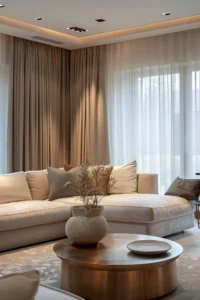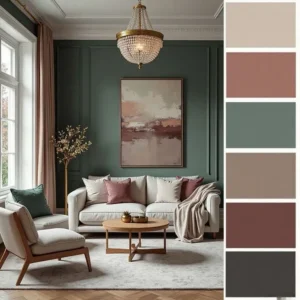
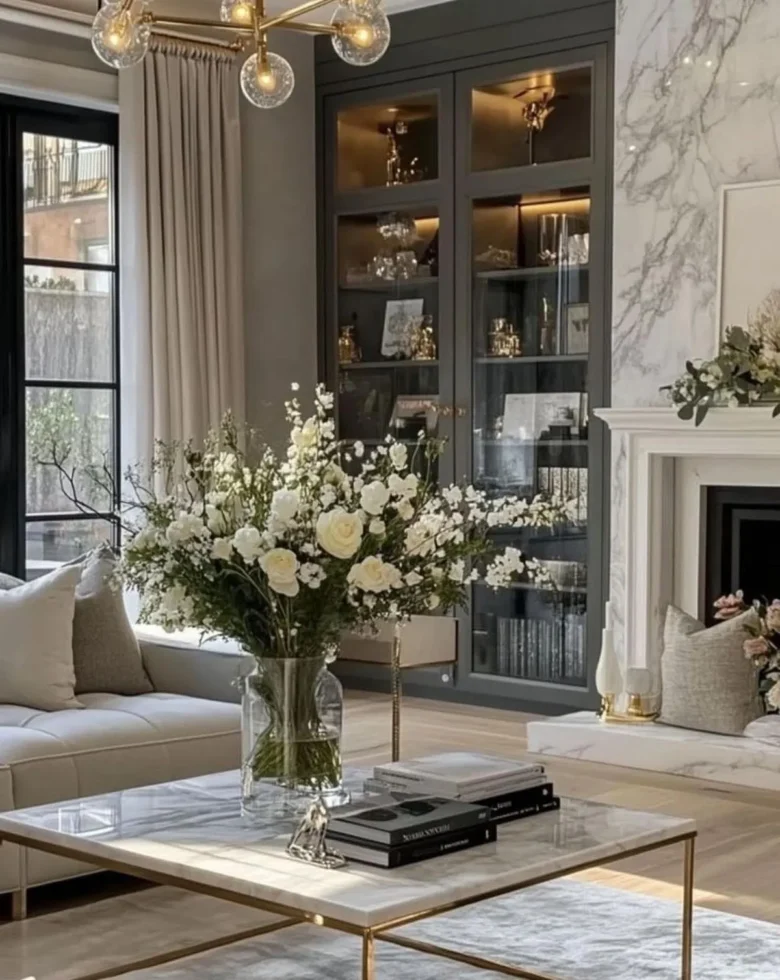
Many individuals aspire to create a home environment that exudes sophistication and an air of luxury, often seeking decorative objects that project an expensive aesthetic without demanding a significant financial outlay. The pursuit of an elegant living space often collides with the reality of strict budget constraints, leading to a common misconception that genuine luxury is exclusively accessible through substantial spending.
This analytical approach aims to demystify that notion by illustrating how the intentional selection and creative application of everyday items can elevate a space to appear both opulent and thoughtfully curated, providing a guide to achieving true sophistication on a budget.
     [ THE DECORATIVE SELECTION MATRIX ]

     MASS-PRODUCED INEXPENSIVE LOOK:      THE INTENTIONAL LUXE CURATION:
     ┌────────────────────────┐         ┌────────────────────────┐
     │ ❌ Plastic Poster Frames│         │  Substantial Wood/Metal│
     │ ❌ Overcrowded Surfaces │    VS   │  Low-Maintenance Travertine│
     │ ❌ Basic Plastic Pots   │         │  Ribbed Glass Shimmer   │
     └────────────────────────┘         └────────────────────────┘
The prevalent idea that aesthetic luxury inherently requires a large investment is a significant barrier for many aspiring home decorators. The objective is to cultivate a living area that feels mature, refined, and distinctly personal, avoiding the pitfalls of sterile minimalism or excessive clutter. Contemporary design paradigms increasingly emphasize that a truly “expensive” appearance stems not from the sheer volume of possessions but from careful curation and a discerning eye for detail.
The Philosophy of Curation Over Accumulation
Crafting a high-end environment necessitates a strategic approach, particularly when styling smaller living areas like apartments, where every decorative choice carries a magnified impact. In these compact settings, the utility and visual weight of each item become critical considerations; decor must be versatile, space-efficient, and visually rich to contribute meaningfully to the desired aesthetic. The challenge lies in integrating pieces that resonate with a refined sensibility while also serving practical purposes within a limited footprint.
This analytical exploration introduces principles of “luxury without excess,” a philosophy centered on achieving high-end looks through subtle thematic coherence, streamlined design, and modernized textures. It champions a design ethos where less is often more, and where the perceived value of an object is derived more from its placement and integration into the overall scheme than from its original price tag. Rather than promoting extravagance, the focus shifts to creating an environment that feels intentionally designed and harmonious, thereby conveying an inherent sense of quality and sophistication without opulent price tags.
   [ THE INTENTIONAL CURATION ENVELOPE ]

   =============================================
   [ LARGE-SCALE ART APERTURE ] (Matted Frame)   <── Dominant Architectural Focus

   =============================================
   [ SCULPTURAL SURFACE RESET ] (Stone Tray)     <── Groups Objects, Cuts Noise

   ┌─────────────────────────────────────────┐
   │ [Desaturated Palette]  [Ribbed Glass]   │ <── Softens Light and Shadows
   └─────────────────────────────────────────┘
Community discussions frequently highlight a shared concern about avoiding a juvenile or overly themed appearance, with preferences leaning towards subtle theming, cleaner lines, and updated textures to ensure a space feels mature rather than sterile. Many emphasize desaturated palettes and consciously avoid overcrowded surfaces, noting that uncluttered rooms intrinsically convey a more grown-up sensibility.
Furthermore, there is a strong desire to select decor that signifies elevation rather than appearing inexpensive, with considerable attention paid to the quality of items such as art, frames, and surfaces, consciously avoiding generic or mass-produced aesthetics. This discerning approach underscores a commitment to balancing personal expression with design restraint, advocating for fewer, yet superior, pieces to achieve a polished outcome.
What Are the 7 Everyday Objects That Secretly Elevate Your Home Decor?
Achieving a sophisticated aesthetic within a budget requires a strategic approach, focusing on specific decorative objects that convey luxury through their material weight, surface texture, and visual impact. The core principle lies in curated selection and thoughtful placement, emphasizing quality over quantity to create an intentional and mature environment.
1. Sculptural Stone or Ceramic Trays
Sculptural stone or ceramic trays are indispensable for creating a high-end feel across various rooms. These items introduce intriguing textures and provide a defined space for organizing smaller objects, thereby mitigating clutter.
- The Bathroom: A travertine or marble tray instantly elevates basic soap dispensers and lotions into a boutique hotel display.
- The Entryway: Positioned on a console, it organizes keys and mail stylishly, keeping the surface organized.
The substantial physical weight and natural imperfections of stone or ceramic trays communicate a sense of permanence and quality, subtly suggesting a more expensive decorative choice without the associated cost. This aligns perfectly with the desire for low-maintenance elegance and a mature aesthetic.
   [ THE ARCHITECTURAL LAYER STACK ]

   ┌────────────────────────────────────────┐
   │ LAYER 1: Heavy Travertine / Stone      │ <── Adds Physical Weight & Permanence
   ├────────────────────────────────────────┤
   │ LAYER 2: Ribbed Glass / Matte Ceramics  │ <── Creates Soft Dynamic Light Play
   ├────────────────────────────────────────┤
   │ LAYER 3: Luxe Neutrals / Heavy Knits   │ <── Supplies Tactile Warmth & Comfort
   └────────────────────────────────────────┘
2. Textured Glassware and Ribbed Vases
Textured glassware and ribbed vases offer an accessible means to infuse a space with visual interest and light play. Ribbed glass, in particular, catches and refracts light beautifully, serving as an affordable sculptural element that adds depth and dynamism to shelves, mantels, or dining tables.
A collection of ribbed glass vases of varying heights, even when completely empty, contributes to a sophisticated display. When filled with simple, organic greenery, they create an understated yet elegant focal point. These items speak directly to the trend of updated textures and the desire for decor that feels refined rather than juvenile, enhancing the ambient light and adding a subtle decorative layer without overcrowding surfaces.
3. Large-Scale Art Prints with Substantial Frames
Large-scale art prints paired with sturdy frames provide a significant visual impact, transforming blank walls into sophisticated focal points. The key is selecting prints with a commanding presence and ensuring the frames are substantial, avoiding the common plastic poster frame look that instantly detracts from an elevated aesthetic.
Opting for large format prints—even if they are budget-friendly digital downloads printed locally—and investing slightly more in a substantial wood or metal frame creates an impression of bespoke, gallery-curated art. This strategy is uniquely effective in smaller living spaces or apartments, where a single large piece can visually expand the room and inject personality, reflecting a desire to balance personal expression with decor restraint.
4. Oversized or Decoratively Framed Mirrors
Mirrors, especially oversized or decoratively framed ones, are powerful tools for enhancing both the perceived size and brightness of a room. A large mirror placed strategically can dramatically expand a small apartment, reflecting light and creating an illusion of depth, making the space feel more open and luxurious.
Decorative frames, whether ornate gold or sleek, minimalist black, elevate the mirror itself into a standalone piece of art. This serves as an immediate focal point that draws the eye and adds a touch of opulence. This design choice not only addresses the practical need for reflections but also satisfies the aesthetic desire for sophisticated elements that contribute to a polished interior, particularly in environments where maximizing spatial perception is crucial.
   [ THE MIRROR MIRAGE EFFECT ]

   ❌ SMALL DISCONNECTED MIRROR:      O OVERSIZED STRATEGIC MIRROR:
   ┌────────────────────────┐        ┌────────────────────────┐
   │    ________            │   VS   │  ____________________  │
   │   | Small  |           │        │  |                    | │ <── Reflects Window Light
   │   |________|           │        │  |   Deep Room Vista  | │
   │                        │        │  |____________________| │
   └────────────────────────┘        └────────────────────────┘
5. Luxe, Multi-Textured Textiles
Luxe textiles, such as heavyweight throws and cushions, are essential for introducing warmth, comfort, and a layered, grown-up ambiance. High-quality fabrics in soft neutrals or rich jewel tones, strategically draped over sofas or placed on armchairs, instantly elevate the tactile experience of a room.
These textiles contribute significantly to a layered look, a key component of refined interiors, without requiring expensive furniture upgrades. The selection of materials like faux fur, velvet, or chunky wool knits in a cohesive color palette ensures that these additions feel intentional and luxurious, directly addressing the design interest in textured fabrics and seasonal layering to create a mature and inviting space.
6. Elegant Ceramic or Metal Planters
Elegant ceramic or metal planters, particularly when housing simple greenery, are an effective way to introduce natural elements into a home in a sophisticated manner. Moving beyond basic plastic nursery pots, ceramic or metal planters with clean lines or unique textures instantly upgrade the appearance of any plant, from a small succulent to a large fiddle-leaf fig.
This approach not only brings the benefits of indoor plants but also integrates them as deliberate decorative statements, aligning perfectly with the trend of utilizing plants as an elevated decor category. The choice of planter communicates attention to detail and a desire for an uncluttered yet refreshing interior, contributing to a more mature and serene environment.
7. Premium Desk or Vanity Organizers
Elegant desk or vanity organizers, crafted from premium materials such as heavy acrylic, metal, or natural stone, are vital for maintaining a “boutique feel” and enabling effortless weekly surface resets. These items, ranging from sleek pen holders to multi-compartment cosmetic trays, transform everyday clutter into an organized, visually pleasing arrangement.
By providing designated, stylish homes for essentials—such as makeup, stationery, or jewelry—they contribute to an overall sense of order and sophistication. This practical elegance not only helps you maintain an organized living space but also reinforces the aesthetic of intentionality and care, enhancing the perception of a meticulously curated interior and fulfilling the desire for functional yet beautiful decor that actively reduces visual noise.
Comparative Value and Placement Framework
To execute these budget-friendly luxury enhancements with complete precision, utilize this structured placement matrix to optimize where and how you deploy these objects:
Decor Impact and Optimization Guide
| Decorative Object | High-End Material Substitute | Strategic Placement Zone | Perceived Value Multiplier | Visual Purpose |
| Sculptural Trays | Travertine, unpolished marble, heavy ceramic. | Entryway console, coffee table, bathroom vanity. | High (Conveys heavy weight and permanence). | Corrals small loose items; eliminates surface clutter. |
| Ribbed Vases | Fluted glassware, textured crystal alternatives. | Fireplace mantels, open kitchen shelving, dining center. | Medium (Refracts and catches light beautifully). | Adds architectural depth and light movement to shadows. |
| Large-Scale Art | Oversized matte prints in heavy wood/metal frames. | Primary living room wall, dining room boundary. | High (Mimics expensive custom gallery commissions). | Anchors a room; eliminates the need for multiple small frames. |
| Oversized Mirrors | Ornate gilded borders or ultra-thin matte black metal. | Opposite primary windows, dark narrow hallways. | High (Dramatically opens floor plan scale). | Bounces natural daylight deep into compact layouts. |
| Luxe Textiles | Heavyweight linen blends, chunky knits, velvet. | Sofa corners, reading armchairs, bedding layers. | Medium (Softens rigid architectural lines). | Adds physical comfort, warmth, and high-end texture. |
| Elegant Planters | Matte concrete, brushed brass, textured terracotta. | Window sills, floor corners, side table surfaces. | Medium (Upgrades standard organic greenery). | Transforms plain indoor houseplants into art pieces. |
| Vanity Organizers | Crystal-clear thick acrylic, stone resin, solid brass. | Home office desk, master bathroom counter. | High (Creates an upscale boutique hotel ambiance). | Reduces visual noise; streamlines daily surface cleaning. |
Color Balancing with the 60-30-10 Rule
When integrating these seven decorative items into your home, applying the 60-30-10 rule for color palette selection ensures a cohesive and refined interior design that never feels accidental.
   [ THE INTERIOR COLOR COMPOSITION RULE ]

   ┌────────────────────────────────────────┐
   │ 60% BACKGROUND: Neutral Walls & Floors  │ <── Establishes an Airy Canvas
   ├────────────────────────────────────────┤
   │ 30% SECONDARY: Curtains, Rugs, Large Art│ <── Introduces Texture & Tone
   ├────────────────────────────────────────┤
   │ 10% ACCENT: Metal Planters, Stone Trays │ <── Delivers Polished Luxury Pops
   └────────────────────────────────────────┘
- The 60% Foundation: This is the dominant color of the room, typically represented by your walls, large flooring areas, or main rugs. To achieve a quiet luxury aesthetic, keep this foundation rooted in soft, desaturated neutrals like warm alabaster, pale greige, or soft chalky grays.
- The 30% Secondary Layer: This layer includes your larger furniture pieces, curtains, and large-scale art frames. Use this portion of the palette to introduce depth through variations of your base tone—such as rich taupe, muted camel, or charcoal.
- The 10% Accent Pop: This is where your decorative objects shine. Use your sculptural stone trays, ribbed glassware, metal planters, and vanity organizers to introduce high-contrast accents. This can be achieved through brushed brass, matte black, or rich jewel-toned textiles. By keeping these accents restricted to just 10% of the room’s visual weight, they pop with intention and look incredibly expensive.
Frequently Asked Questions
What is the primary misconception regarding high-end home decor?
The primary misconception is that achieving a luxurious, expensive-looking home requires a massive financial investment. In reality, high-end interior design is rooted in restraint, strategic material choices, and intentional curation rather than the price tag of individual items.
How does ‘curation over quantity’ help save money on interior design?
Curation over quantity focuses your budget on a few highly impactful, visually rich pieces instead of scattering dozens of cheap, mass-produced items throughout a room. This restraint creates clean lines and a mature, uncluttered environment, which naturally feels more exclusive and expensive.
Why are large-scale art frames better than a gallery wall of smaller frames?
A single, large-scale piece of art with a substantial wood or metal frame creates a powerful architectural focal point that grounds a room. A collection of small, inexpensive frames often creates visual clutter, making a wall look busy, fragmented, and less mature.
What makes travertine or stone trays look more expensive than plastic alternatives?
Natural stone carries inherent physical weight, cold tactile temperature, and unique organic imperfections that cannot be accurately replicated by synthetic plastics. These characteristics signal permanence, craftsmanship, and luxury, elevating any object placed on top of them.
How do ribbed glass vases maximize the lighting entry in small rooms?
Ribbed or fluted glassware features vertical ridges that catch, bend, and reflect natural light across a surface. This creates soft, dynamic shadows and highlights that add depth to dark shelving or tables, making the room feel bright and visually interesting even without fresh flowers.
Can I use ready-made, inexpensive curtain panels to look like custom drapes?
Yes. You can elevate ready-made, store-bought curtain panels by purchasing them slightly long and hemming them precisely to “kiss the floor” or hover 0.5 inches above it. Hanging the curtain rod high near the ceiling line and wide past the window frame completes the high-end look.
Conclusion
Cultivating an expensive-looking, sophisticated home does not demand an extravagant lifestyle budget. By strategically choosing and thoughtfully placing everyday objects like sculptural stone trays, fluted glassware, large-scale framed art, oversized mirrors, rich layered textiles, elegant planters, and premium vanity organizers, you can effortlessly transform any living space.
This approach honors the philosophy of “luxury without excess,” proving that an educated eye for detail, texture, and spatial restraint is far more valuable than a high price tag. Transitioning from simple decorating to intentional curation allows you to build a mature, peaceful sanctuary that feels deeply personalized and beautifully refined.
The Budget Luxury Execution Checklist:
- Purge Surface Clutter: Clear off overcrowded tabletops to instantly give your rooms an expensive, airy feel.
- Invest in Heavy Trays: Use travertine or thick ceramic trays to organize cosmetics, soaps, and daily entryway essentials.
- Go Big on Wall Art: Swap out multiple small pictures for one large, commandingly framed art print to ground your room.
- Position Mirrors for Light: Hang a large, framed mirror directly opposite your primary window to visually double your floor plan.
- Upgrade Plant Pots: Discard plastic nursery pots and house your plants in clean-lined matte ceramic or warm metal planters.
- Apply the 60-30-10 Rule: Keep your walls neutral (60%), match curtains to secondary tones (30%), and use your new decor objects as high-end accent pops (10%).