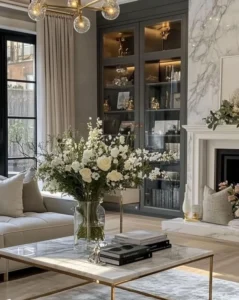
The aspiration for luxurious, sophisticated interiors often confronts the practical constraints of small apartment living, leading many to believe that elaborate window treatments are best avoided. However, this common dilemma—how to achieve a high-end, layered aesthetic without overwhelming a compact space—can be elegantly resolved through the discerning application of the quiet luxury design philosophy.
This approach, which emphasizes refined taste, enduring quality, and subtle sophistication over overt ostentation, is particularly resonant for mature individuals seeking to cultivate a grown-up, polished sanctuary.
     [ THE WINDOW TRANSFORMATION MATRIX ]

     THE INFORMAL "DORM-STYLE" WINDOW:     THE QUIET LUXURY WINDOW:
     ┌────────────────────────┐         ┌────────────────────────┐
     │ ❌ Sagging Tension Rod │         │  Elongated Ceiling Rod │
     │ ❌ Skimpy Single Panel │    VS   │  High-Fullness Ripple  │
     │ ❌ Floor-Pooling Bulk  │         │  Tailored Floor Kiss   │
     └────────────────────────┘         └────────────────────────┘
Layered curtains, when thoughtfully executed, serve as a cornerstone of this aesthetic, transforming a merely functional dwelling into an intentional and visually rich home. This breaks away from standard minimalist rules that often sacrifice warmth and depth for basic simplicity.
Why Layered Curtains are a Must-Have for Small Apartment Elegance
Central to the quiet luxury ethos is the understanding that true elegance resides in careful curation, not accumulation. Layered curtains perfectly embody this principle by contributing warmth, textural interest, and a palpable sense of architectural completion that single panels simply cannot provide.
Community insights consistently highlight the desire for window treatments that appear tailored and bespoke, rather than informal or flimsy alternatives. By integrating different fabrics and weights, these installations create a visual depth that enhances the room’s character without introducing chaos or clutter, defying the notion that small rooms must adhere to stark minimalism.
   [ THE LIGHT-FILTERING ENVELOPE ]

   =============================================
   [ OUTER EXTENDED PROFILE ] (Linen Blend)     <── Tailored Structural Frame

   =============================================
   [ INNER FOUNDATION LAYER ] (Voile Sheer)     <── Softens Ambient Daytime Light

   ┌─────────────────────────────────────────┐
   │ [High Placement Mount]   [Floor Kiss]   │ <── Vertical Extension Anchors
   └─────────────────────────────────────────┘
The Light and Privacy Equilibrium
A significant functional benefit of layered curtains, which aligns seamlessly with the considerations of small apartment dwellers, is their unparalleled versatility in managing light and privacy. This balance is a frequent pain point in urban living, where close proximity to neighbors necessitates privacy while natural light remains a premium commodity.
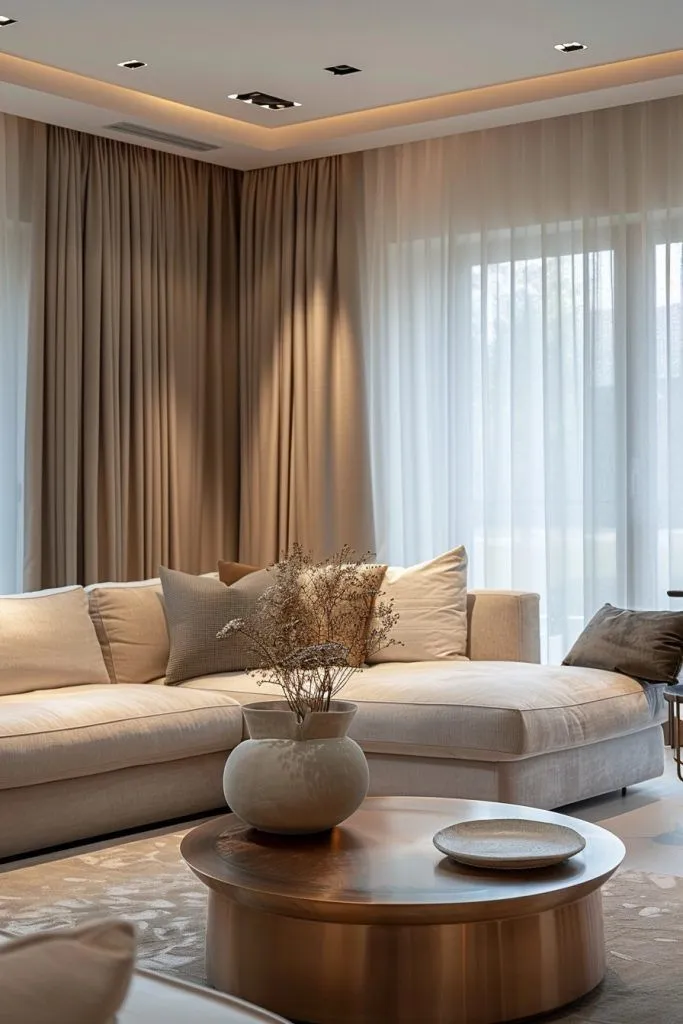
The strategic pairing of lightweight sheers with more substantial outer panels offers a dynamic solution. This allows occupants to filter harsh sunlight into a soft, diffused glow during the day while ensuring complete privacy and light control at night. This intelligent design choice not only promotes a comfortable living environment but also contributes to the airiness of the room, preventing the heavy, enclosed feeling that can arise from single, opaque window coverings.
How to Master Layered Curtains for Small Spaces Without the Bulk
Achieving a sophisticated, layered curtain aesthetic in a compact apartment requires a strategic approach that prioritizes visual lightness and tailored proportions over sheer volume. The initial step involves carefully selecting appropriate fabrics that contribute depth without heaviness.
1. Structural Stratification of Textures
For inner layers, lightweight materials such as linen, cotton, or voile sheers are ideal, allowing natural light to filter through while providing a foundational texture. These transparent or semi-transparent fabrics establish a sense of airiness that is essential in smaller spaces, preventing the windows from feeling visually blocked.
   [ THE TEXTILE STRATIFICATION MATRIX ]

                 /\
                /  \     OUTER PANEL: Linen Blend, Light Cotton, or Fine Velvet
               /────\
              /      \   INNER SHEER: Voile, Open-Weave Linen, or Soft Cotton
             /────────\
            /          \ BASELINE FORM: Tailored Fullness (2x to 3x Width Ratio)
           └────────────┘
Outer panels can introduce a slightly heavier texture, incorporating materials like a light-weave cotton, a linen blend, or even a very fine velvet, chosen for their drape and ability to add a subtle tactile quality. This stratification of textures creates visual interest and a perception of luxury without overwhelming the room.
Moreover, considering seasonal textile rotation, where lighter outer panels are used in warmer months and subtly denser ones in cooler periods, allows for adaptable elegance and reinforces the “maturity without heaviness” principle. This method avoids the visual bulk often associated with traditional heavy drapes, instead fostering a refined and adaptable window dressing solution for constrained environments.
2. Rod Placement Physics for Perceived Scale
Strategic rod placement is a pivotal technique for creating an illusion of larger windows and higher ceilings, a widely recognized design principle for maximizing small interiors.
   [ THE HEIGHT EXTENSION ILLUSION ]

   ❌ LOW ARCHITECTURAL MOUNT:        O HIGH CEILING-LINE MOUNT:
   ┌────────────────────────┐        ┌────────────────────────┐
   │    ________            │   VS   │  ====================  │ <── Rod Near Ceiling
   │   | Window |           │        │  |    ________      |  │
   │   |________|           │        │  |   | Window |     |  │
   │                        │        │  │   |________|     │  │
   └────────────────────────┘        └────────────────────────┘
- Vertical Extension: Mounting the rod approximately 4 to 6 inches above the window frame—or even directly below the ceiling line if space permits—draws the eye upward, significantly enhancing the perceived height of the room.
- Horizontal Expansion: The curtain rod should extend beyond the window frame by at least 6 to 12 inches on each side. This ensures that when the curtains are pulled open, they stack neatly against the wall and do not obscure the window glass. This elevated and extended placement maximizes the amount of natural light entering the room and ensures that the entire window opening is uncovered, contributing to an expansive feel.
Technical Guides: Placement, Fullness, and Dimensions
To achieve a flawless, custom-tailored appearance, use these precise dimensional guidelines to calculate your window requirements:
Rod Placement for Perceived Height and Width
| Placement Area | Recommendation for Small Spaces | Architectural Purpose |
| Above Window Frame | 4 to 6 inches (or directly below the ceiling line) | Draws the eye vertically; creates the illusion of towering ceiling heights. |
| Beyond Window Frame (Sides) | 6 to 12 inches on each side of the casing | Allows panels to stack clear of the glass; maximizes natural daylight penetration. |
Curtain Fullness Ratio Guide
| Desired Effect | Required Panel Width (vs. Window Width) | Spatial Impression in Small Apartments |
| Minimalist Flat Lay | $1.0\times$ to $1.25\times$ window frame width | Clean, tailored, but can look sparse if textiles are ultra-thin. |
| Standard Ripple | $1.5\times$ to $2.0\times$ window frame width | Balanced, classic fold; offers elegant movement without adding unnecessary bulk. |
| Luxurious Fullness | $2.0\times$ to $3.0\times$ window frame width | Rich, dramatic columns of fabric; best for lightweight voiles and linens. |
Rental-Friendly Architectural Hacks for Layering
For apartment dwellers and renters, implementing layered curtain systems without causing permanent wall damage often requires innovative solutions. Achieving a double-rod effect necessary for layering can be accomplished cleanly without forfeiting your security deposit.
   [ THE NON-DAMAGING DOUBLE TRACK SYSTEM ]

   ┌────────────────────────────────────────┐
   │ WALL HOOK: Heavy-Duty Adhesive / Stud │
   ├────────────────────────────────────────┤
   │ FRONT ELEMENT: Decorative Outer Rod    │ ◄── Holds Drapery (Linen Blend)
   ├────────────────────────────────────────┤
   │ BACK ELEMENT: Interior Tension Track   │ ◄── Holds Core Sheer (Voile Layer)
   └────────────────────────────────────────┘
- The Tension Rod Foundation: Tension rods offer a non-invasive option for lighter sheers or single panels, fitting securely within the inner window casing without the need for screws.
- The Hybrid Bracket Solution: Install a single, premium decorative rod using heavy-duty adhesive hooks or non-damaging picture hangers to carry the outer fashion panels. Then, place a second, lightweight tension rod directly behind it inside the window frame window casing for the sheer layer.
- Adhesive Engineering: Clear, heavy-duty utility hooks can be mounted discreetly to support lightweight sheer panels, allowing for a luxurious layered look without leaving structural scars on your rental walls.
Budget Customization & Color Unification Strategies
Achieving budget-friendly elegance involves carefully combining accessible store-bought options with strategic customization.
1. The Tailored Length Blueprint
Inexpensive, ready-made curtain panels can be transformed into a custom look by simply re-hemming them to the precise length for your walls. Regarding length, curtains should either perfectly “kiss the floor” or hover approximately 0.5 inches above it, creating a clean, polished line that avoids tripping hazards and minimizes dust accumulation.
   [ THE FLOOR CASING TERMINATION LINE ]

   ❌ POOLING DRAPE BULK:             O THE CLEAN FLOOR KISS:
   ┌────────────────────────┐        ┌────────────────────────┐
   │ \ \ \ \ \ \ \ \ \ \ \  │   VS   │ |  |  |  |  |  |  |  | │
   │ (Dust-Catching Puddle) │        │ ────────────────────── │ <── 0.5" Above Floor Line
   └────────────────────────┘        └────────────────────────┘
Avoiding oversized or excessively long panels is crucial, as pooling fabric breaks the vertical line of the wall, visually shortening the room and making it feel confined. Adding a decorative trim, an iron-on ribbon, or a subtle contrasting band to the leading edge of a basic panel can mimic high-end detailing at a fraction of the cost.
2. High-Yield Budget Allocation
When considering where to allocate your decorating funds, it is advisable to splurge slightly on the outer, more visible panels for their superior weave and drape, while saving on the inner sheer layers, which can be sourced economically. This approach delivers a luxurious aesthetic without incurring significant expenditures, aligning perfectly with the principle of quiet luxury through thoughtful curation.
3. The 60-30-10 Color Integration Rule
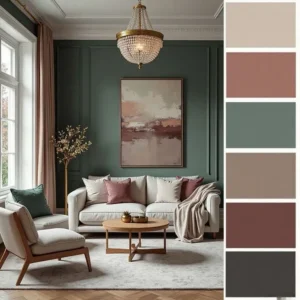
Integrating the 60-30-10 rule for color palette selection into your curtain choices ensures a cohesive and refined interior design. Curtains can function as the dominant background (60%), secondary support (30%), or a targeted accent statement (10%), contributing to the overall harmony of the room.
   [ THE DESIGN COMPOSITION RULE ]

   ┌────────────────────────────────────────┐
   │ 60% DOMINANT: Calm Neutral Walls & Rug │
   ├────────────────────────────────────────┤
   │ 30% SECONDARY: Textures Muted Curtains │
   ├────────────────────────────────────────┤
   │ 10% ACCENT: Polished Metal / Ceramics  │
   └────────────────────────────────────────┘
For a quiet luxury aesthetic, it is best to avoid loud, busy prints, opting instead for plain, textured, or softly heathered panels that complement the existing decor. Neutral tones like soft grays, warm beiges, pale taupes, or muted alabaster whites are excellent choices. They provide a calming backdrop and allow other architectural elements in the room to stand out without visual competition.
Frequently Asked Questions
How do layered curtains contribute to a ‘quiet luxury’ aesthetic in small apartments?
Layered curtains enhance quiet luxury by adding visual depth, warmth, and a sophisticated, tailored finish to a room. They allow for subtle textural play and light management, creating an intentional and refined atmosphere without overwhelming a compact space, which perfectly aligns with the philosophy of prioritizing quality over quantity.
Can layered curtains make a small room feel larger?
Yes, when installed strategically. Hanging your curtain rods high above the window frame (near the ceiling line) and extending them wider than the window casing creates an illusion of greater ceiling height and window breadth. This makes the entire room appear more spacious, grand, and airy.
What is the main benefit of layering sheers with opaque curtains in a small apartment?
The main benefit is achieving an optimal balance between privacy and natural light. Sheers allow diffused daylight to enter while maintaining complete daytime privacy, whereas opaque outer panels provide total privacy and light blockage when needed, offering versatile ambiance control throughout the day.
Can I use blackout curtains in a layered system in a small apartment?
Yes, blackout curtains can be seamlessly incorporated into a layered system. It is recommended to use them as your outer panel, paired with a lightweight, flowing sheer inner layer. Choose blackout panels in a soft neutral color or with a fine texture to minimize visual heaviness, and ensure they are hemmed perfectly to avoid pooling.
How can I achieve a custom look for my curtains on a rental budget?
Focus on tailoring store-bought panels. Hemming them to precisely “kiss the floor” creates an instant custom finish. Adding simple enhancements like iron-on trim, decorative edge ribbons, or using fabric glue to create a elegant two-tone effect elevates their appearance significantly at a low cost.
What is the best way to clean layered curtains without taking them down often?
For routine maintenance, gently vacuum your curtains using an upholstery attachment or use a sticky lint roller to remove dust and pet hair. For deeper cleaning and wrinkle removal, steam the curtains directly in place. This refreshes the fabric without requiring you to dismantle the layered rod setup.
Conclusion
Achieving a quiet luxury aesthetic with layered curtains in a small apartment is not only possible but highly recommended. By strategically selecting lightweight fabrics, ensuring proper rod placement, and paying meticulous attention to tailored proportions, renters and homeowners alike can transform their compact spaces into sophisticated and functional havens. This approach counters the idea that small rooms must sacrifice elegance for simplicity, proving that thoughtful layering can enhance both the visual appeal and livability of any apartment home.
Window Curation Checklist:
- Extend the Hanging Rod: Mount your window hardware 4 to 6 inches above the frame and 6 to 12 inches wider on the sides.
- Layer Thin Over Denser Textures: Pair transparent voile or linen sheers with a slightly weightier linen blend or fine velvet outer panel.
- Enforce Tailored Hemlines: Hem your drapery panels to hang exactly 0.5 inches above the floor to avoid a messy, pooling footprint.
- Calculate Fullness Wisely: Target a panel width width ratio of $2.0\times$ to $3.0\times$ your window width to achieve soft, elegant ripples without bulk.
- Deploy Non-Damaging Rails: Utilize interior tension rods combined with high-weight adhesive wall hooks to implement double-layer tracks safely.
- Unify the Color Palette: Stick to desaturated, soft neutral color families (taupe, cream, greige) to keep your room expansive and calm.