For the discerning homeowner, the desire for an abundance of natural light is rarely just about brightness. It is a nuanced calculation balancing internal illumination with structural privacy, thermal comfort, and architectural integrity.
A common dilemma in high-end properties is determining how to drastically improve daylighting without compromising the sophisticated ambiance, personal seclusion, or energy efficiency intrinsic to a luxury residence.
     [ THE DAYLIGHT DEVELOPMENT ARCHITECTURE ]

     SUPERFICIAL DECOR FIXES:            STRUCTURAL LIGHT LEVERS:
     ┌────────────────────────┐         ┌────────────────────────┐
     │ ❌ White Paint Only     │         │  Enlarged Openings     │
     │ ❌ Extra Table Lamps   │    VS   │  Top-Down Skylights    │
     │ ❌ Superficial Mirrors │         │  High-Performance Low-E│
     └────────────────────────┘         └────────────────────────┘
While superficial adjustments like light-colored paint and reflective surfaces offer minor improvements, true spatial transformation requires structural interventions. Modifying the physical footprint of your fenestration fundamentals alters how a home interacts with diurnal and seasonal cycles, generating a superior return on investment (ROI) in both property valuation and daily well-being.
The Strategic Choice: Advanced Glazing and Environmental Control
Flooding a luxury home with natural light without a calculation of solar orientation can introduce major comfort challenges: excessive glare, unwanted heat gain, and a clinical, overexposed atmosphere. Achieving an elegant, mature environment requires integrating dynamic architectural levers with high-performance materials.
- Thermal Performance & Low-E Glazing: Expansive glass installations must utilize low-emissivity (Low-E) double or triple glazing. These advanced coatings reflect infrared heat while letting visible light pass through, stabilizing the home’s interior envelope and lowering energy bills.
- The Transparency Tax: Standard insect or security screens can inadvertently block up to 70% of visible light transmission. When engineering high-impact light projects, specify high-transparency, premium performance mesh materials to minimize visual obstruction.
- Dynamic Shade Systems: Pair structural enhancements with automated, integrated shading lines or smart glass partitions. This guarantees absolute privacy and effortless glare control at the touch of a button.
Detailed Cost-Benefit Comparison for Elegant Natural Light Solutions
Choosing whether to enlarge an existing opening, add top-down apertures, or install sweeping glass walls depends on your home’s structural realities and privacy needs.
   [ THE STRUCTURAL PENETRATION ENVELOPE ]

   =============================================
   [ Skylight / Solar Tube ]                   <── Top-Down Ambient Source

   =============================================
   [ High-Wall Clerestory Window ]             <── Privacy-Preserved Baseline

   ┌─────────────────────────────────────────┐
   │ [Enlarged Window]  [Floor-to-Ceiling]   │ <── Eye-Level Landscape Connection
   └─────────────────────────────────────────┘
1. Enlarging Existing Windows
Expanding your current window footprints is the most direct way to capture sweeping outdoor views and maximize morning or afternoon light tracking.
- The Investment Reality: This process alters the home’s facade and load-bearing dynamics, requiring structural lintel modifications and precision wall reconstruction.
- Best Suited For: Living areas facing south or east where direct, horizontal sunlight can safely expand the perceived volume of the room.
2. Adding Top-Down Skylights
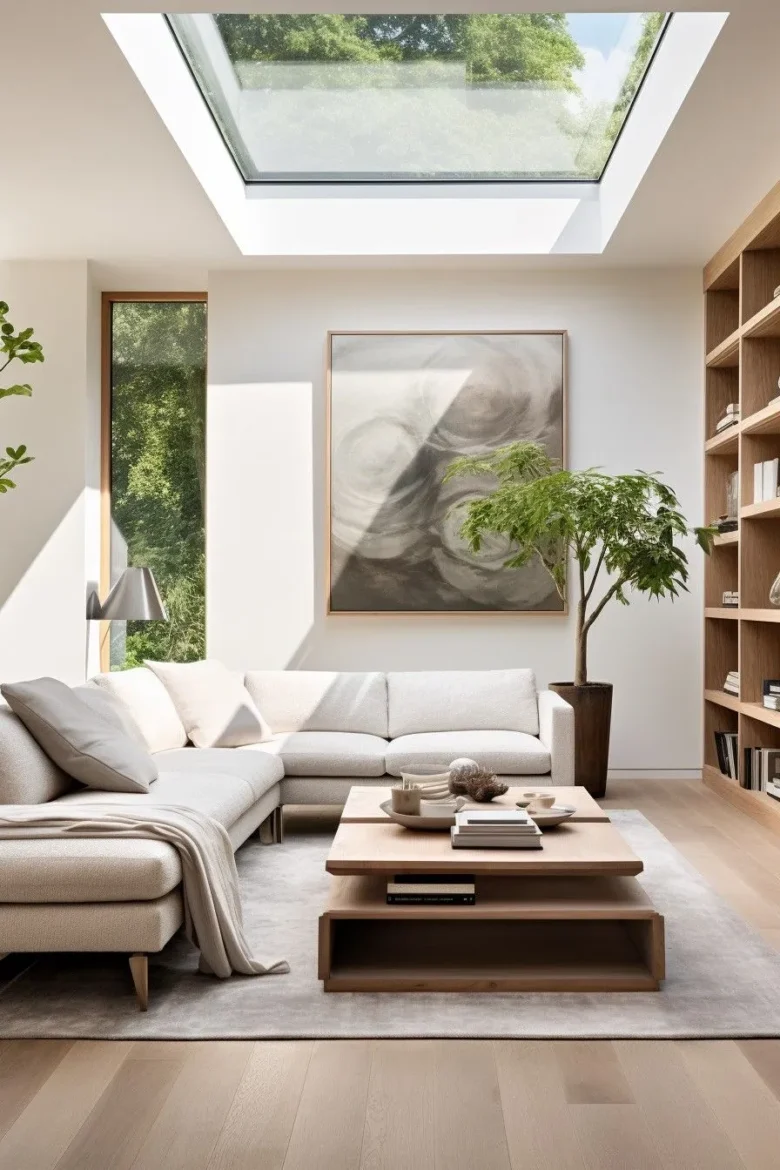
Skylights introduce an completely different dimension of light by capturing overhead solar tracks, making them the ultimate solution for illuminating dark core areas.
- The Privacy Benefit: Because they face the sky, skylights naturally preserve your complete privacy from neighbors, making them perfect for compact urban zones.
- Technical Focus: Professional placement via solar studies and the use of insulated, flashing-protected glazing are essential to completely prevent leaks and minimize summer solar heat spikes.
3. Installing Floor-to-Ceiling Glass Doors
Expansive sliding or bifold door systems blur the boundary between indoor spaces and the surrounding landscape, providing an immediate sense of luxury.
- The Structural Scope: This intervention demands heavy-duty hardware to support massive glass weights, alongside reinforced security profiles.
- Privacy Management: To combat exposure, pair these installations with strategic exterior landscaping, architectural screening, or elegant, light-filtering sheer drapery.
Comparative Analysis of Natural Light Interventions
To maximize your aesthetic return and select the perfect architectural asset, utilize this baseline cost-benefit comparison matrix:
| Intervention Type | Primary Benefits | Key Engineering Factors | Aesthetic Impact | Relative Cost | Privacy Implication |
| Enlarging Windows | Enhanced direct views, major daylight increase, open feel. | Lintel adjustments, thermal performance, U-factor. | Contemporary; deeply integrated with the exterior landscape. | Medium to High | Reduced; requires automated screening or curtains. |
| Adding Skylights | Top-down ambient light, perfect privacy preservation. | Leakage prevention, solar heat gain, regular maintenance. | Modern; intensely brightens the interior core. | Medium | Maintained naturally without window treatments. |
| Floor-to-Ceiling Doors | Seamless indoor-outdoor flow, sweeping luxury views. | Security hardware, massive weight support, solar control. | Maximum luxury; expansive architectural transition. | High | Significantly reduced; requires robust landscaping. |
| Clerestory Windows | High ambient brightness, excellent privacy baseline. | Structural header integration, high-reach cleaning access. | Subtle, refined, and beautifully contemporary. | Medium | Maintained; light enters well above eye level. |
| Solar Tubes / Pipes | Targeted light to deep rooms, low structural footprint. | Ceiling joist integration, roof penetration waterproofing. | Minimalist, highly functional, hidden infrastructure. | Low to Medium | Maintained completely across all elevations. |
Architectural Blending: Harmonizing Light with Material Textures
To prevent a highly illuminated luxury room from feeling cold, clinical, or stark, you must thoughtfully pair structural light with warm interior design elements.
Natural light acts as a catalyst for texture. When raw sunlight strikes a surface, it exposes depth and variation that artificial lighting simply cannot replicate.
   [ THE LIGHT-AMPLIFYING MATERIAL STACK ]

   ┌────────────────────────────────────────┐
   │ LAYER 1: Deep Organic Wood / Stone     │ <── Light Absorption & Warmth
   ├────────────────────────────────────────┤
   │ LAYER 2: Textural Matte Linen Fabrics   │ <── Soft Light Diffusion
   ├────────────────────────────────────────┤
   │ LAYER 3: Polished Chrome / Mirrors     │ <── Secondary Light Distribution
   └────────────────────────────────────────┘
- Absorption and Softness: Ground highly illuminated rooms with natural textures like rich open-grain wood, unpolished stone, and heavy matte linen fabrics. These organic materials absorb intense rays, cutting down on glare while adding deep physical warmth.
- Secondary Distribution: Use subtly reflective surfaces—such as polished chrome fixtures, satin metal framing, or strategically positioned mirrors—to catch incoming natural light and softly diffuse it into darker, deep-set corners of the layout.
Conclusion
Achieving optimal natural illumination in a luxury residence requires a disciplined architectural approach that looks far beyond basic decor adjustments. By systematically evaluating structural choices against your home’s orientation, privacy boundaries, and thermal goals, you transform daylighting from a simple utility into an exquisite design feature.
Collaborating with specialized professionals to deploy high-performance glazing, strategic solar positioning, and rich interior textures ensures your home remains a private, highly energy-efficient sanctuary bathed in a calm, welcoming glow.
Master Daylighting Checklist:
- Audit Solar Orientation: Identify south and east exposures to map out your highest-yielding light opportunities.
- Upgrade Glazing Specifications: Mandate Low-E double or triple glazing on all large-scale structural modifications.
- Verify Screen Transparency: Select premium, ultra-clear mesh options to prevent a 70% drop in visible light.
- Prioritize Top-Down Methods: Deploy skylights or clerestory windows in dense urban areas to gain light without losing privacy.
- Balance with Deep Textures: Ground bright, highly illuminated rooms with soft linen, raw stone, and matte wood finishes to eliminate glare.
Frequently Asked Questions
What is the most critical challenge when adding extensive natural light to a home?
The primary challenge is balancing increased interior brightness with effective thermal insulation and privacy preservation. Homeowners must ensure that adding large glass elements doesn’t create uncomfortable greenhouse conditions or leave private living areas overexposed to the surrounding neighborhood.
Can I achieve a truly bright home using just paint and decor modifications?
While light-colored paint and mirrors help distribute existing light, they are superficial fixes that cannot generate new illumination. Significant, life-changing improvements in dark or poorly oriented spaces require structural changes, such as expanding window openings, adding skylights, or installing high-wall clerestories.
Why is a professional solar study important before changing window sizes?
A solar study—often conducted by an architect using advanced Building Information Modeling (BIM) software—analyzes how the sun moves across your specific property throughout the year. This ensures that new windows or skylights are positioned perfectly to maximize beautiful ambient light while completely avoiding blinding winter glare or intense summer heat spikes.
What type of glass should be specified for large-scale floor-to-ceiling installations?
For massive expanses of glass, you should always specify high-performance, low-emissivity (Low-E) double or triple glazing. These specialized systems feature microscopic metal oxide layers that reflect thermal energy away from the home in summer and trap heat inside during winter, drastically lowering HVAC costs.
How can I maximize natural light in an interior room with no outside walls?
The most efficient, budget-friendly solution is installing solar tubes or light pipes. These systems utilize highly reflective interior shafts to capture natural sunlight on your roof and pipe it straight down through your ceiling, delivering pure, targeted daylight to deep corridors, closets, or internal bathrooms.
How do clerestory windows provide high light while maintaining total privacy?
Clerestory windows are narrow, horizontal bands of glass installed high along the top of a wall, often near the ceiling line. Because they sit well above eye level, they draw massive amounts of ambient sky illumination deep into a room while completely blocking any direct views from the exterior.