Have you ever stared at your open shelves wondering how to keep them stylish without turning your room into a clutter zone? Organize open shelving might seem tricky because it’s easy to go overboard or look too bare.
Research shows that a well-organized space can boost your mood and productivity—so the way you arrange those shelves really matters. It’s more than just tidying up; it’s about creating a balance that feels right for you.
Stick around because we’re about to walk you through practical steps to organize your open shelving, making it look inviting but never too busy or overdecorated.
Understanding the basics of open shelving
Open shelving refers to a storage solution where shelves are exposed without doors or covers, allowing items to be visibly displayed and easily accessible. This design choice is popular in kitchens, living rooms, and offices because it creates an airy, spacious feeling and encourages organization.
Understanding the basics of open shelving requires knowing how it functions both practically and aesthetically. It’s not just about putting items on display; it’s about creating a balance between style and usefulness. Open shelves showcase your belongings, so the way you arrange them greatly impacts the overall look of your space.
Materials used for open shelving vary widely, from natural wood and metal to glass and painted MDF. Each material adds its own vibe—wood tends to bring warmth, metal adds a modern edge, and glass keeps things sleek and minimal.
Placement is another critical factor. Shelves should be installed at a height that’s convenient for daily use and should complement the room’s layout. Proper spacing between shelves accommodates different items, from books and dishware to decorative objects.
Open shelving is a design feature that invites personalization. It encourages you to curate your collection thoughtfully, blending functional storage with visual interest. When you grasp these basics, you’re ready to explore ways to organize open shelving effectively without overcrowding or underdecorating your space.
Choosing the right items to display
Choosing the right items to display on your open shelving is essential for creating a space that feels organized, stylish, and inviting. Not everything belongs on open shelves; the key is to select pieces that balance functionality and decoration.
Start by considering the purpose of the shelving. If it’s in the kitchen, practical items like attractive dishware, glass jars, or cookbooks work well. In living rooms, you can mix books with decorative vases, framed photos, and small plants to add life and personality.
Tips for Selecting Items
- Choose items with a cohesive color palette to keep the look unified and less chaotic.
- Mix different shapes and textures, such as ceramics with wood or metal, to add visual interest without overcrowding.
- Keep frequently used items within easy reach, and reserve higher or less accessible shelves for less-used decorative pieces.
- Limit the number of small objects to avoid a cluttered appearance; sometimes less really is more.
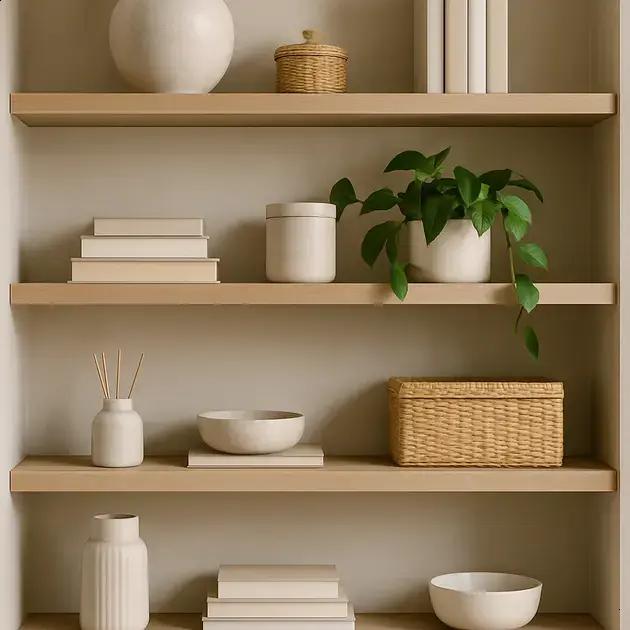
- Incorporate open storage baskets or boxes for grouping smaller, less attractive items, maintaining a tidy look.
Remember, open shelving is an opportunity to showcase your style. Consider rotating items seasonally or whenever you want a fresh look. Displaying cherished objects alongside everyday essentials will make your shelving a dynamic and personal part of your home.
Balancing functionality with aesthetics
Balancing functionality with aesthetics on open shelving is key to creating a space that is both useful and visually appealing. While it’s tempting to fill shelves with decorative pieces, it’s important to remember that these spaces also serve practical purposes.
Start by prioritizing everyday items you regularly use but want easy access to, like plates, glasses, or books. Organize these items neatly to maintain order and accessibility. For example, placing frequently used dishes at eye level can make your kitchen more efficient.
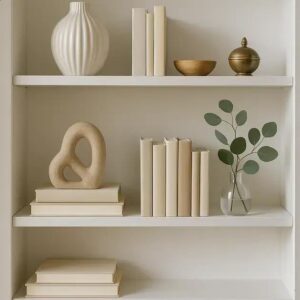
Next, incorporate decorative elements to break the monotony and add personality. Items like artful ceramics, framed photos, or small plants can add warmth and interest without overwhelming the shelves.
Consider scale and spacing carefully. Leaving some empty space prevents the shelves from feeling crowded and allows each object to stand out. Grouping items by color, shape, or theme can help create cohesion and a thoughtful look.
Remember, the goal is to have shelves that invite both use and admiration. They should reflect your style while making everyday tasks easier, striking a perfect balance between form and function.
Maintaining a clean and inviting look
Maintaining a clean and inviting look on open shelving requires regular attention and thoughtful organization. Open shelves expose everything to view, so keeping them tidy is essential to avoid a cluttered and chaotic appearance.
Regular dusting and cleaning are crucial. Because items on open shelves don’t have doors to protect them, dust can accumulate quickly. Use a soft cloth or duster weekly to keep surfaces and objects clean.
Develop a habit of putting items back in their designated spots after use. This simple practice prevents piles of clutter from forming and keeps the space looking orderly.
Another helpful approach is to periodically evaluate the items on display. Rotating decorations or limiting the number of objects helps maintain a fresh and uncluttered visual balance.
Consider using stylish storage solutions like baskets, bins, or boxes to conceal less attractive items while keeping the shelves neat. This keeps the shelves functional without sacrificing the inviting atmosphere.
Lighting also plays a role; well-lit shelves appear more welcoming. Position them near natural light or add subtle LED strips to highlight your arrangement.
In essence, staying proactive by combining cleaning routines, organized habits, and thoughtful display choices ensures your open shelving always looks clean, welcoming, and balanced.
Bringing it all together
Organizing open shelving without making it look busy or overdecorated is all about balance and intention. By understanding the basics, choosing the right items, balancing function with style, and maintaining a clean look, you create a space that’s both beautiful and practical.
With thoughtful choices and regular care, your open shelves can become a focal point that reflects your personality while keeping your space tidy and welcoming. Remember, less can be more when it comes to open shelving.
Apply these tips to enjoy shelves that enhance your home’s style and usability, making everyday living a little easier and a lot more enjoyable.
FAQ – Organizing Open Shelving Without Making It Look Busy or Overdecorated
How do I prevent my open shelves from looking cluttered?
Keep a balance by selecting only a few key items to display and avoid overcrowding shelves. Using items with a cohesive color palette helps maintain a clean look.
What types of items work best on open shelving?
Functional items like dishes or books mixed with decorative pieces such as plants, framed photos, and artful ceramics create a pleasing balance.
How often should I clean and organize my open shelves?
Regular dusting once a week and weekly tidying to put items back in their place helps keep shelves looking inviting and neat.
Can I mix different materials on open shelves?
Yes, mixing textures like wood, metal, and ceramics adds visual interest while keeping the arrangement stylish and balanced.
How do I make sure my open shelving is both functional and beautiful?
Prioritize frequently used items for easy access and add decorative elements thoughtfully. Leave some empty space to prevent overcrowding.
What’s the best way to maintain a fresh look on open shelving?
Rotate decorations seasonally or periodically reassess the items on display to keep the shelves feeling fresh and personalized.