Have you ever stared at your shelves wondering how to make them look less cluttered but still stylish? The secret to effortlessly chic arrangements often boils down to a simple guideline that professionals swear by. The idea behind Style Elegant Shelves isn’t about filling every inch; it’s about balance using the rule of three.
This design principle encourages grouping items in threes to create harmony and visual interest. Imagine your shelves as a stage—too many props can distract, but just the right number of items keeps the spotlight shining. Want to learn how to style your shelves like an interior designer without overwhelming your space?
Stick around as we break down the rule of three, uncover how to pick and pair your objects, and give you practical hacks to keep your shelves elegant and inviting. Your space is about to get a stylish upgrade!
Understanding the rule of three in shelf styling
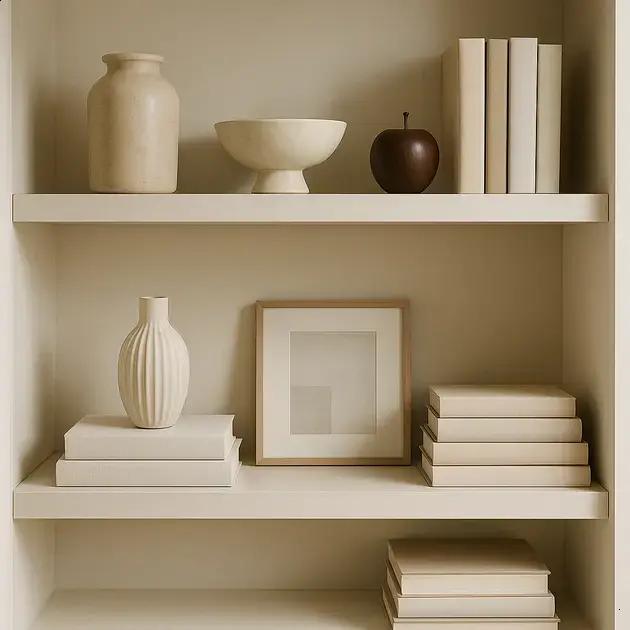
The rule of three is a classic design principle used by interior designers to create visually appealing and balanced shelf arrangements. It suggests grouping items in sets of three to add rhythm, interest, and harmony without overwhelming the space. This rule works because odd numbers naturally draw the eye and create a sense of movement, unlike even numbers, which can feel static or less dynamic.
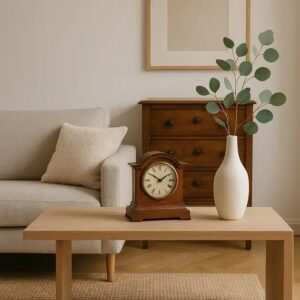
When applying the rule of three, consider the scale and shape of objects. Combining three pieces of varying heights and textures makes the display more engaging. For example, pairing a tall vase, a medium sculpture, and a small book creates contrast and balance. The key is to ensure that each item complements the others without competing for attention.
Beyond quantity, the rule also encourages thoughtful spacing. Adequate gaps between each item avoid clutter and allow each piece to stand out. Using the rule of thirds, which divides a shelf visually into three parts, can help place objects asymmetrically yet harmoniously. This subtle asymmetry brings natural flow and elegance to your shelves.
Why Designers Prefer the Rule of Three
Interior designers often choose the rule of three because it’s simple yet effective. It helps prevent overcrowding, making shelves look curated instead of chaotic. It also encourages creativity, as you experiment with different combinations to achieve the perfect trio. Most importantly, it creates an inviting focal point that enhances the room’s overall aesthetic.
Incorporate the rule of three gently, mixing decorative and functional items to reflect your personality while maintaining style. Remember, this is a guideline, not a strict rule—trust your eye and adjust as needed to fit your space and taste.
Choosing objects that complement each other
Choosing objects that complement each other is key when styling shelves elegantly. Items should work together visually, creating harmony and a cohesive look. This means considering colors, textures, shapes, and sizes to ensure each piece enhances the overall aesthetic.
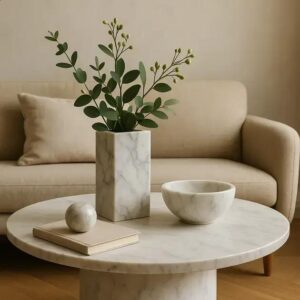
Start by selecting three to five items that vary in height and texture but share a common theme or color palette. For example, pairing a smooth ceramic vase with a rough wooden box and a stack of neutral-toned books adds interest without clutter. Mixing different materials like glass, metal, and fabric can create appealing contrasts.
Balance is essential. Avoid placing objects that are too similar side by side, as this can make the display monotonous. Instead, choose pieces that subtly echo each other’s colors or shapes, creating a rhythm that feels natural to the eye.
Consider the function of objects as well; combining decorative and practical items keeps shelves both stylish and useful. For instance, a beautiful candle holder can sit next to a favored collection of books or a small plant, injecting life and warmth.
Lighting also plays a role. Positioned near natural light or a subtle spotlight, items with reflective surfaces can add sparkle, while matte finishes absorb light and provide grounding. Experiment with positioning and layering objects in front or behind each other to add depth.
Balancing colors and textures with the rule of three
Balancing colors and textures using the rule of three is a powerful way to add depth and interest to your shelves. This technique involves selecting three distinct colors or textures that complement each other, creating a rich visual experience without appearing chaotic.
Start by choosing a color palette that includes a dominant color, an accent color, and a neutral shade. For example, combining a deep navy, soft beige, and crisp white can provide contrast while maintaining harmony. Each object on your shelf should reflect at least one of these colors to ensure cohesion.
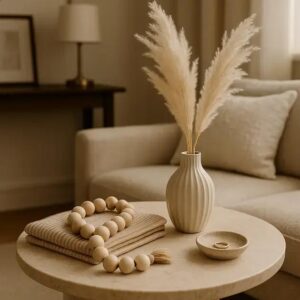
Textures play an equally important role. Mixing smooth, rough, and soft materials can breathe life into your arrangement. Consider pairing a sleek glass vase with a woven basket and a plush fabric item like a small throw or cushion. This variation engages the senses and guides the eye.
Pay attention to how colors and textures interact with lighting. Natural or warm lighting enhances textures and highlights color contrasts subtly. Layering textures by placing items slightly overlapping or at different depths creates a dynamic and inviting look.
Remember, the goal is to create balance, so avoid overwhelming the shelf with too many bold colors or harsh textures. Instead, allow the three chosen elements to work together to craft an elegant and personalized display.
Tips for maintaining an elegant and functional shelf
Maintaining an elegant and functional shelf requires regular care and thoughtful organization. Consistency is key to keeping your shelves looking stylish over time without becoming cluttered.
Start by establishing a habit of tidying your shelves weekly. Remove dust and rearrange items if needed to keep the display fresh. This prevents build-up and ensures objects don’t become too crowded.
To keep the shelf functional, designate specific zones for different types of items. For example, create areas for books, decorative pieces, and everyday essentials. This balance between beauty and practicality helps your shelves support your lifestyle.
Limit the number of items by adopting the rule of three or five when grouping objects. Avoid overcrowding to maintain a clean and airy appearance. Use trays or boxes to group smaller items neatly and reduce visual clutter.
Lighting can significantly enhance your shelf’s elegance. Use subtle accent lights or position shelves near natural light sources to highlight textures and colors. Good lighting also makes it easier to find what you need.
Finally, regularly rotate decorative items seasonally or whenever your style shifts. This keeps your shelves feeling updated and personalized without requiring a complete overhaul.
Bringing elegance to your shelves with the rule of three
Using the rule of three helps create balance and beauty in your shelf styling, making your space feel inviting and well-arranged. By choosing complementary objects, balancing colors and textures, and maintaining a functional layout, you can transform ordinary shelves into elegant focal points.
Consistent care and thoughtful arrangement keep your shelves looking fresh and stylish while serving practical needs. Experiment with these techniques to reflect your personal style effortlessly.
Embrace the simple yet powerful rule of three to elevate your interior design and enjoy shelves that are both beautiful and functional every day.
FAQ – Frequently Asked Questions About Styling Elegant Shelves
What is the rule of three in shelf styling?
The rule of three involves grouping items in sets of three to create balanced, visually appealing arrangements that draw the eye naturally.
How do I choose objects that complement each other on shelves?
Select items with varying shapes, sizes, and textures that share a common color palette or theme to ensure harmony and interest.
Why is balancing colors and textures important in shelf styling?
Balancing colors and textures adds depth and contrast to shelves, making the display more dynamic and visually engaging.
How can I keep my shelves both elegant and functional?
Limit clutter by grouping items thoughtfully, assign zones for different objects, and regularly tidy and rotate decorations to maintain style and usability.
Can I mix decorative and practical items on shelves?
Yes, combining decorative pieces with practical items like books or storage boxes creates a stylish yet functional shelf display.
How does lighting affect styled shelves?
Natural or accent lighting highlights textures and colors, enhancing the overall look and making shelves more inviting and attractive.