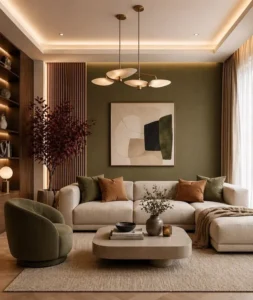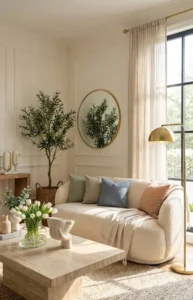
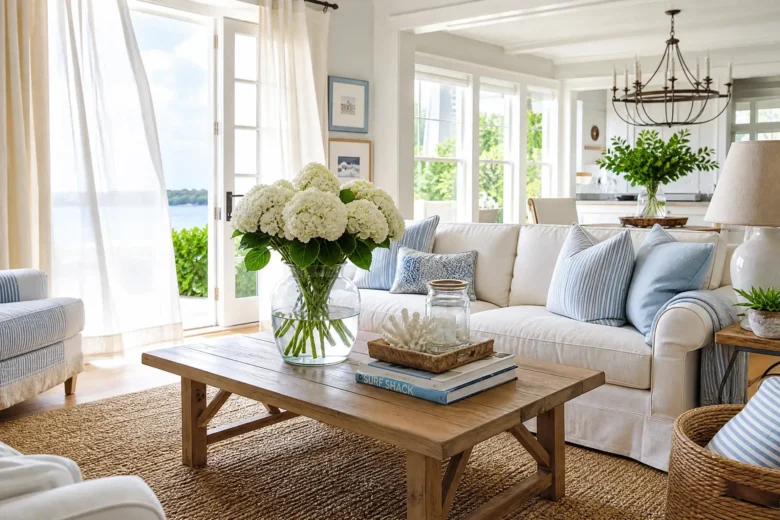
As the calendar turns toward the sun-drenched months of 2026, the sophisticated woman seeks to harmonize her home with the vibrant energy and airy lightness of summer. This season, the trends move beyond fleeting fancies, embracing a philosophy of organic luxury, sustainable elegance, and a seamless connection between indoor and outdoor living. The goal is to create a sanctuary that feels both impeccably polished and profoundly refreshing — a space where every detail is a deliberate celebration of the summer sun.
True seasonal decorating is about more than changing a few pillows. It is about a holistic sensory refresh that rejuvenates the spirit and revitalizes the home. From the return of handcrafted organic textures to the ethereal beauty of sun-bleached hues, this guide provides everything you need to navigate the Summer 2026 trends with confidence and grace — and to shed the heaviness of the previous months in favor of a home that is as bright, clear, and inviting as a summer morning.
The Aesthetic of Summer 2026: Core Themes
The overarching aesthetic for Summer 2026 is defined by what designers are calling Refined Vitality — a sophisticated blend of high-end design and the raw, rejuvenating power of nature. This season moves deliberately away from stark minimalism and toward spaces that feel layered, textured, and deeply connected to the natural world, all while maintaining a polished and discerning edge.
Three core themes define the season and work together to create an aesthetic that is both profoundly refreshing and undeniably sophisticated.
Organic Luxury emphasizes handcrafted items and raw materials — stone, aged wood, and loosely woven linen — that carry a sense of authenticity and slow making that mass production cannot replicate.
Ethereal Fluidity focuses on light, airy fabrics and transparent or semi-transparent elements that create a feeling of openness and gentle movement within a room, even on still days.
Conscious Curation encourages a more mindful approach to decorating, prioritizing quality over quantity and extending naturally into sustainable and ethically produced choices. Together, these themes create the philosophical foundation on which every individual Summer 2026 decorating decision rests.
Color Palettes: From Sun-Drenched Earth to Ethereal Blues
The Primary Palette: Sun-Drenched Earth
The color palettes for Summer 2026 build from a warm, grounding foundation that evokes the feeling of sun-warmed landscapes at their most serene. Warm sandy beiges, soft terracottas, and muted ochres provide the primary backdrop — tones that feel both modern and timeless, and that respond beautifully to the long, golden light of summer afternoons.
This earthy base is not neutral in the flat or anonymous sense. These are colors with genuine warmth and subtle complexity, the kind of palette that reads differently in morning light than it does at dusk, and that rewards attention rather than simply sitting quietly in the background.
Accent Palettes: Ethereal Blues and Luminous Greens
Complementing the earthy foundation are two cooling accent families that balance the warmth of the primary palette with freshness and clarity.
The ethereal blues of Summer 2026 are pale and almost transparent — the palest possible sky blue, the barely-there color of sea foam at the edge of a wave. These are not bold or saturated blues; they are blues that read almost as the absence of color, adding a cooling visual note without introducing visual weight.
Luminous greens occupy the same register — sage, soft olive, and a vibrant but restrained botanical green that suggests living growth without the heaviness of deep forest tones. Together, these accent colors create a palette that feels crisp and clear without ever feeling cold.
Finishing Accents: Sun-Bleached Hues
For the finest layer of color detail, Summer 2026 introduces sun-bleached accents — dusty rose, pale lavender, and muted soft yellow — that add delicate presence without overwhelming the palette’s essential calm. These are colors that appear in small quantities: a single cushion, a ceramic vessel, a stack of linen napkins on a dining table.
Materials and Textures: The Return of Organic Luxury
Why Organic Materials Define This Season
In Summer 2026, the tactile experience of a home is as important as its visual appeal. The trend moves firmly away from mass-produced, synthetic surfaces toward materials that are raw, natural, and often handcrafted — items that tell a story of genuine craft and of a considered relationship with the materials of the earth. For the sophisticated woman, this means investing in pieces that not only look beautiful but feel wonderful to the touch, enhancing the overall sense of comfort and well-being throughout the home.
The Materials That Matter Most
Hand-woven linens and cottons remain the quintessential summer fabrics, but the 2026 direction emphasizes heavier, more textured weaves that add visual interest while maintaining linen’s characteristic breathability. Use them for curtains, throw pillows, and lightweight upholstery that needs to work through warm months without feeling oppressive.
Rattan, wicker, and cane are returning in significantly more sophisticated and contemporary forms than their previous incarnations. The pieces to look for are sleek, well-proportioned furniture and decorative accents where these woven textures are used with the restraint of a material that knows its value rather than as a statement of rustic nostalgia.
Light, unfinished woods — ash, maple, and white oak — replace the dark, heavily stained furniture that defined earlier seasonal preferences. In matte or barely-there finishes, these woods keep spaces feeling bright and airy while adding genuine warmth and natural variation to surfaces.
Honed stone and matte ceramics bring a sense of cool permanence to summer interiors. Travertine and limestone in honed rather than polished finishes absorb light rather than reflecting it, creating a sophisticated softness. Pair them with handcrafted ceramics in organic shapes and understated glazes for a curated, artisanal quality that no mass-produced piece can match.
Recycled and bio-based materials have moved firmly from trend to standard. High-end decor made from recycled glass, reclaimed ocean plastics, and bio-based resins now appears at every level of the market, demonstrating conclusively that eco-conscious choices and genuine elegance are not in any tension with each other.
The Al Fresco Revolution: Indoor-Outdoor Continuity
One of the most significant aesthetic shifts for Summer 2026 is what designers are calling the Al Fresco Revolution — the seamless blurring of the boundary between indoor and outdoor living spaces. This is not simply about having a well-decorated patio. It is about treating the interior and exterior as a single, unified environment with a continuous visual and functional logic.
Achieving this continuity requires consistency of material and palette across the threshold. Large-format stone tiles used for both a living room floor and an adjacent terrace remove the visual boundary between the two spaces even when the doors are closed. Furniture in similar styles and colorways on both sides of the glass create an impression of one expanded room rather than two separate zones.
Large sliding or folding glass doors that can disappear entirely into the wall are the ultimate architectural tool for this approach, but the aesthetic principles apply at any scale. Even a modest apartment balcony, treated with the same seriousness and the same design language as the interior space it adjoins, participates in the Al Fresco Revolution in its own proportionate way.
Sustainable Summer: Eco-Conscious Decorating Habits
Sustainability as Sophistication
In Summer 2026, sustainability is woven seamlessly into sophisticated decorating rather than existing as a separate, niche consideration. For the discerning woman, making eco-conscious choices is a natural extension of her broader commitment to quality, intentionality, and responsible living. The sustainable summer refresh is about choosing items that are ethically produced, made from renewable resources, and designed to last well beyond a single season.
Five Principles for a Genuinely Green Refresh
Invest in quality over quantity. A small number of high-quality, handcrafted pieces will always create a more sophisticated home than a larger number of inexpensive, trend-driven items. This is both an aesthetic principle and a sustainability one — fewer, better things generate less waste and create more lasting satisfaction.
Support local artisans. Decor made by local craftspeople carries a reduced carbon footprint, supports the local economy, and brings genuinely individual, soulful objects into the home. No two handmade pieces are identical, which is precisely what distinguishes a curated home from a styled one.
Choose natural and renewable fibers. Linen, organic cotton, wool, and hemp are biodegradable, renewable, and generally require fewer chemical inputs than synthetic alternatives. In a summer home, where textiles do so much of the decorating work, this choice has both an environmental and a sensory payoff.
Repurpose and refurbish before buying new. A coat of eco-friendly paint, a simple reupholstering with a sustainable fabric, or the repositioning of an existing piece in a new context can deliver the sensation of a genuine refresh without any new acquisition at all. The most sophisticated summer homes are often those that have evolved rather than been replaced.
Use natural light strategically. The long days of summer are an enormous asset in reducing the energy cost of a well-lit home. Making the most of natural light through thoughtful window treatment choices and the strategic placement of mirrors is simultaneously the most sustainable and the most beautiful lighting decision available in summer.
Sensory Summer: Scent, Sound, and Light
Curating the Full Sensory Experience
A truly sophisticated summer home engages all five senses, not only sight. The scents, sounds, and quality of light within a space define its atmosphere as surely as any material or color choice, and Summer 2026 brings specific and considered preferences to all three.
The Scent of Summer 2026
The winter home’s warm, resinous, woody fragrances give way in summer to lighter, more transparent scent profiles. Citrus — lemon, lime, grapefruit, bergamot — is the most characteristically summer note, bringing an immediate sense of brightness and energy to any room. Floral additions of jasmine, neroli, and lavender introduce sophisticated sweetness without the heaviness of richer floral compositions. For something more grounding, sea salt, lightly diffused sandalwood, or a green, herbaceous note creates a scent profile that feels fresh and complex without becoming perfumed.
The key principle for summer fragrance is restraint. A subtle, high-quality scent that guests notice and cannot quite identify is infinitely more sophisticated than a strong, immediately obvious one. Choose natural essential oil diffusers or high-end soy and beeswax candles over synthetic fragrance products, and allow the scent to exist at the edge of perception rather than at its center.
Sound and Light
The auditory landscape of a summer home is as worth curating as its visual one. Soft instrumental music, the gentle sound of leaves through an open window, or the quiet presence of a small indoor water feature all contribute to an ambient atmosphere of calm that is distinctly different from the more enclosed, insulated silence of a winter interior.
Natural light in summer is a transformative resource that is often underused through the wrong window treatments. Sheer, lightweight curtains that diffuse rather than block the sun’s rays create a soft, luminous glow throughout the day that flatters both the room and its occupants. Mirrors placed to reflect light into corners that natural light does not directly reach can make an entire home feel larger, brighter, and more alive without any structural change whatsoever.
In the evenings, the shift to warm-toned lamps and occasional candlelight maintains the summer atmosphere as the natural light fades, bridging the long summer dusk and the cooler darkness that follows it.
The Curator’s Checklist: Essential Summer Swaps
A strategic, high-impact summer refresh does not require a complete overhaul of the home. The following swaps, approached in order of impact, can transform the seasonal atmosphere of a home in a single focused weekend.
Textiles first. Replace heavy wool rugs with lighter jute or sisal alternatives. Swap velvet and thick cotton cushion covers for linen or silk versions in the summer palette. Trade heavy drapes for sheer, airy curtains that admit both light and movement. These three changes alone will shift the atmosphere of a living room more dramatically than almost any other intervention.
Bedding next. Move to high-thread-count linen or percale cotton sheets. Replace heavy winter duvets with lightweight summer quilts or simple coverlets. A bed made with summer linens looks cooler and more refined and delivers a genuinely different — and better — sleep experience in warm months.
Greenery and florals. Clear away dried winter arrangements and bring in fresh seasonal flowers: hydrangeas, peonies, or simply a few long green branches in a tall vase. Update indoor plants and ensure they are housed in pots that are appropriate to the room’s summer palette.
Scent reset. Replace spicy, woody candles and diffusers with citrus, sea salt, or light floral alternatives. This change costs very little and has a disproportionately large effect on how the home feels to anyone entering it.
Accessory edit. Consider rotating a few pieces of art for lighter, more summery alternatives. Clear excess decorative objects from shelves and tables to create the more spacious, airy feel that defines the best summer interiors. In summer decorating, what is removed is often as important as what is added.
Maintaining the Summer Haven: Daily Habits for a Crisp Home
The Morning Airing
The foundation of a consistently fresh summer home is a daily habit of opening windows and doors early in the morning to admit cool air and clear out any overnight staleness. This single, free, five-minute act does more for the ongoing freshness of a summer home than any air freshener or product. It is the simplest possible form of seasonal attunement.
The Evening Reset
A fifteen-minute tidy of the main living areas before bed — cushions refluffed, surfaces cleared, any accumulated daily disorder resolved — ensures that the home is encountered fresh each morning. This is not about perfectionism; it is about maintaining the baseline of calm that makes a well-decorated room feel like a sanctuary rather than a backdrop to daily life.
Greenery and Surface Care
A few minutes each day attending to plants and refreshing water in floral arrangements keeps living decor looking its best throughout the season. The same daily attention to surface clarity — clearing away mail, magazines, and items that have been used and finished with — preserves the sense of openness and light that defines the ideal summer interior. In summer decorating, clear surfaces reflect light, and cluttered ones absorb it.
Conclusion: Your Sun-Drenched Sanctuary Realized
A sophisticated Summer 2026 home is achieved not through a single dramatic gesture but through a series of considered, compounding choices — each one small in isolation and significant in accumulation. The right palette, materials that reward touch as much as sight, a sensory landscape of light and scent, and daily habits that preserve the season’s freshness all work together to create a home that does not simply look like summer but genuinely feels like it.
The Summer 2026 aesthetic asks for less of what does not serve the season and more of what does: lightness over heaviness, quality over quantity, natural materials over synthetic ones, restraint over accumulation. This is a decorating philosophy as much as a trend report, and its rewards extend well beyond the months in which it is most visibly expressed. Begin with the textiles, attend to the light, and let the rest follow at whatever pace suits your home and your life.
Frequently Asked Questions
How can I make my home feel cooler in summer without relying on air conditioning?
The most effective natural cooling strategies work with airflow and light rather than against heat directly. Use light-colored, breathable fabrics like linen and organic cotton for upholstery, curtains, and bedding — these materials absorb less heat and allow air to circulate more freely than synthetic or heavy alternatives. Keep blinds or sheer curtains closed during the hottest hours of the day to block direct sun while still admitting diffused light. Create cross-ventilation by opening windows on opposite sides of the home during the cooler morning and evening hours, allowing fresh air to move through rather than simply sit. Indoor plants also contribute to natural cooling by releasing moisture into the air through transpiration, subtly lowering the ambient temperature of a room over time.
What are the most durable natural materials for furniture that moves between indoor and outdoor spaces?
For pieces that need to perform well in both contexts, material choice is everything. High-quality teak, ipe, and powder-coated aluminum are the most reliable structural options, combining genuine durability with the kind of refined appearance that holds up in a sophisticated interior setting. For woven elements, high-density polyethylene wicker is the most practical weather-resistant alternative to natural rattan — it maintains a similar aesthetic without the vulnerability to moisture and UV damage. For cushions and upholstery, always choose outdoor-rated fabrics that are specifically engineered for UV resistance and moisture repellence, even for pieces that spend most of their time indoors. The investment in genuinely outdoor-capable materials pays for itself the first time a summer shower arrives unexpectedly.
How do I choose the right summer scent for my home?
Start with the register rather than the specific note. Summer fragrances should feel light, transparent, and refreshing rather than warm, heavy, or enveloping — the opposite of what serves a winter home well. Citrus notes, lemon, lime, grapefruit, and bergamot, are the most characteristically summer choices and work in almost any room. Floral additions of jasmine, neroli, and lavender introduce sophistication without sweetness becoming oppressive. For a more grounded alternative, sea salt, lightly used sandalwood, or a clean herbaceous note creates a scent profile that reads as fresh and complex simultaneously. Whatever you choose, prioritize quality over intensity. A subtle, natural fragrance from a high-quality essential oil diffuser or a soy or beeswax candle is always more sophisticated than a strong synthetic one, and it allows guests to notice it as a pleasant presence rather than an overwhelming declaration.
Can dark colors work in a summer decorating scheme?
Yes, when used with genuine restraint and counterbalanced thoughtfully. Deep charcoal, navy, and forest green can all add sophistication and visual weight to a summer interior without making it feel heavy, provided they are used as accents or for a single considered statement piece rather than as a dominant color across large surfaces. The key is contrast: pair a dark accent with abundant natural light, a foundation of white or warm cream, and the warmth of natural wood textures. A single deep navy cushion against a cream sofa, or a forest green ceramic lamp on a pale oak side table, reads as sophisticated and seasonally appropriate. The same colors applied to walls or upholstery in a room without strong natural light will almost always feel oppressive regardless of how they are styled around.
What are the quickest ways to update an entryway for summer?
The entryway sets the sensory tone for the entire home, which makes it one of the highest-impact areas for a quick seasonal update. Swap any heavy winter rug for a light jute or woven runner that immediately signals the season’s change in material language. Replace wintery decorative objects with a single large vase of fresh seasonal flowers — hydrangeas, peonies, or simple long-stemmed greenery — or a well-proportioned potted plant in a ceramic vessel. Clear away any accumulated coats, bags, and objects that have drifted there over winter to restore a sense of openness and ease. Finally, introduce a new summer scent through a small diffuser or a lightly fragranced candle placed near the entrance. Scent is the first thing registered upon entering a home, and a single well-chosen summer fragrance in the entryway changes the experience of the entire house for anyone who walks through the door.