Have you ever wondered how to give your home that unique touch by combining old and new styles? The secret lies in mixing Antique and Modern Décor in a way that feels natural and timeless.
Many people get overwhelmed trying to blend classic antiques with sleek modern pieces, fearing their spaces will look confusing or forced. But what if you could create harmony that tells your story?
This article explores how to pair contrasting elements thoughtfully, offering practical steps to design an interior that truly stands out without losing balance.
Understanding the charm of antique pieces
Antique pieces hold a unique charm due to their history, craftsmanship, and character. They offer a glimpse into past eras, showcasing design styles that reflect cultural and artistic movements over centuries. Each piece tells a story, often crafted by skilled artisans using traditional methods that are rare today.
The appeal of antique décor lies in its ability to add depth and personality to any space. Unlike mass-produced items, antiques carry a sense of authenticity and uniqueness that modern pieces may lack. Their intricate details, whether in wood carving, metalwork, or upholstery, enrich a room’s atmosphere with warmth and elegance.
Moreover, antiques often feature quality materials that have stood the test of time, such as solid hardwoods, brass, and hand-blown glass. This durability not only ensures longevity but also allows these items to age gracefully, developing a patina that enhances their beauty.
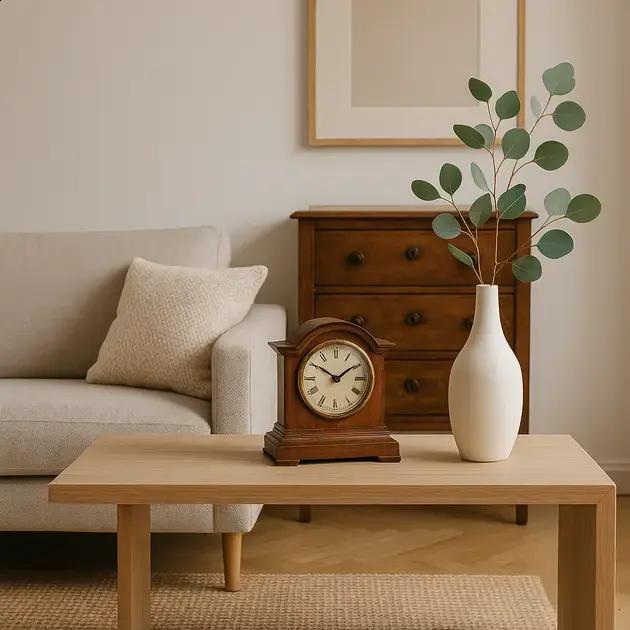
Incorporating antique pieces allows homeowners to celebrate history while creating a focal point in interior design. For example, a vintage dresser can become the centerpiece of a bedroom, or an antique chandelier may elevate the sophistication of a dining room.
Understanding the value of antiques goes beyond aesthetics—it also encourages mindful collecting and care. Proper maintenance helps preserve these treasures for future generations, allowing their stories and charm to endure.
Incorporating modern elements without clashing
Successfully incorporating modern elements into your home without causing a clash requires a careful balance between contrast and cohesion. Modern décor is characterized by clean lines, minimalism, and functional design, which can beautifully complement the ornate and detailed nature of antique pieces when done thoughtfully.
One key to blending these styles is to focus on color schemes and materials. For example, pairing antique wooden furniture with modern metal or glass accents can create a striking yet harmonious contrast. Maintaining a consistent color palette throughout the space helps unify the different styles.
Another useful approach is to use modern elements as a backdrop. Walls painted in neutral shades or featuring contemporary art can highlight antique pieces, allowing them to stand out without overwhelming the room.
Lighting plays a significant role in merging these styles. Sleek, modern light fixtures with subtle designs can illuminate antique objects effectively, enhancing their details while maintaining a fresh atmosphere.
Balancing colors and textures for harmony
Balancing colors and textures is essential for creating harmony when mixing antique and modern décor. Colors set the mood of a room, while textures add depth and interest. When combined thoughtfully, they can bridge the gap between different styles and make your interior feel cohesive.
Start by choosing a color palette that complements both antique and modern pieces. Neutral tones like beige, gray, and soft whites often work well as a base. These shades create a calm background that allows statement antique pieces to stand out without overwhelming the space.
Introducing accent colors can add vibrancy. Consider rich jewel tones inspired by antique fabrics, such as emerald green or deep burgundy, paired with modern metallics like brushed gold or sleek silver. This mix enhances the visual appeal while connecting old and new elements.
Textures also play a vital role in achieving balance. Smooth surfaces found in modern furniture can contrast beautifully with the tactile qualities of antique upholstery, carved wood, or oxidized metal finishes. Mixing soft fabrics like velvet or silk with harder surfaces creates a dynamic and inviting atmosphere.
For example, pairing a modern leather sofa with an antique embroidered rug and velvet cushions injects personality and comfort. Layering various textures encourages the eye to explore the space, making the interior feel thoughtfully curated.
Practical tips for blending antique and modern styles
Blending antique and modern styles can create a unique and timeless interior when done thoughtfully. One practical tip is to start with a neutral color palette that allows both styles to shine without clashing. Neutral tones like whites, grays, and earthy hues provide a clean backdrop for mixing diverse textures and shapes.
Focus on focal points in your space, such as an antique cabinet or a modern art piece. Positioning these elements strategically helps balance the room and draws attention to key design features. Avoid overcrowding by limiting the number of standout items to maintain harmony.
Incorporate layering with textiles like rugs, throws, and cushions. Mixing vintage patterns with sleek, modern fabrics offers cozy comfort while bridging eras effectively. For example, a Persian rug under a minimalist coffee table merges both worlds seamlessly.
Another tip is to use lighting to unify styles. Modern fixtures with clean lines can highlight antique furniture and art without overwhelming the space. Strategically placed table lamps or sconces add warmth and enhance textures.
Lastly, accessorize thoughtfully. Blend vintage decor items, such as brass candlesticks or ceramic vases, with contemporary pieces like abstract sculptures. Pairing these carefully helps tie the styles together and adds personality to your home.
Bringing Antique and Modern Décor Together
Mixing antique and modern décor creates a timeless and inviting interior that reflects your unique style. By balancing colors, textures, and elements thoughtfully, you can harmonize these two distinct design worlds.
Practical tips like focusing on focal points, layering textiles, and choosing the right lighting help blend pieces seamlessly. This approach offers a fresh yet classic look that stands the test of time.
Embrace the beauty of both eras to craft a space that feels personal, warm, and balanced—making your home truly one of a kind.
FAQ – Frequently Asked Questions About Mixing Antique and Modern Décor
How can I make antique and modern décor work together without clashing?
Focus on balancing colors and textures, use a neutral color palette as a base, and highlight key focal points to create harmony between styles.
What colors work best when blending antique and modern pieces?
Neutral tones like beige, gray, and soft whites provide a calm backdrop, while jewel tones such as emerald green or deep burgundy add rich accents.
How can lighting help in mixing antique and modern décor?
Modern lighting fixtures with clean lines can highlight antique pieces, enhancing their details while maintaining a fresh and balanced atmosphere.
What are some practical tips for accessorizing a space with antique and modern styles?
Mix vintage items like brass candlesticks with contemporary sculptures thoughtfully to add personality without overwhelming the space.
Why is texture important in blending antique and modern décor?
Contrasting textures, such as smooth modern surfaces with tactile antique fabrics or carved wood, create depth and make the space feel inviting.
Can layering textiles help with combining antique and modern décor?
Yes, layering rugs, throws, and cushions that combine vintage patterns with sleek modern fabrics adds comfort and bridges different design eras effectively.