Ever walked into a hallway and felt instantly wowed? That’s the magic of Creating Luxury Hallways with thoughtful architectural details that turn simple spaces into elegant statements.
Many struggle to elevate their hallways beyond basic passageways, missing out on their full potential to impress visitors and boost home value. What if a few design secrets could change that?
In this article, you’ll discover practical ways designers use architectural elements to craft luxurious hallways. Ready to transform your space and make a grand entrance every time?
Understanding luxury hallway design principles
Creating a luxury hallway starts with understanding its core design principles, which blend form and function to offer both beauty and practicality. A luxury hallway is more than just a passage—it sets the tone for the entire home, welcoming guests with elegance.
Balance and proportion are key elements. Hallways should feel spacious but cozy, avoiding extremes that make the space feel cramped or empty. Designers often use symmetrical architectural features like molding or wainscoting to create a harmonious look that pleases the eye.
Lighting plays a pivotal role in elevating hallway design. Natural light enhances the space’s openness, while layered artificial lighting—such as sconces combined with recessed ceiling lights—adds warmth and depth. Using quality materials like marble floors or hardwood adds texture and a subtle sense of grandeur.
Decorative details such as crown molding, coffered ceilings, or elegant paneling introduce subtle luxury that’s not overwhelming but unmistakably refined. These architectural details work together to frame the hallway, creating a sense of flow from one room to another.
The choice of color palette also contributes significantly to the luxurious feel. Soft neutrals, rich tones, or classic monochromes commonly pair well with architectural details, enhancing the hallway’s overall sophistication without overpowering it.
Choosing architectural features to enhance your hallway
Choosing the right architectural features can dramatically enhance the look and feel of your hallway. Key elements like molding, trim, and paneling add depth and character, transforming an ordinary passage into a space with style and grandeur.
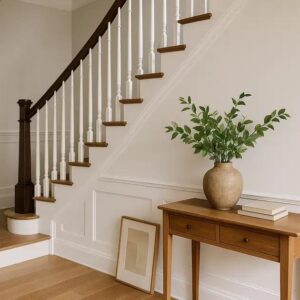
Crown molding is a classic choice that highlights the transition between walls and ceiling, adding an elegant frame that draws the eye upward. Incorporating wainscoting or wall paneling creates visual interest by breaking up large wall spaces and introducing texture.
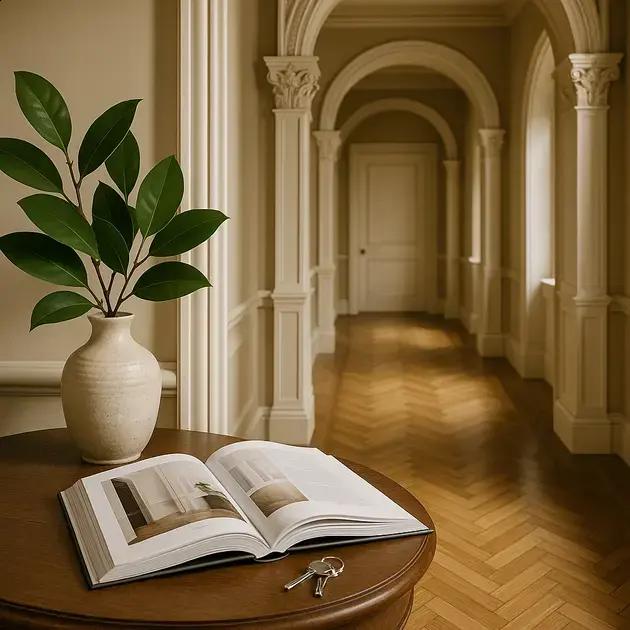
Columns and arches are ideal for hallways that connect to larger rooms or open areas. These features reinforce a sense of grandeur and create a natural flow from one space to another. A tray or coffered ceiling can also elevate the architectural appeal by adding dimension above.
When selecting materials, it’s important to consider both durability and style. Hardwood or stone baseboards offer a polished look while protecting walls from damage. Glass or metal accents can introduce modern flair, depending on your overall design goals.
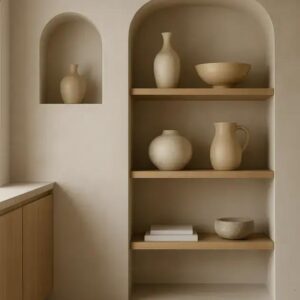
Don’t overlook the power of custom built-ins or niches. These can be used to display artwork or decorative objects, making your hallway not just a passage but a curated experience.
Balancing lighting and materials for elegance
Lighting and material choices are essential to achieve an elegant hallway design that feels both inviting and refined. Proper lighting highlights architectural details, while materials set the tone for texture and warmth in the space.
Layering lighting
To create a balanced lighting scheme, designers often combine ambient, task, and accent lighting. Ambient lighting provides overall illumination, often through recessed ceiling lights or chandeliers. Task lighting, like wall sconces, helps brighten specific areas, while accent lighting emphasizes features such as artwork or moldings.
Natural light also plays an important role in luxury hallways. Incorporating windows or skylights can enhance the brightness during the day, reducing the need for artificial lighting and adding a natural warmth.
Material selection greatly influences the feeling of elegance. Warm materials such as hardwood floors add richness and timelessness, while marble or polished stone elevate the luxury appeal. Soft fabrics in runners or wall hangings introduce comfort and reduce noise.
Combining materials thoughtfully ensures harmony. For example, pairing glossy surfaces like marble with matte wood finishes can create visual interest without overwhelming the senses.
Balance is key: too much shine can feel cold, while overly soft materials may lack sophistication. A mix tailored to your hallway’s size and lighting conditions achieves the perfect elegant atmosphere.
Tips to personalize and maintain your luxurious hallways
Personalizing your luxurious hallway adds character and warmth, making it a unique reflection of your style. One effective way to personalize is by incorporating artwork or decorative mirrors that complement your hallway’s architectural features. Mirrors not only enhance light but also create a sense of space, making the hallway feel larger and more open.
Choosing statement pieces such as an elegant console table or vintage rug can serve as focal points without overpowering the design. Select items that blend well with the materials and color palette used in your hallway to keep the aesthetic cohesive.
Maintaining your luxurious hallway requires regular care of materials and fixtures. For example, hardwood floors should be cleaned with appropriate products to preserve their finish, while marble surfaces need gentle cleaning to avoid stains or etching.
It’s also essential to check architectural elements like moldings and paneling for any signs of wear or damage. Promptly repairing cracks or repainting surfaces helps keep the hallway looking pristine. Regular dusting of light fixtures and decorative features ensures they retain their sparkle and elegance.
Lastly, consider seasonal updates like swapping rugs or artwork to refresh the look without major renovations. Such small changes can keep your hallway feeling fresh and inviting year-round.
Elevate Your Home with Luxurious Hallways
Creating luxury hallways with thoughtful architectural details brings elegance and charm to any home. Each design choice—from lighting to materials—plays a role in shaping a welcoming and stylish space.
By understanding key principles and personalizing the space carefully, you can transform ordinary hallways into stunning entry points that impress every visitor.
Take your time to maintain these features well, ensuring your hallways remain beautiful and inviting for years to come.
FAQ – Common Questions About Creating Luxury Hallways
What are the key architectural details to include in a luxury hallway?
Key details include crown molding, wainscoting, paneling, coffered ceilings, and elegant trim that add depth and sophistication to the hallway.
How can lighting enhance the luxury feel of a hallway?
Layered lighting with ambient, task, and accent lights, combined with natural light, highlights architectural features and creates a warm, inviting atmosphere.
What materials work best for flooring in luxury hallways?
Materials such as hardwood floors, marble, and polished stone are popular choices for their durability and elegant appearance.
How can I personalize my luxury hallway without overwhelming the space?
Use statement pieces like decorative mirrors, artwork, elegant console tables, and vintage rugs that complement your hallway’s color and architectural style.
What is the best way to maintain materials in a luxury hallway?
Regular cleaning with appropriate products, prompt repair of damages, and upkeep of light fixtures help preserve the elegance and durability of the hallway.
Can small changes keep a luxury hallway feeling fresh?
Yes, seasonal updates like changing rugs or swapping artwork can refresh the look without major renovations, keeping the hallway inviting year-round.