Have you ever felt that your mature home could use a touch of elegance without major renovations? Wall Panel Molding offers a subtle yet powerful way to refresh your space, adding charm and character without overwhelming it.
This classic design element enhances walls with texture and depth, creating an inviting atmosphere that blends tradition with modern flair. Many homeowners overlook this simple upgrade that can instantly elevate any room.
In this article, I’ll share how wall panel molding can transform your home effectively, plus practical tips and stunning ideas to inspire your next renovation project.
Understanding wall panel molding and its benefits
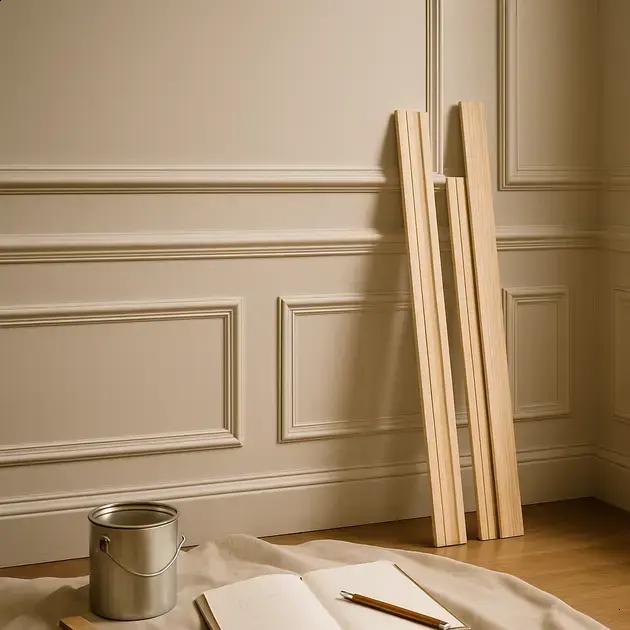
Wall panel molding is a decorative architectural feature that adds depth and elegance to interior walls. It typically consists of raised or recessed panels framed by molding strips, creating a sophisticated and timeless look. This design enhances both plain and detailed wall surfaces by introducing texture and visual interest without overwhelming the room.
The benefits of wall panel molding extend beyond aesthetics. It helps protect walls from dents and scratches, making it a practical choice for high-traffic areas. Additionally, it can increase a home’s value by improving interior appeal with minimal renovation effort.
Moreover, wall panel molding allows great flexibility in design choices. From classic to contemporary styles, homeowners can choose materials like wood, MDF, or polyurethane to match their decor. Painting or staining these panels can further personalize the look, making each installation unique.
Professional installation ensures precise measurements and clean lines, which are crucial for achieving a polished finish. Even for DIY enthusiasts, understanding the basics of measuring, cutting, and fastening molding pieces can lead to satisfying results and cost savings.
Choosing the right materials for durable wall panel molding
Choosing the right materials for wall panel molding is essential to ensure both longevity and aesthetic appeal. Common materials include solid wood, medium-density fiberboard (MDF), polyurethane, and PVC. Each offers distinct advantages depending on the environment and desired finish.
Solid wood is a classic choice, valued for its natural beauty and strength. It’s ideal for high-end renovations in mature homes, providing an authentic look that can be stained or painted. However, it requires regular maintenance to protect against moisture and insect damage.
MDF, or medium-density fiberboard, is a popular alternative due to its affordability and smooth surface. It takes paint exceptionally well, creating a flawless finish. While not as durable as solid wood, MDF is resistant to warping and is suitable for interior rooms with controlled humidity.
Polyurethane molding stands out for its lightweight and moisture-resistant properties, making it a great option for areas prone to dampness like basements or kitchens. It can be molded into intricate designs, maintaining a crisp detail while being easy to install.
PVC molding shares similar benefits to polyurethane but offers increased durability against water and termites. It’s ideal for spaces requiring both decorative detail and resilience, although it can be less flexible in terms of finishing options compared to wood-based materials.
When selecting materials, consider the room’s conditions, maintenance requirements, and your budget. High-traffic areas might demand tougher materials, while decorative spaces can emphasize material aesthetics. Proper sealing and finishing also extend the life and beauty of your wall panel molding, regardless of the chosen material.
Step-by-step guide to installing wall panel molding yourself
Installing wall panel molding yourself can be a rewarding way to add elegance to your home. Before starting, gather all necessary tools and materials, including molding strips, a miter saw, measuring tape, level, construction adhesive, finishing nails, wood filler, and paint or stain.
Step-by-step installation process:
- Measure the wall space carefully where the molding will be installed. Accuracy is key to a seamless finish.
- Cut the molding strips to size using a miter saw, ensuring the angles are correct for corners and joints.
- Dry fit the pieces on the wall to check alignment and make any necessary adjustments.
- Apply construction adhesive to the back of each molding piece, then press it firmly onto the wall.
- Secure the molding with finishing nails, placing them at concealed points for a clean look.
- Fill nail holes and any gaps with wood filler or caulk, smoothing the surface once dry.
- Sand the filled areas gently to ensure an even finish before painting or staining.
- Apply paint or stain according to your design preferences, allowing ample drying time.
Common challenges include: cutting precise angles on corners and ensuring the molding is level throughout. Using a quality miter saw and a reliable level can help mitigate these issues. If errors occur, wood filler and sanding provide a way to correct imperfections.
Following this detailed process will help you achieve a professional-looking wall panel molding installation that enhances your mature home with classic style and charm.
Creative design ideas to enhance any mature home
Creative design ideas using wall panel molding can dramatically enhance the charm and personality of any mature home. One popular approach is to create accent walls by painting the molding a contrasting color, which highlights architectural details and adds depth to the room.
Mixing textures and finishes is another effective way to elevate your space. For example, pairing matte-painted molding with glossy or metallic wall paint brings a subtle yet sophisticated contrast. Incorporating wallpaper within framed panels can introduce patterns and colors without overwhelming the entire room.
Integrating molding with lighting elements can produce stunning visual effects. Installing LED strip lights or sconces above or within the molding frame accentuates the panel details and sets a warm, inviting atmosphere. This technique is especially effective in dining rooms or living areas.
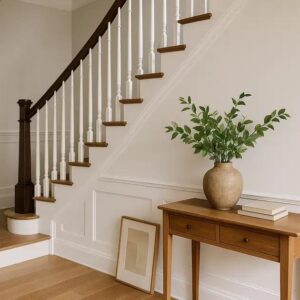
For a timeless look, consider wainscoting—wall panel molding applied to the lower part of the wall combined with chair rails. This classic design adds elegance while protecting walls from wear in high-traffic spaces.
Layering molding styles offers flexibility in design. Using varied widths or profiles within the same wall panels creates a dynamic, custom appearance that reflects personal style while maintaining harmony with traditional architecture.
These creative uses of wall panel molding not only enhance visual interest but also preserve the character of mature homes, blending old-world charm with modern sophistication.
Unlocking the elegance of mature homes with wall panel molding
Wall panel molding offers a timeless and elegant way to transform mature homes with minimal effort and expense. It adds depth, character, and value, making any space feel refreshed and inviting.
Whether you choose classic wood, durable polyurethane, or design your own creative patterns, wall panel molding adapts to various styles and needs. With careful selection of materials and proper installation, you can achieve a stunning look that lasts for years.
Embracing these elegant renovation ideas helps preserve the charm of older homes while bringing in modern touches. This blend of tradition and innovation truly showcases the hidden power of wall panel molding.
FAQ – Common Questions About Wall Panel Molding in Mature Homes
What is wall panel molding and why is it used?
Wall panel molding is a decorative architectural feature that adds depth and elegance to walls. It enhances both plain and ornate walls by introducing texture and visual interest.
Which materials are best for durable wall panel molding?
Common materials include solid wood for a natural look, medium-density fiberboard (MDF) for affordability and smooth finish, and polyurethane for moisture resistance and intricate designs.
Can I install wall panel molding myself?
Yes, with the right tools and careful measuring, you can install wall panel molding yourself by cutting molding strips, applying adhesive, and securing with nails for a professional finish.
How can wall panel molding improve the look of a mature home?
Wall panel molding adds timeless elegance, highlights architectural features, and can be customized with paint or lighting to enhance the room’s style and atmosphere.
What are some creative ways to use wall panel molding in home design?
Creative ideas include creating accent walls with contrasting paint, using wallpaper inside panels, integrating lighting like LED strips, and combining different molding profiles for a custom look.
Does wall panel molding protect walls in high-traffic areas?
Yes, besides adding style, wall panel molding also protects walls from dents and scratches, making it practical for hallways, dining rooms, and other busy spaces.