Lighting is one of the most profoundly transformative elements in contemporary interior design. While furniture selections, high-end surface finishes, and curated décor elements often receive the vast majority of attention during a property renovation, it is the lighting design that ultimately dictates how an entire space feels, behaves, and resonates on an emotional level. A thoughtfully engineered lighting plan can make a room feel significantly larger, warmer, and more luxurious while simultaneously enhancing daily functionality and highlighting the unique architectural features of your home.
By shifting your design perspective away from simply buying pretty decorative lamps and moving toward a holistic, structured approach to light positioning, you can transform your home into an elevated, peaceful sanctuary that shifts effortlessly from a bright, productive workspace by day to a soft, relaxing haven by night.
What Is Architectural Lighting?
Architectural lighting is the highly strategic integration of illumination directly into the physical structure, surfaces, and design envelope of a home. Rather than relying solely on traditional freestanding decorative fixtures like lamps or center close-to-ceiling bowls, this elevated discipline relies heavily on built-in systems to craft a stunning sense of depth, scale, and atmosphere.
Structural Camouflage for Light Sources
The true brilliance of architectural lighting lies in its ability to hide the source of the light itself, allowing only the beautiful, soft glow to remain visible to the human eye. This sophisticated aesthetic is achieved through a combination of precision-engineered techniques:
- Recessed Lighting: Low-profile fixtures hidden deep within the ceiling plane to provide clean, directed pools of light without cluttering the overhead view.
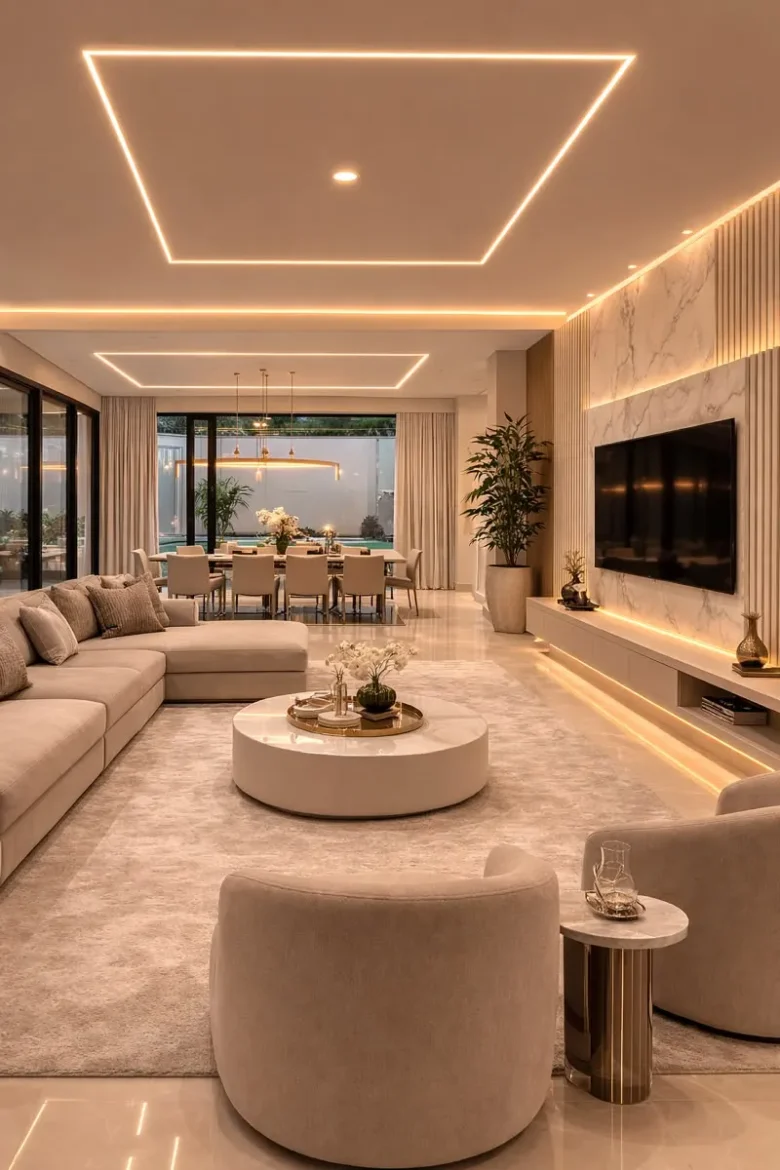
- Cove Lighting: Concealed linear LED systems tucked behind elegant crown moldings or dropped ceiling cornices, casting a soft, indirect glow across the ceiling surface that mimics natural daylight.
- Staircase and Under-Cabinet Illumination: Strips of light hidden beneath the lip of step treads, floating shelves, or upper kitchen cabinetry to eliminate dark shadows and make heavy structures appear to float weightlessly.
- Wall Washing: Fixtures placed precisely near walls to bathe flat surfaces or heavy masonry features in a continuous, even sheet of light, emphasizing rich textures and visually expanding the boundaries of the room.
The ultimate goal of this design methodology is to enhance the unique architectural features of the home itself while establishing a deeply sophisticated, warm, and welcoming interior environment.
Why Lighting Matters in Modern Home Renovations
During a luxury home renovation, lighting design should never be treated as an afterthought or a line item to be figured out at the end of construction. It is a fundamental element that directly influences human mood, psychological comfort, physical visibility, and overall structural aesthetics.
Investing in high-end lighting allows you to highlight premium materials—such as the intricate veining of a Calacatta marble countertop, the rich grain of a custom walnut wardrobe, or the delicate texture of a linen wallcovering—that would otherwise look flat and uninspiring under standard, builder-grade light fixtures.
For homeowners seeking a truly elegant interior, an integrated architectural lighting plan is one of the highest-impact, highest-return design investments available, completely changing the perception of your property’s interior volume and luxury status.
The Definitive Guide to Layered Lighting Design
Professional interior architectural designers never rely on a single, massive overhead light fixture to illuminate a room. Doing so creates a flat, harsh environment with dark corners and unflattering, deep shadows. To establish perfect spatial balance, visual comfort, and flexibility, you must master the art of layered lighting design.
   [ THE LAYERED LIGHTING PYRAMID ]

                 ▲
                / \
               /   \      ACCENT LAYER (Visual Drama, Art, Niches)
              / 10% \
             /───────\
            /         \   TASK LAYER (Functionality, Reading, Prep)
           /    30%    \
          /─────────────\
         /               \ AMBIENT LAYER (Foundation, Comfort, Glow)
        /       60%       \
       /───────────────────\
By dividing your light sources into three distinct, structured layers based on the 60-30-10 design principle, you create a rich tapestry of light that can be customized to suit any mood or time of day.
Ambient Lighting: The 60% Foundation
Ambient lighting serves as the absolute foundation of a room’s lighting plan, providing the consistent, overall illumination required to safely navigate a space. Common architectural solutions for this primary layer include recessed ceiling fixtures, hidden cove lighting systems, sleek flush-mount ceiling lights, and indirect architectural perimeter systems.
To create the most inviting, warm, and high-end residential atmosphere, it is vital to select light bulbs with a warm white color temperature between 2700K and 3000K. Avoid anything higher than 3500K inside residential living spaces, as cool-toned lighting can make a sophisticated home feel like a sterile clinical laboratory or a stark commercial office.
Task Lighting: The 30% Functional Layer
Task lighting focuses direct, high-intensity illumination exactly where it is needed most to support specific daily activities, hobbies, or professional work. Proper task lighting improves physical comfort and visual functionality without disrupting the overall design flow of the surrounding room.
- Culinary Workspaces: Kitchens benefit immensely from bright, continuous under-cabinet linear lighting that directly illuminates countertops for safe food preparation.
- Restorative Spaces: Bedrooms utilize adjustable, focused bedside reading sconces that project light downward, allowing one person to read comfortably without waking their partner.
- Professional Spaces: Home offices rely on dedicated architectural desk lamps that prevent eye strain during long hours of computer work.
Accent Lighting: The 10% Luxury Polish
Accent lighting adds pure visual drama, artistic personality, and architectural style to your home. This layer typically uses focused spotlights, directional track heads, or built-in micro-LEDs to highlight fine artwork, custom bookshelves, majestic stone fireplaces, heavily textured plaster walls, architectural niches, and decorative design accessories.
By directing the human eye exactly where to look, accent lighting creates striking visual focal points throughout the home, contributing significantly to a highly curated, premium luxury aesthetic.
Room-by-Room Architectural Lighting Masterclass
To successfully execute an elegant lighting plan, you must analyze and adapt your lighting choices to meet the unique functional demands and emotional desires of each individual room within your home.
Living Room Lighting
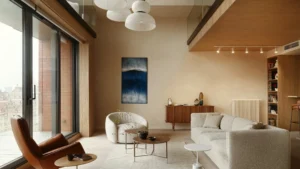
A sophisticated living room must be highly versatile, shifting from a bright, airy space for afternoon social gatherings to a cozy, intimate sanctuary for evening relaxation and movie nights. To achieve this, combine recessed architectural ceiling lighting with an elegant central statement fixture, warm floor lamps in seating corners, tactile table lamps on sideboards, and subtle accent lighting focused on your favorite artwork.
The absolute key to living room luxury is the mandatory installation of dimmer switches across every single lighting layer, allowing you to seamlessly customize the room’s glow as the natural daylight fades outside.
Kitchen Lighting
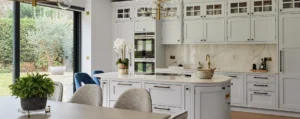
Elegant kitchens require multiple, highly disciplined lighting layers to balance heavy cooking tasks with social entertaining around a central island. Recessed architectural lights provide overall bright ambient illumination across main traffic lanes, while under-cabinet LED strips improve visibility along the work counters.
Above the central island, install a series of matching luxury pendant lights crafted from premium materials to add personal style, character, and an artistic visual anchor. For an extra touch of high-end luxury, incorporate hidden internal lighting inside glass-front display cabinets to showcase your finest glassware and ceramics.
Bedroom Lighting
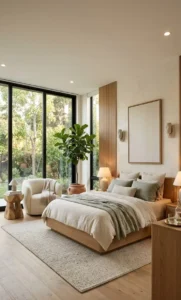
The bedroom should feel like a deeply calm, restorative, and peaceful hotel suite designed to support absolute rest and emotional comfort. To preserve this tranquil atmosphere, entirely avoid placing harsh, bright recessed spotlights directly over the bed structure where they would shine straight into your eyes.
Instead, rely heavily on soft, diffused ambient lighting, built-in hidden cove lighting along the headboard wall, subtle low-level accent lighting, and elegant bedside sconces that cast a warm, downward glow.
Bathroom Lighting
Luxury bathrooms should strike a flawless balance between a highly functional morning preparation space and a tranquil, spa-like evening retreat. To achieve this look, incorporate backlit or side-lit LED vanity mirrors and wall-mounted vanity sconces positioned at eye level; this specific placement evenly illuminates the face, completely eliminating the harsh, aging shadows under the eyes caused by standard overhead ceiling lights.
Complement this setup with low-profile waterproof recessed lighting in the shower enclosure and subtle floor-level niche lighting that can be left on at night for a soft, comforting spa glow.
   [ THE LUXURY VANITY ALIGNMENT ]

            [WALL SCONCE]             [WALL SCONCE]
             (Eye Level)               (Eye Level)
                 │                         │
                 ▼                         ▼
         ┌──────────────┐           ┌──────────────┐
         │  柔 和 光 芒  │           │  柔 和 光 芒  │
         └──────────────┘           └──────────────┘
                       ╲           ╱
                        ▼         ▼
                    ┌─────────────────┐
                    │  PERFECT FACE   │ <--- No harsh shadows under
                    │  ILLUMINATION   │      the eyes or chin.
                    └─────────────────┘
Staircase and Hallway Lighting
Hallways, staircases, and transition corridors are often neglected in standard home design, yet they offer exceptional structural opportunities to create a lasting architectural impact.
By integrating linear LED lighting systems directly into the base of custom stair railings, or recessing small, low-profile wall fixtures just a few inches above each individual step tread, you drastically improve home safety while introducing a striking, futuristic element of sophisticated luxury that guides guests through your property with absolute grace.
Outdoor Architectural Lighting
An elegant lighting plan should never stop at the back door; it should extend your home’s architectural beauty and visual scale far beyond its physical interior walls.
Utilizing strategic path lighting along natural stone trails, landscape uplighting at the base of sculptural trees, subtle under-beam lighting within custom backyard pergolas, and soft wall-washing techniques across your home’s exterior masonry allows you to showcase your home’s architecture after dark, turning your outdoor spaces into a welcoming evening retreat visible from your interior windows.
Timeless Materials and Fixtures for Elegant Homes
When selecting the visible fixtures for your lighting layers, it is essential to prioritize premium, timeless materials that easily outlast passing interior design trends and add authentic textural depth to your rooms:
| Material Profile | Recommended Fixture Application | Design Resonance & Feeling |
| Alabaster & Frosted Glass | Flush mounts, wall sconces, integrated mirror borders. | Softly diffuses raw light, transforming harsh bulbs into a glowing, romantic ambiance. |
| Aged Brass & Champagne Gold | Chandelier frames, reading sconces, hardware accents. | Introduces a refined metal note that pairs beautifully with warm taupe and cream rooms. |
| Woven Linen & Cotton Duck | Oversized dining pendants, classic table lamp shades. | Absorbs excess light reflections while adding an organic, tailored texture to open ceilings. |
| Matte Black & Wrought Iron | Minimalist recessed trim, industrial tracks, exterior paths. | Provides essential geometric contrast, grounding soft, airy monochrome spaces. |
Common Lighting Mistakes to Avoid
To ensure your home lighting design achieves a truly professional, flawless finish, be sure to avoid these widespread interior design pitfalls:
- Relying on a Single Light Source: Expecting a single central ceiling fixture to illuminate an entire room creates a flat, harsh, and cold space that lacks dimension. Always layer your ambient, task, and accent lighting.
- Using Cool-Toned or Blue-Light Bulbs: Using bulbs with a color temperature above 3500K inside your living rooms and bedrooms completely ruins the warm, welcoming, and luxurious feeling of your home décor. Stick to warm whites between 2700K and 3000K.
- Neglecting Dimmers and Smart Controls: Fixed-brightness lighting prevents your rooms from adapting to different times of day. Dimmers are a non-negotiable requirement for adjusting the emotional atmosphere of your home.
- Over-Lighting the Entire Room: A luxury home does not mean a blindingly bright space. True elegance relies on a balance of light and shadow, highlighting important areas while leaving open spaces in a soft, forgiving glow.
- Failing to Coordinate with Furniture Layouts: Placing recessed spotlights before you have finalized your interior floor plan often results in lights being positioned directly over TV screens (causing glare) or behind armchairs (casting awkward shadows). Always align your lighting tracks to match your furniture placement.
Conclusion
Elegant home lighting design is the ultimate intersection of functional practicality and structural beauty. It is the invisible thread that ties your entire interior design theme together, turning a collection of beautiful furniture pieces and premium materials into a cohesive, highly functional, and soul-soothing living experience.
Through a disciplined mastery of layered lighting design, the careful curation of timeless high-end fixtures, and a commitment to thoughtful architectural planning, you can easily banish cold shadows from your environment and unlock the true aesthetic potential of your home, creating a sophisticated sanctuary that feels profoundly warm, luxurious, and welcoming for years to come.
Frequently Asked Questions (FAQs)
Why is a color temperature between 2700K and 3000K highly recommended for residential spaces?
This specific color temperature range closely replicates the warm, golden, and flattering glow of natural late-afternoon sunlight and traditional candlelight. It naturally triggers a sense of relaxation, physical comfort, and emotional safety within the human nervous system. Furthermore, warm light pairs beautifully with soft, sophisticated interior palettes like creams, warm taupes, and natural wood finishes, making spaces feel inviting and expensive rather than cold and industrial.
What is the most effective way to add architectural lighting to an existing home without tearing down walls?
You do not need to undergo heavy, invasive demolition to achieve an architectural look. You can install slim, low-profile linear LED channels directly beneath existing floating shelves, kitchen cabinets, or behind media consoles to create instant depth. Additionally, adding high-quality, plug-in brass wall sconces with hidden cord covers, or utilizing lightweight faux-wood crown moldings designed specifically to conceal indirect LED strip lighting, allows you to gain gorgeous architectural cove effects without opening up your drywall.
How do I calculate how many recessed spotlights a room actually needs to avoid over-lighting?
A professional rule of thumb is to entirely avoid the common mistake of grid-lighting, which involves spacing spotlights evenly across the entire ceiling like a checkerboard. Instead, position recessed lights exclusively where they serve a specific purpose: near a wall to wash it with light, directly above an artwork piece, or over a primary walkway. Keep spotlights spaced approximately 3 to 4 feet away from each other and at least 1.5 feet away from your walls to ensure gentle overlapping pools of light rather than a harsh glare.
Can smart lighting systems help me maintain a sophisticated home environment?
Absolutely. Modern smart lighting controllers allow you to pre-program custom lighting “scenes” tailored to your exact daily lifestyle routines. For example, you can program a “Morning Scene” that slowly raises warm cove lights to ease you into the day, a “Work Scene” that fully activates clear task lighting for maximum productivity, and an “Evening Sanctuary Scene” that dims ambient lights to 20% while highlighting artwork and fire features for effortless winding down. This automation eliminates the need to manually adjust dozens of individual switches every night.
How do I prevent my decorative statement lighting fixtures from competing with my architectural lighting?
Think of your architectural lighting as the quiet, supportive background orchestra and your decorative statement fixture—such as a large crystal or glass chandelier over a formal dining table—as the primary solo performer. Your recessed lights, coves, and under-cabinet strips should do the heavy lifting of softly illuminating the physical space, allowing your large decorative centerpiece to be dimmed low so its silhouette can be appreciated as a striking piece of visual art without blinding your guests.