
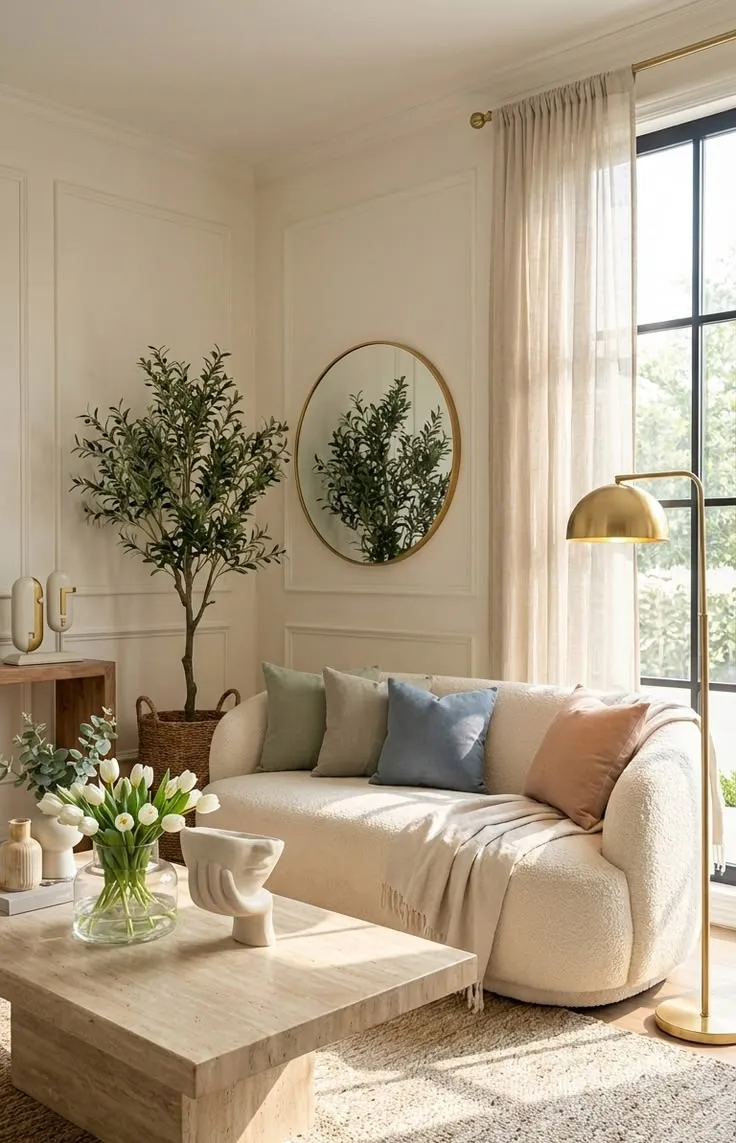
There is a particular kind of restlessness that arrives every year around the same time, usually a few weeks before spring technically begins. The heavy curtains that felt so cozy in January suddenly feel like they are blocking out exactly the light you are craving. The deep, warm throw blankets that made the living room feel like a sanctuary all winter now sit folded in a corner, slightly out of place. It is not that your home has stopped being beautiful. It is that your home, like you, is ready for a change of season, and there is real wisdom in listening to that instinct rather than pushing through it until summer arrives on its own.
A spring refresh is one of the most satisfying decorating projects precisely because it rarely requires a large budget or a long timeline. It is less about renovation and more about editing—removing the layers that served winter so well, introducing lighter textiles and fresher colors, and letting more of the season’s natural light reach the rooms you live in every day. Done thoughtfully, it can transform a home in a single weekend. Done with restraint, it can do so without ever tipping into the kind of seasonal decorating that feels more like a craft store display than a sophisticated, lived-in home.
This guide walks through a complete spring refresh, room by room, with the specific kind of practical detail that makes the difference between a home that simply has a few spring touches scattered around and one that genuinely feels like it has shifted seasons. Expect soft greens and warm blush tones rather than pastel Easter colors, natural textures rather than seasonal clutter, and a level of restraint that keeps everything feeling elegant rather than themed. Let the season in, gently and with intention.
The Philosophy of a Sophisticated Spring Refresh
Before opening a single box of seasonal decor, it helps to set the right intention for this refresh. The difference between an elegant spring home and an overly literal one comes down almost entirely to philosophy rather than budget.
- Lighten, do not theme: A sophisticated spring refresh removes heavy, dark elements and introduces lighter ones; it does not introduce bunnies, eggs, or literal floral mascots. The feeling of spring should come through color, texture, and light, not through seasonal iconography.
- Edit before you add: The single highest-impact step in any seasonal refresh is removing what no longer belongs—the heavy faux fur throws, the dark moody candles, the dense layered rugs—before bringing in anything new. A room edited down to its essentials almost always looks more elegant than one simply layered with more.
- Let nature do most of the work: Fresh flowers, branches, and greenery deliver more authentic seasonal warmth than almost any manufactured decor item, and they have the added benefit of changing and evolving throughout the season rather than sitting static.
- Keep one foot in your existing style: A genuine refresh complements the home you have already built rather than overriding it for a few months. If your home leans warm and earthy, spring should look like a lighter version of that, not an entirely different aesthetic borrowed from somewhere else.
The Spring Color Palette: Soft, Warm, Never Pastel-Sweet
The colors most associated with spring in mainstream decorating—pale pink, baby blue, mint green—can very quickly tip a sophisticated home into looking like a nursery or a seasonal display. The far more elegant approach borrows the feeling of spring (new growth, soft light, gentle warmth) while staying within a more grown-up, grounded palette.
| Color Family | Why It Reads as Elegant Spring, Not Easter |
| Soft sage and olive green | Echoes new leaves and herbs without the sweetness of mint or pastel green |
| Warm blush and dusty rose | Reads as sophisticated and floral-adjacent without being literally pink |
| Warm cream and oatmeal | Lightens a room significantly while staying grounded and neutral |
| Soft golden brass | Adds warmth and light-catching shine that pairs beautifully with greenery |
| Muted terracotta | Carries the earthiness of the existing home into the lighter season |
Room-by-Room Spring Decorating Guide
Living Room: Let the Light Back In
The living room typically carries the heaviest winter layering of any room in the home, which makes it the space where a spring refresh delivers the most dramatic and satisfying transformation.
- Swap heavy curtains for lighter linen panels: If your budget allows for only one spring purchase, make it this one. Replacing thick blackout or velvet curtains with airy, light-filtering linen in a warm cream or soft sage instantly changes how much natural light fills the room throughout the day.
- Rotate out the heaviest textiles: Pack away the thickest faux fur throws and the densest knit blankets in favor of lighter cotton or linen throws in warm neutral or soft sage tones. Keep one heavier throw on hand for cooler spring evenings, but let it recede into the background rather than dominate the sofa.
- Introduce a single substantial vase of branches or early blooms: Flowering branches such as cherry blossom, magnolia, or quince bring genuine seasonal presence and height to a room in a way that a small vase of flowers cannot. A single large, dramatic branch arrangement reads as considerably more elegant than several small floral touches scattered around.
- Lighten the coffee table styling: Replace heavier winter objects, dark candles, and dense books with a lighter arrangement: a ceramic bowl of citrus, a single trailing plant, or a stack of lighter-toned books. Negative space itself starts to feel more appropriate as the season lightens.
Designer’s Note: If new curtains are not in the budget this season, simply opening existing curtains fully during the day and adding one warm-toned sheer panel behind them can mimic much of the same lightening effect for a fraction of the cost.
Kitchen and Dining: Fresh, Bright, Lived-In
The kitchen and dining area respond beautifully to spring because they are naturally tied to the season’s produce and rhythms—fresh herbs, citrus, and the return of outdoor entertaining—making this one of the most intuitive rooms to refresh.
- Bring fresh herbs into view: A small grouping of potted herbs like basil, mint, and rosemary on a windowsill or counter does more for a kitchen’s spring feeling than almost any decorative object, while being genuinely useful in cooking.
- Swap the table runner and napkins: Trade heavier winter linens for a lighter table runner in soft sage, oatmeal, or warm blush, paired with simple white or cream napkins. This single swap transforms the entire feeling of the dining table in minutes.
- Display seasonal produce as decor: A wide, shallow bowl of lemons or a cluster of artichokes on the counter does double duty as genuine seasonal styling and as food you will actually use, which is the most practical kind of decorating there is.
- Open the room with lighter dinnerware: If your everyday dishes lean dark or heavy, consider rotating in a lighter cream or pale stoneware set for the season, even temporarily. Lighter dishware feels noticeably fresher on a spring table.
Bedroom: A Softer, Lighter Retreat
The bedroom is where the seasonal shift can feel most personally significant, since it is the room where heavy winter bedding has likely been doing real comfort work for months and may genuinely feel like too much once spring arrives.
- Layer down the bedding gradually: Rather than stripping the bed to a single light sheet immediately, remove one heavy layer at a time—the thick wool blanket first, then the heaviest duvet insert—replacing them with a lighter quilt or a lower-fill duvet in a soft, warm-neutral cover.
- Introduce one fresh textile moment: A new set of linen pillowcases in a soft sage or warm blush, or a woven throw at the foot of the bed, can refresh the entire feeling of the room without requiring a full bedding replacement.
- Add a small vase on the nightstand: A small, simple arrangement of garden roses, ranunculus, or anemones on a nightstand brings a genuinely personal, seasonal touch to the most intimate room in the home.
- Let morning light back in: If blackout curtains have been essential through winter’s darker mornings, consider a lighter curtain liner for spring that still offers privacy and some light control while allowing more of the season’s earlier sunrise to filter through naturally.
Entryway: The First Impression of the Season
The entryway sets the tone for a guest’s entire experience of the home, and a small, well-considered spring update here signals the seasonal shift immediately upon arrival.
- Replace the door wreath or swag thoughtfully: A simple, loosely gathered eucalyptus or olive branch wreath reads as considerably more sophisticated than a literal floral spring wreath, while still clearly marking the season.
- Add a seasonal scent at the door: A diffuser or lightly scented candle in a green, citrus, or fresh linen fragrance creates an immediate sensory association with the season for anyone entering the home.
- Swap the entry rug for a lighter weave: A thick winter rug at the door can be replaced with a flatter, lighter woven rug in natural fiber tones, which is both practically appropriate for muddier spring shoes and visually lighter.
- Introduce a single fresh bloom by the door: One simple vase with a small, seasonal arrangement on an entryway table does more to announce the season than a more elaborate display, and it is far easier to keep fresh and well-maintained.
Quick Reference: A Weekend Spring Refresh Checklist
| Room | Remove | Add |
| Living Room | Heavy curtains, dense throws, dark candles | Linen curtains, branch arrangement, lighter throw |
| Kitchen / Dining | Heavy table linens, winter dinnerware | Fresh herbs, citrus bowl, lighter table runner |
| Bedroom | Wool blankets, heaviest duvet layer | Linen pillowcases, small fresh flowers, lighter quilt |
| Entryway | Winter wreath, heavy door rug | Eucalyptus wreath, light woven rug, fresh bloom |
Common Mistakes That Undermine an Elegant Spring Refresh
- Going too literal with spring iconography: Bunnies, pastel eggs, and overtly themed decor immediately shift a home from elegant seasonal styling toward a seasonal craft display. Let color and texture carry the message instead.
- Adding without editing first: Layering new spring decor on top of a room still full of winter’s heaviest textiles creates visual clutter rather than a clean seasonal shift. Always remove before adding.
- Choosing scent too aggressively: A heavily floral candle in every room can quickly become overwhelming. One well-chosen scent at the entry is usually enough to set a seasonal tone for the whole home.
- Forgetting that flowers need maintenance: Wilted or browning flowers undo the entire effect of a fresh seasonal refresh almost immediately. Commit to refreshing cut flowers at least once a week, or lean on hardy potted greenery instead.
- Overspending on items that only work for one season: The most sustainable spring refresh relies primarily on textiles, colors, and arrangements that can transition into summer as well, rather than single-season purchases that will sit unused for the rest of the year.
Conclusion
A spring refresh, done well, is less about decorating for a season and more about responding honestly to how your home actually feels after months of winter layering. Lighter curtains, fewer heavy textiles, a single dramatic branch arrangement, and fresh herbs on the counter are small, achievable changes that add up to a home that genuinely feels different to walk into, without ever losing the sophistication you have built into the space the rest of the year.
Start with the edit, removing the heaviest winter elements before adding anything new. Let natural light, fresh greenery, and a softened color palette do most of the work. Trust that the most elegant spring homes are rarely the most decorated ones; they are the ones that simply feel lighter, fresher, and a little more alive.
Frequently Asked Questions
What is the single most affordable way to make a home feel like spring?
A fresh vase of branches or seasonal flowers, combined with simply opening curtains fully during the day and removing one or two of the heaviest winter textiles from visible surfaces, delivers a noticeable seasonal shift for very little to no cost at all.
How do I do a spring refresh without it looking like an Easter display?
Stay within a grounded, warm-toned palette—sage, blush, cream, brass—rather than true pastels, and avoid literal seasonal iconography such as bunnies or eggs. Let texture, light, and greenery communicate the season instead of decorative motifs.
What should I do with my heavy winter textiles once I pack them away?
Store them in breathable cotton storage bags rather than plastic, ideally with a cedar block or lavender sachet to deter moths, in a cool, dry space such as a closet shelf or under-bed storage container. This keeps them in excellent condition for their return in the fall.
How often should I replace fresh flowers during a spring refresh?
Most cut flower arrangements stay fresh and attractive for five to seven days with proper care, including a clean vase, fresh water changed every two to three days, and trimmed stems. Plan to refresh weekly, or choose hardier seasonal options such as ranunculus and ranunculus-adjacent blooms, which tend to last slightly longer than more delicate varieties.
Can a spring refresh work in a home with a more traditional or formal style?
Absolutely, and often beautifully. A formal home can lean into the lighter, brighter qualities of spring through fresh florals in classic arrangements, lighter-weight silk or linen drapery, and a slightly softened color palette, all while maintaining its existing formal structure and furniture. The refresh adapts to the home’s existing style rather than requiring the home to adapt to a particular seasonal aesthetic.