Have you noticed your older golden retriever squinting or bumping into furniture more often? Glaucoma in senior golden retrievers signs can be tricky to spot early but are crucial to catch. Vision loss in dogs sneaks up quietly, and the sooner you recognize the warning signs, the better chance your furry friend has of keeping their eyesight.
Many pet owners don’t realize glaucoma is a silent threat lurking in senior dogs. It’s like a slow leak in a tire — if left unnoticed, it leads to bigger problems. Watching for these signs gives you a heads-up to act quickly and get support from your vet.
In this article, you’ll discover the key symptoms to monitor and what steps can help protect your golden retriever’s vision before things escalate. Ready to learn what to look for? Let’s dive in.
Understanding glaucoma in senior golden retrievers
Glaucoma is a serious eye condition that occurs when the pressure inside a dog’s eye increases, causing damage to the optic nerve. This condition is especially common in senior golden retrievers, who are more prone to developing eye problems as they age. When the fluid that normally drains from the eye builds up, it raises intraocular pressure, leading to painful symptoms and potential vision loss.
Understanding the risks is crucial. Senior golden retrievers may not immediately show clear signs of discomfort, which can make early detection challenging. Without prompt treatment, glaucoma can progress rapidly and cause permanent blindness.
Veterinarians stress the importance of regular eye check-ups for aging dogs. A thorough eye exam can measure intraocular pressure and uncover early glaucoma before severe damage occurs. Often, this involves using tonometry, a painless method to gauge eye pressure.
Besides age, genetics can play a role—some golden retrievers have a hereditary predisposition to glaucoma. Being aware of your pet’s family history helps in assessing risk. Aside from raised pressure, the disease may present with redness, cloudiness in the eye, or watering.
Early recognition and understanding of glaucoma in senior golden retrievers can save your dog’s vision. Owners should be alert to subtle changes and consult their vet promptly for evaluation. Proper diagnosis enables timely interventions to reduce pressure and protect eyesight.
Common signs to watch for
Recognizing common signs of glaucoma in senior golden retrievers is vital to protect their vision. While the symptoms can vary, early detection makes treatment more effective and less stressful for your pet.
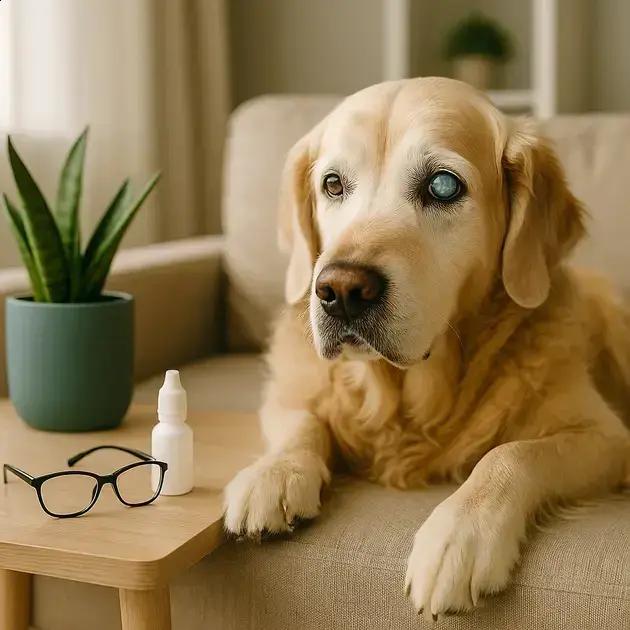
One of the earliest signs is a noticeable change in the eye’s appearance. The affected eye may look cloudy or have a bluish-gray tint. This cloudiness indicates increased pressure inside the eye affecting the cornea.
Other typical signs include excessive tearing or discharge, which happens as the eye attempts to relieve discomfort. You might also observe that your dog is squinting or keeping the eye partially closed due to pain or irritation.
Behavioral changes can also signal glaucoma. Senior golden retrievers might seem more sensitive to light or shy away from bright environments. They may bump into objects more frequently, indicating difficulty with vision.
Redness around the eye is another clear sign, caused by inflammation from increased eye pressure. Along with that, swelling or enlargement of the eye can occur in advanced stages.
It’s important to watch for signs such as the dog pawing or rubbing at the eyes, which often hints at discomfort or pain. If you notice any of these signs, it’s essential to consult with a veterinarian promptly to assess eye health and begin necessary treatment.
How to monitor your golden retriever’s eye health
Monitoring your golden retriever’s eye health regularly is essential, especially as they enter their senior years. Vigilance can help catch glaucoma symptoms early, improving your dog’s chances of maintaining good vision.
Start with daily observations. Look closely for any changes in your dog’s eyes, like cloudiness, redness, or unusual discharge. Pay attention to behaviors such as squinting, pawing at the eye, or bumping into objects, which may suggest vision problems.
Scheduling routine veterinary eye exams is crucial. Veterinarians use specialized tools such as tonometers to measure eye pressure, which is the most reliable way to detect glaucoma early. Typically, senior dogs should have their eyes checked at least once a year, or more often if they’ve had previous eye issues.
Maintaining a gentle cleaning routine can also help. Use a clean, damp cloth (with water only) to wipe away any debris around the eyes. Avoid any over-the-counter products unless recommended by your vet.
Track any changes over time. Keeping a simple journal noting changes in your dog’s eyes or behaviors can provide valuable information during veterinary visits. This may include the date of first symptoms or any noticeable improvements or worsening.
Finally, be aware of breed-specific risks. Golden retrievers may have a genetic predisposition to glaucoma. Discuss your dog’s family history with your vet to develop a tailored monitoring plan.
Treatment options and when to seek help
Treatment for glaucoma in senior golden retrievers aims to reduce the pressure inside the eye and prevent vision loss. Early intervention is key, so knowing when to seek help can make a significant difference in your dog’s quality of life.
Medical treatments usually involve prescription eye drops that lower intraocular pressure. These drops work by either decreasing fluid production or improving drainage. Your veterinarian will provide specific instructions on administering these medications, which must be given consistently to be effective.
In some cases, oral medications may be prescribed alongside eye drops to help control the pressure. It’s crucial to monitor your dog closely during treatment, as side effects can occur, and adjustments to the medication might be needed.
When medication is not enough or if glaucoma has caused severe damage, surgical options might be considered. Common procedures include laser surgery to improve fluid drainage or filtering surgeries. These are performed by veterinary ophthalmologists and require careful evaluation before proceeding.
Recognizing the right time to seek veterinary help involves observing symptoms like persistent eye pain, redness, cloudiness, or sudden blindness. Immediate medical attention can prevent worsening and provide relief.
Regular follow-ups after diagnosis and during treatment are essential. Your vet will monitor intraocular pressure, assess your dog’s comfort, and modify treatment plans as needed to manage the condition effectively.
Protecting Your Senior Golden Retriever’s Vision
Glaucoma can be a silent and painful condition for senior golden retrievers, but early detection and treatment can make a huge difference. By watching for common signs, monitoring your dog’s eye health closely, and seeking veterinary help promptly, you can help preserve their sight and comfort.
Regular veterinary check-ups and following recommended treatment plans are essential to managing glaucoma effectively. Remember, your attentive care and quick action can greatly improve your golden retriever’s quality of life as they age.
Stay informed, stay vigilant, and give your loyal companion the best chance to enjoy clear vision and happy days ahead.
FAQ – Common Questions About Glaucoma in Senior Golden Retrievers
What is glaucoma in senior golden retrievers?
Glaucoma is an eye condition where increased pressure inside the eye damages the optic nerve, leading to pain and possible vision loss.
What are the early signs of glaucoma in golden retrievers?
Early signs include cloudiness in the eye, redness, excessive tearing, squinting, and changes in behavior such as bumping into objects.
How often should I have my senior golden retriever’s eyes checked?
It is recommended to have a veterinary eye exam at least once a year, or more frequently if your dog has a history of eye problems.
Can glaucoma be treated in senior golden retrievers?
Yes, treatments include prescription eye drops to reduce eye pressure, oral medications, and in some cases, surgery to prevent vision loss.
When should I seek veterinary help for my dog’s eye health?
Seek help if you notice symptoms like persistent eye redness, cloudiness, pain, or sudden vision changes to ensure timely diagnosis and treatment.
How can I monitor my golden retriever’s eye health at home?
Regularly observe your dog’s eyes for any changes, keep them clean with a damp cloth, note any behaviors that suggest vision problems, and maintain routine vet check-ups.