Have you noticed your golden retriever slowing down as they age? It’s a common challenge many pet owners face. Exercise for senior golden retrievers plays a crucial role in keeping them healthy and happy despite their golden years.
Older dogs need carefully chosen activities that protect fragile joints while stimulating their muscles and minds. This balance helps maintain their quality of life and prevent common issues like stiffness or obesity.
In the following sections, you’ll find practical tips and low-impact exercise ideas tailored to seniors. Ready to see your furry friend regain vitality? Let’s dive in.
Understanding the needs of senior golden retrievers
Senior Golden Retrievers have unique needs that differ significantly from those of younger dogs. As they age, their bodies undergo changes that affect their mobility, energy levels, and overall health. Recognizing these changes is essential to provide the right care and ensure they remain comfortable and active.
One major factor to consider is joint health. Many senior dogs face arthritis and stiffness, which can make high-impact activities painful. Their muscles may weaken, and their endurance naturally decreases, so their exercise routine must be adapted accordingly. Additionally, older Golden Retrievers may have sensitive hearts and lungs, requiring gentler forms of exercise to avoid overexertion.
Nutrition also plays a critical role in supporting aging dogs. A diet rich in antioxidants, omega fatty acids, and appropriate caloric intake can help manage weight and support joint function. Regular veterinary check-ups are indispensable; they help track age-related issues early, allowing for timely interventions.
Behavioral and Emotional Considerations
As senior dogs age, their behavior may change—they can become less playful or more anxious. Patience and gentle encouragement help them stay engaged without causing stress. Monitoring for signs like reluctance to move or changes in appetite can alert you to health problems that need addressing.
Understanding these needs enables you to tailor your dog’s exercise and care plans. It’s about finding the right balance between activity and rest to maintain their quality of life as they age gracefully.
Safe low-impact exercises for aging dogs
Choosing the right exercises for senior Golden Retrievers is crucial to protect their joints and overall health. Low-impact activities help maintain mobility without causing pain or injury. These exercises focus on gentle movements that improve circulation, flexibility, and muscle strength.
Walking is one of the safest and most beneficial exercises. It keeps your dog active and engaged without putting too much stress on their joints. Short, frequent walks are better than long ones, allowing your dog to rest as needed.
Examples of safe low-impact exercises include:
- Swimming – Provides full-body conditioning while minimizing joint strain.
- Controlled fetch games – Use soft toys to encourage gentle movement.
- Slow-paced leash walks – Uphold steady, manageable distances.
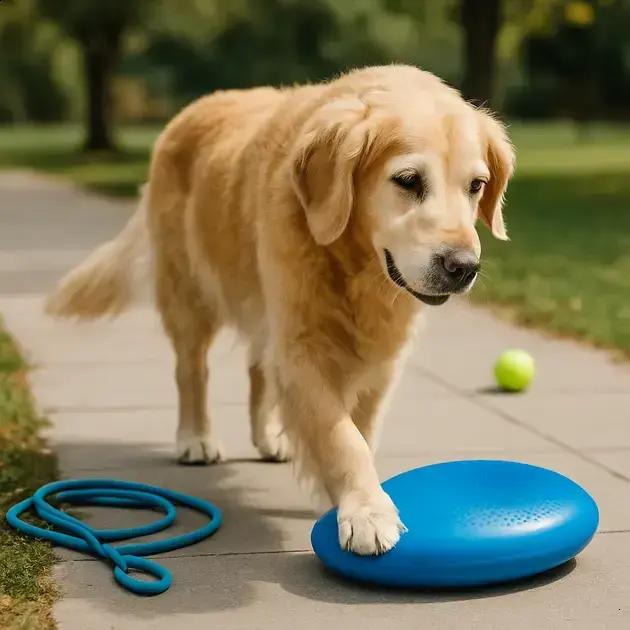
- Balance exercises – Such as standing on soft surfaces like cushions to enhance core strength.
Before starting any new routine, consult your veterinarian to tailor exercises to your dog’s health status. Monitoring your dog’s response during activity is important; watch for signs like limping, excessive panting, or reluctance to move. Adjust the exercise intensity accordingly to keep it safe and beneficial.
Tips to encourage regular activity without strain
Encouraging regular activity for senior Golden Retrievers requires patience and understanding of their limits. Creating a routine that fits their energy levels helps keep them engaged without causing stress or injury. Consistency is key, but flexibility is just as important to accommodate their changing needs.
Start by incorporating gentle play sessions throughout the day instead of one long exercise time. This approach reduces fatigue and keeps your dog motivated. Using toys or treats can make activities more enjoyable and rewarding, fostering positive associations with movement.
Helpful tips to maintain regular, strain-free activity include:
- Choose soft, non-slip surfaces to prevent injuries during walks or play.
- Schedule exercise during cooler parts of the day to avoid overheating.
- Monitor your dog’s behavior closely for signs of fatigue or discomfort.
- Alter exercises to suit your dog’s mood and health on a given day.
- Provide plenty of fresh water and rest periods between activities.
It’s beneficial to work with a veterinarian or a canine physiotherapist. They can suggest customized activities and adjustments based on your dog’s health status. Remember, the goal is to keep your senior Golden Retriever active in a way that feels safe and enjoyable.
Monitoring health during and after exercise
Monitoring your senior Golden Retriever’s health during and after exercise is essential to ensure their well-being and prevent injury. Older dogs may not always show obvious signs of discomfort, so careful observation is key to catching any issues early.
Watch for changes in breathing patterns, such as heavy panting or wheezing, which can signal overexertion or underlying health problems. Your dog’s gait should also be smooth and even. Limping, stiffness, or reluctance to move may indicate joint pain or muscle strain that requires attention.
Post-exercise care is just as important:
Allow your dog to rest in a shaded, comfortable area with access to fresh water. Gentle stretching can help ease muscle tension. Keeping a journal of exercise routines and any unusual symptoms helps track your dog’s progress and aids veterinary consultations.
If you notice persistent coughing, swelling, fatigue beyond normal tiredness, or behavioral changes like irritability or decreased appetite, consult your veterinarian promptly. Early intervention can improve outcomes and maintain your dog’s quality of life.
Keeping Your Senior Golden Retriever Active and Healthy
Regular, low-impact exercise is vital for senior Golden Retrievers to stay mobile and enjoy a good quality of life. Tailoring activities to their specific needs helps protect their joints and overall health.
By carefully monitoring their responses during and after exercise, you can make necessary adjustments that keep them comfortable and safe. Encouraging gentle, consistent movement supports their physical and emotional well-being.
With patience and care, you can help your loyal companion stay moving and thriving throughout their golden years.
FAQ – Common Questions About Exercise for Senior Golden Retrievers
What types of exercise are best for senior Golden Retrievers?
Low-impact activities like walking, swimming, and gentle play are best to protect their joints and maintain mobility.
How often should my senior Golden Retriever exercise?
Short, frequent sessions throughout the day are ideal to keep them active without causing fatigue or strain.
How can I tell if my senior dog is overexercising?
Watch for signs like heavy panting, limping, stiffness, or reluctance to move. These indicate that you should reduce activity or consult a vet.
Should I consult a veterinarian before starting an exercise routine?
Yes, a veterinarian can provide tailored advice based on your dog’s health and help design a safe exercise plan.
What precautions should I take during outdoor exercise?
Exercise during cooler times of day, use non-slip surfaces, provide fresh water, and monitor for any signs of discomfort.
How can I encourage my senior Golden Retriever to stay active?
Incorporate gentle play, use treats or toys as motivation, create a consistent routine, and always be patient and attentive to their needs.