
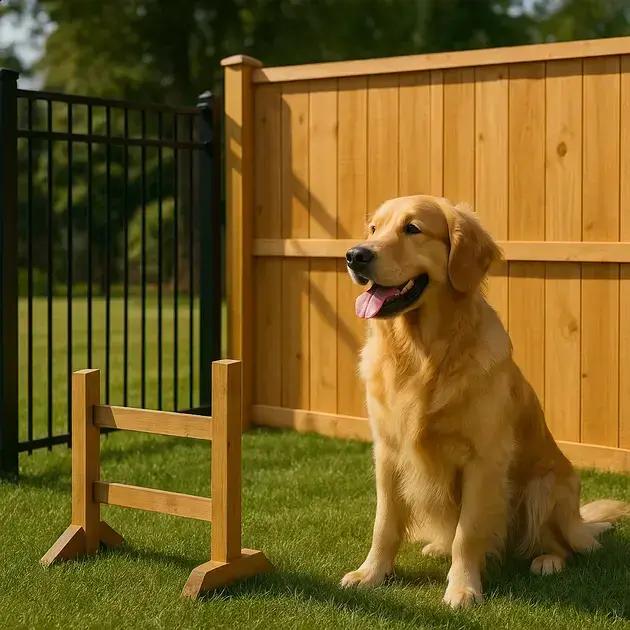
Ever worried about your golden retriever slipping out of the yard? Keeping them safe while giving enough room to play is a delicate balance many dog owners face. The right fence can make all the difference.
Choosing the best fence isn’t just about height or style—it’s about understanding your dog’s behavior and your backyard’s layout. Golden retrievers are active, curious, and sometimes pretty clever escape artists!
In this guide, I’ll walk you through the best backyard fences for golden retrievers that offer both security and freedom, helping you pick the perfect option without guesswork.
Understanding golden retrievers’ fencing needs
Golden retrievers are known for their friendly nature, high energy, and strong curiosity. Understanding these traits is essential when choosing the right backyard fence. They tend to roam and explore, so a fence must be sturdy enough to keep them secure without restricting their playful spirit.
Height and strength are crucial factors. Golden retrievers can jump or push against weak barriers, so fences typically should be at least six feet tall and made from durable materials that resist chewing and scratching.
Another important consideration is the fence’s design. Open spaces or gaps can tempt a golden retriever to squeeze through or dig underneath. Solid panel fences or tightly woven mesh are popular to prevent escapes.
Remember that these dogs are social and may bark or become anxious with a visual barrier to neighbors and other pets. Sometimes, a partially see-through fence can help reduce stress by allowing them to observe their surroundings safely.
Environmental aspects also matter. If your yard has slopes, holes, or other potential escape routes, the fence installation should include measures to secure these areas. Additionally, considering the local climate helps choose materials that withstand weather changes and maintain integrity over time.
Materials and styles that work best for backyards
Choosing the right materials and styles for backyard fences is essential to keep your golden retriever both safe and happy. Durability and safety are top priorities because golden retrievers are active dogs that can chew, jump, and push against fences.
Wood fences are popular for their natural look and strength. They provide a solid barrier that minimizes gaps, reducing the chance of your dog slipping through. However, wood requires regular maintenance to prevent rot or damage from chewing. Vinyl fences offer a low-maintenance alternative with similar durability and are resistant to weather and pests.
Chain-link fences are another common choice. They are sturdy and cost-effective, but often don’t provide the visual privacy dogs may need to reduce anxiety. To improve this, some owners add slats or privacy screens. Wrought iron fences look elegant and are strong, but they often have wide gaps, so adding a mesh panel inside is necessary for safety.
Mesh and electric fences are also used for containment. Mesh fencing can be installed low to the ground to prevent digging, while invisible electric fences rely on collars to keep dogs inside boundaries. However, electric fences don’t offer a physical barrier and might not be suitable for all dogs or neighborhoods.
When deciding on style, consider the aesthetics of your backyard, your dog’s behavior, and any local regulations. A combination of materials and add-ons often creates the best solution for both security and your golden retriever’s happiness.
Installation tips for a secure and durable fence
Installing a secure and durable fence for your golden retriever involves planning and careful execution. The first step is selecting a location that offers enough space for your dog to play comfortably while minimizing weak spots like uneven ground or gaps near trees and structures.
Proper post installation is key to fence stability. Posts should be set deep into the ground, typically at least two feet, and anchored with concrete to withstand pressure from active dogs. Ensuring the posts are perfectly vertical and evenly spaced enhances the fence’s overall strength.
Using high-quality materials that resist weather and wear is essential. For wooden fences, use treated lumber to prevent rot. If you choose metal or vinyl, check for rust resistance and UV protection to maintain appearance and durability over time.
Adding a lower barrier, such as a buried mesh or concrete footer, helps prevent your dog from digging under the fence. Monitoring the perimeter for any loose panels or holes regularly keeps the fence effective and safe.
Tools and safety equipment needed for installation include a post hole digger, level, measuring tape, concrete mix, and protective gloves. Taking your time to measure accurately and follow manufacturer instructions ensures a secure fit and reduces maintenance later.
Some practical tips include starting with a detailed plan, considering local regulations, and hiring professionals if you’re unsure about DIY installation. A well-installed fence provides peace of mind, knowing your golden retriever can roam freely and safely.
Maintenance and safety considerations for long-term use
Maintaining your backyard fence is essential to ensure it remains secure and safe for your golden retriever over time. Regular inspection helps catch small issues like loose panels, rust spots, or damaged boards before they become bigger problems.
Routine cleaning and repairs can significantly extend the fence’s lifespan. For wooden fences, apply weather-resistant sealants or stains annually to protect against moisture and pests. Vinyl fences benefit from occasional washing to remove dirt and mildew, keeping them looking new.
Another key factor is monitoring the fence for signs of wear caused by your dog’s behavior. Chewing or scratching can weaken specific areas, so reinforce these spots promptly to prevent escapes or injuries.
Safety considerations include ensuring fence height remains adequate as your golden retriever grows or becomes more agile. Also, check for gaps at the bottom or between panels where your dog might try to squeeze through.
Using non-toxic paints and treatments is crucial since your pet will be in close contact with the fence. Avoid harsh chemicals that could harm your dog’s skin or respiratory system.
Lastly, keep the surrounding yard clear of materials or objects your dog could use to climb or dig under the fence. Maintaining a tidy environment complements the fence’s security efforts and promotes a safe play area.
Securing a Safe and Happy Backyard for Your Golden Retriever
Choosing the right fence and maintaining it properly ensures your golden retriever has a safe space to play and explore. Understanding your dog’s needs and behavior helps in selecting a fence that is both secure and comfortable.
Regular maintenance and attention to safety details keep the fence strong and durable, giving you peace of mind. With the right fence, your golden retriever can enjoy the freedom of the outdoors while staying protected.
Investing time and care into your backyard fence is a valuable step toward happy, secure playtime for your beloved pet.
FAQ – Common Questions About Backyard Fences for Golden Retrievers
What height should a backyard fence be for a golden retriever?
A backyard fence for a golden retriever should be at least six feet tall to prevent them from jumping over it.
Which materials are best for fences to keep golden retrievers secure?
Durable materials like wood, vinyl, chain-link with privacy additions, or wrought iron with mesh panels are ideal for securing golden retrievers.
How often should I maintain or inspect my backyard fence?
You should inspect your fence regularly, ideally every few months, to check for loose panels, damage, or wear that could allow your dog to escape.
Can electric fences alone keep my golden retriever safe in the yard?
Electric fences provide boundary training but don’t offer a physical barrier, so they should be used with caution and not as the sole solution for containment.
What are some safety tips for preventing my golden retriever from escaping?
Ensure fence posts are anchored securely, add barriers to prevent digging, regularly check for gaps, and use non-toxic materials to protect your dog’s health.
Is it better to hire professionals for fence installation?
If you are unsure about the installation process, hiring professionals can ensure the fence is securely installed and meets safety standards for your dog’s protection.