

Mealtime represents one of the most important and enjoyable aspects of daily life for Golden Retrievers, but creating appealing meal experiences becomes increasingly challenging as dogs enter their senior years. Age-related changes in taste, smell, dental health, and appetite can transform previously enthusiastic eaters into reluctant diners, requiring creative approaches to maintain nutrition and dining …

Creating consistent daily comfort routines becomes essential as Golden Retrievers enter their senior years, providing structure, security, and enhanced quality of life during this important life stage. Well-designed comfort routines address the unique needs of aging dogs while supporting their physical well-being, emotional stability, and continued enjoyment of daily activities. Senior Golden Retrievers thrive on …

Maintaining proper hygiene becomes increasingly challenging yet critically important as Golden Retrievers enter their senior years. Age-related changes in mobility, skin condition, and overall health create unique hygiene challenges that require modified approaches and increased attention to prevent discomfort, infections, and quality of life deterioration. Senior Golden Retrievers may struggle with self-grooming due to arthritis, …

Palliative care represents a compassionate approach to managing terminal conditions in senior Golden Retrievers, focusing on comfort, dignity, and quality of life rather than curative treatments. This specialized care philosophy acknowledges that some conditions cannot be cured while emphasizing that much can still be done to ensure peace, comfort, and meaningful time with beloved companions …

Kidney disease represents one of the most common and serious health challenges facing senior Golden Retrievers, affecting up to 10% of dogs over seven years of age. The kidneys play crucial roles in filtering waste products, regulating blood pressure, maintaining electrolyte balance, and producing hormones essential for red blood cell production and bone health. Early …
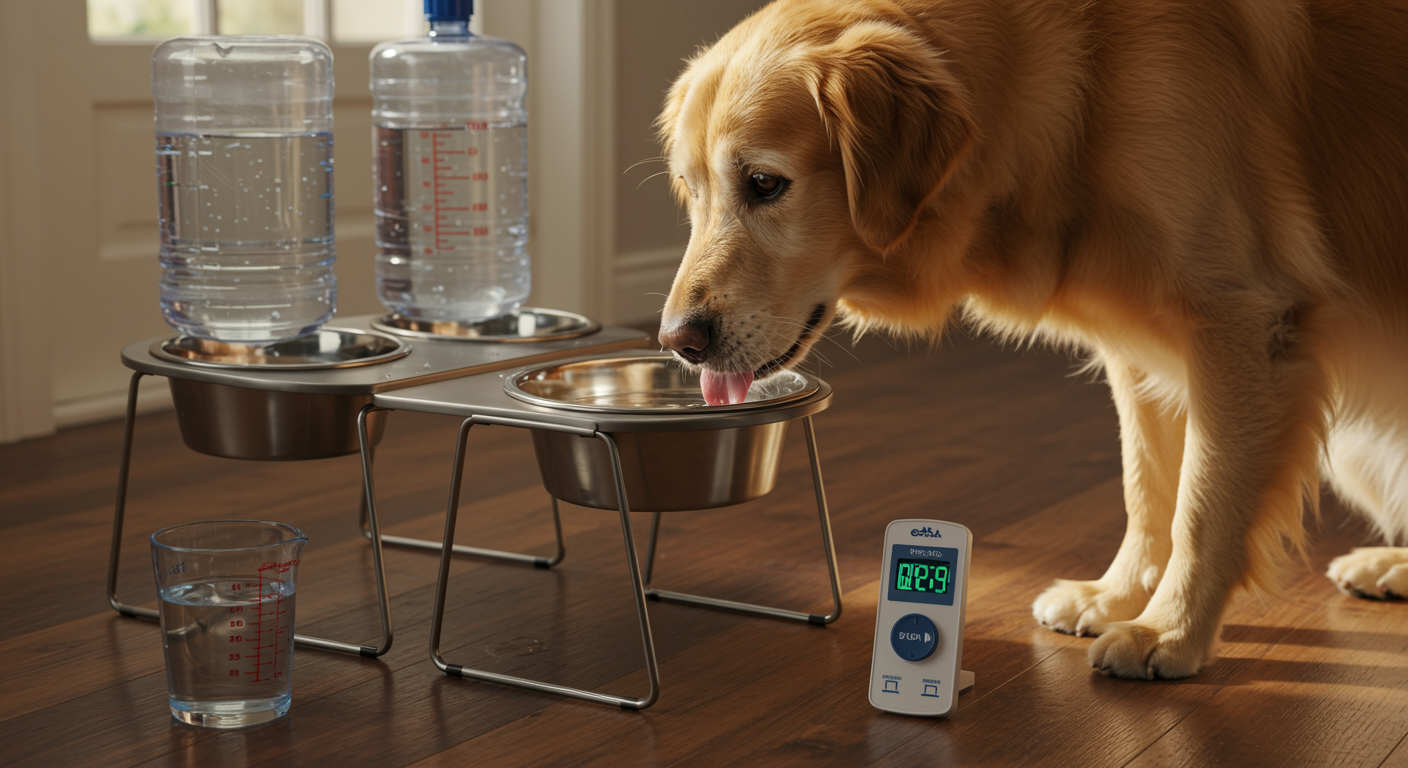
Dehydration represents one of the most serious yet often overlooked health risks facing senior Golden Retrievers. As dogs age, their bodies become less efficient at regulating fluid balance, making them increasingly susceptible to dehydration-related complications that can rapidly become life-threatening if not promptly recognized and addressed. Senior Golden Retrievers face unique challenges in maintaining proper …

Maintaining optimal body weight becomes increasingly challenging yet critically important as Golden Retrievers enter their senior years. Weight management in aging dogs requires a delicate balance between providing adequate nutrition for health maintenance while preventing obesity-related complications that can significantly impact quality of life and longevity. Senior Golden Retrievers face unique metabolic changes, reduced activity …

Proper nail and paw pad care becomes increasingly critical as Golden Retrievers age, yet it remains one of the most overlooked aspects of senior dog health maintenance. Senior Golden Retrievers face unique challenges related to mobility, circulation, and general health that directly impact their paw health and overall comfort. As dogs age, their activity levels …

As our beloved Golden Retrievers enter their senior years, typically around 7-8 years of age, their digestive systems undergo significant changes that require careful attention and understanding. Senior Golden Retrievers are particularly susceptible to various digestive complications due to their breed characteristics, reduced metabolism, and age-related physiological changes. Understanding these digestive challenges is crucial for …

As Golden Retrievers gracefully transition into their senior years, their comfort, mobility, and overall quality of life become increasingly dependent on thoughtful environmental adaptations. Among these, choosing the perfect bed stands out as one of the most impactful decisions owners can make. For an aging Golden Retriever, a bed is more than just a place …