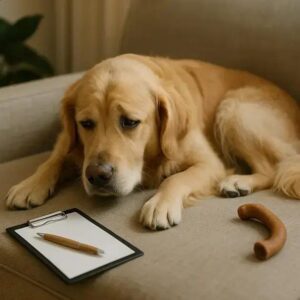
Have you ever noticed your dog scooting or licking excessively and wondered why? It could be related to their anal glands. Many pet owners struggle with this delicate hygiene task, especially with larger dogs. This discomfort can lead to frustration for both you and your furry friend.
Addressing this issue early can prevent infections and painful swelling. But how exactly do you go about it without causing harm? That’s where a simple, safe approach comes in handy.
In this guide, I’ll show you practical tips on how to express a large dog’s anal glands with care and confidence, helping your pet stay healthy and comfortable.
Understanding your dog’s anal glands and why expression matters
Every dog has anal glands located on either side of their anus. These small sacs produce a strong-smelling liquid used for communication and marking territory. In healthy dogs, these glands empty naturally during bowel movements. However, in some cases, especially with larger breeds, the glands can become impacted or infected, causing discomfort and potential health issues.
Understanding the function and location of these glands is key to recognizing when your dog might need help. Signs that your dog’s anal glands may require expressing include scooting on the floor, licking or biting around the rear, or a noticeable unpleasant odor. When the glands fail to empty properly, they can become swollen and cause pain, leading to infections or abscesses if left untreated.
Regularly expressing your dog’s anal glands when needed helps maintain their hygiene and comfort. This preventive care can reduce the risk of complications and reassure your pet feels at ease. Knowing the importance of gland expression empowers owners to act promptly and seek appropriate care.
Tools and preparation for expressing a large dog’s anal glands
Expressing a large dog’s anal glands requires careful preparation and the right tools to ensure a safe and hygienic process. Proper tools help prevent discomfort for your dog and keep the area clean.
Essential tools include:
- Disposable gloves: Protect your hands and maintain hygiene during the process.
- Lubricant gel: Use a water-based lubricant to ease the gentle insertion of your finger if needed.
- Paper towels or soft cloths: For cleaning any discharge and wiping the area afterward.
- Antiseptic wipes or solution: To clean the area before and after expression to prevent infection.
- A well-lit and calm environment: Ensure you can see clearly and that your dog feels relaxed throughout.
Before starting, it’s important to have your dog comfortably positioned, either standing or lying on a non-slip surface, such as a tiled floor or grooming table. Make sure to remain calm and gentle, speaking softly to reassure your dog.
Washing your hands thoroughly before and after the process and changing gloves if necessary is critical to maintain cleanliness. Always keep disposable materials handy for quick cleanup.
Preparation is key to making the process smooth and less stressful, ensuring your dog’s comfort and minimizing the risk of injury or infection.
Step-by-step guide to express anal glands safely
Expressing a large dog’s anal glands safely requires care, calmness, and the right technique. Follow this detailed step-by-step guide to ensure your dog stays comfortable throughout the process.
- Prepare your workspace with all necessary tools within reach: disposable gloves, paper towels, lubricant, and antiseptic wipes.
- Put on disposable gloves and keep your dog calm by using a soothing tone or gentle petting.
- Position your dog so they are standing or lying comfortably on a non-slip surface.
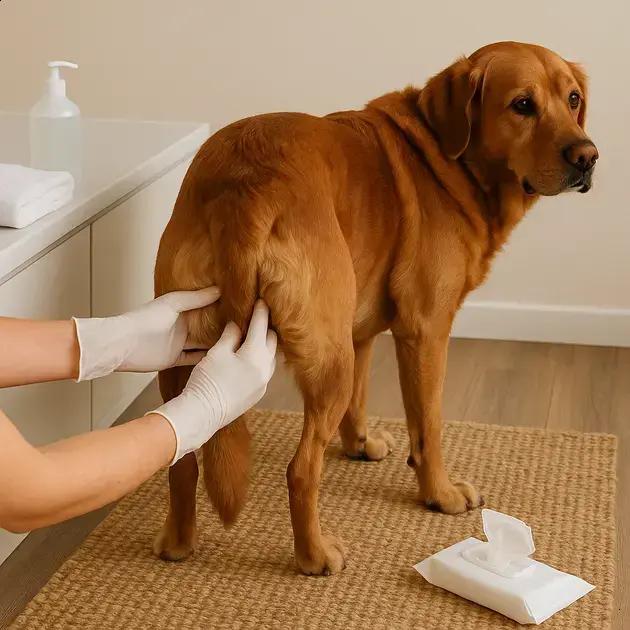
- Lift your dog’s tail gently to expose the anal gland openings located at about four and eight o’clock around the anus.
- Using your thumb and forefinger, carefully apply gentle pressure towards the anus, squeezing the glands inward to release the fluid. Be patient and gentle to avoid causing pain.
- Wipe away any discharge immediately with paper towels and clean the area with antiseptic wipes.
- Dispose of used gloves and materials safely and wash your hands thoroughly after the procedure.
If you notice your dog shows signs of pain, swelling, or persistent discharge, it’s important to seek veterinary care as these may indicate infection or abscess development.
Practicing this method regularly can help prevent discomfort and maintain good hygiene, but if you are unsure or uncomfortable, consult a professional groomer or veterinarian for assistance.
Common issues and when to seek professional help
Large dogs can face several problems with their anal glands, making it important to recognize when professional help is needed. Common issues include impaction, infection, and abscess formation. Impaction occurs when the glands do not empty properly, causing a build-up of fluid that leads to discomfort.
Infections may follow if bacteria enter the glands through cracks or damage, causing swelling, redness, and pain. Sometimes, this results in an abscess—a pocket of pus that requires medical treatment.
Watch for signs like persistent scooting, excessive licking, or a strong, unpleasant odor. Other symptoms include swelling near the anus, bleeding, or changes in your dog’s behavior indicating pain.
If you notice any of these symptoms, it’s crucial to consult a veterinarian promptly to avoid complications. The vet can safely express the glands, prescribe antibiotics if needed, and recommend treatment options.
Regular professional check-ups help catch problems early, especially for breeds prone to anal gland issues. While home expression can be helpful, nothing replaces expert care when infection or severe impaction occurs.
Maintaining Your Dog’s Comfort and Health
Regular care of your dog’s anal glands is essential to keep them comfortable and prevent health issues. Learning the proper way to express these glands can save your pet from pain and infections.
If you notice any signs of discomfort or complications, seeking professional veterinary help is always the safest choice. With the right knowledge and care, you can ensure your large dog stays happy and healthy.
Always prioritize gentle handling and hygiene during the process to make it a stress-free experience for both you and your dog.
FAQ – Common Questions About Expressing a Large Dog’s Anal Glands
How often should I express my large dog’s anal glands?
Most dogs express their anal glands naturally, but large dogs may need manual expression every few months depending on their breed and health. Consult your veterinarian for a schedule tailored to your dog.
Is it safe to express my dog’s anal glands at home?
Yes, with the proper tools and technique, it is safe to express your dog’s anal glands at home. However, if you are unsure or your dog shows signs of pain or infection, seek professional veterinary care.
What are the signs that my dog’s anal glands need to be expressed?
Common signs include scooting, licking or biting the rear, swelling near the anus, a strong odor, and discomfort while sitting or walking.
Can anal gland problems be prevented?
Regular hygiene and monitoring for early signs of discomfort can help prevent anal gland problems. Proper diet and exercise also contribute to healthy gland function.
When should I see a veterinarian for my dog’s anal glands?
Seek veterinary help if your dog shows persistent scooting, swelling, bleeding, strong odor, or signs of pain. A vet can diagnose infections and provide appropriate treatment.
What supplies do I need to express my large dog’s anal glands at home?
Essential supplies include disposable gloves, lubricant gel, paper towels, antiseptic wipes, and a calm, well-lit environment to perform the procedure safely and hygienically.