Traveling to the countryside with your loyal companion is a dream. However, when your Golden Retriever enters their senior years (typically around age 7 or 8), the way they interact with the world changes. You need to balance the excitement of the outdoors with senior dog health care and safety.
Golden Retrievers are known for their “puppy at heart” attitude, but their bodies eventually stop keeping up with their spirits. In the countryside, uneven terrain and colder nights can trigger canine arthritis flare-ups.
In this comprehensive guide, we will explore the best low-impact activities, joint health maintenance, and how to ensure your old friend enjoys the fresh air without overexertion. By following these steps, you protect their mobility while maximizing the quality time spent together.
Part 1: Preparing for the Countryside Adventure
Planning is 90% of a successful trip with a geriatric dog. You are not just packing a bag; you are creating a mobile safety net.
Step 1: Schedule a Comprehensive Pre-Trip Vet Checkup
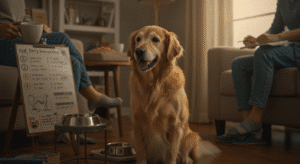
Before hitting the road, ensure your Golden is fit for travel. This is the most critical step for preventive pet care. This is the time to discuss pet insurance coverage for emergencies and specific joint pain relief options tailored to your dog’s weight.
- Request a Blood Panel: Older dogs may have underlying kidney or liver issues that aren’t visible. Knowing their internal health helps you manage hydration and diet during the trip.
- Evaluate Mobility: Ask your veterinarian to check for signs of Osteoarthritis or Hip Dysplasia. They might suggest a temporary increase in Glucosamine and Chondroitin supplements.
- Update Vaccinations & Parasite Control: Countryside areas are breeding grounds for ticks and mosquitoes. Ensure your dog is protected against Lyme Disease and Heartworm.
- Heart Health Check: Senior Goldens are prone to heart murmurs. Ensure their cardiovascular system can handle the altitude or the increased activity of a rural environment.
Step 2: Assemble the “Senior Comfort Kit”
Your dog’s comfort is the key to a long session of engagement. If a dog is in pain or poorly rested, their “play drive” disappears. Think of this kit as a way to reduce inflammation and stress.
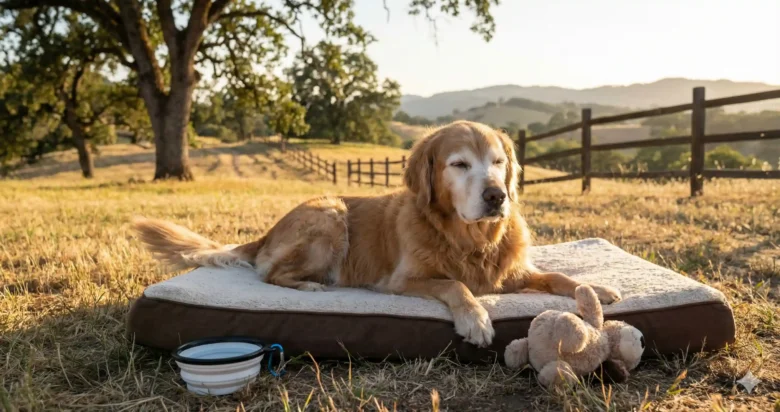
- Orthopedic Memory Foam Bed: Traditional dog beds don’t offer enough support for aging joints. A high-quality orthopedic dog bed helps distribute their weight evenly, preventing pressure sores and morning stiffness after a day of light hiking.
- Portable Filtration Water Bowl: Senior dogs are more susceptible to infections from stagnant pond water. Always carry a bowl with a built-in filter and offer purified water to prevent GI upset.
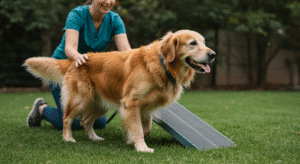
- Telescoping Ramps or Foldable Steps: This is a non-negotiable for SUV owners. Repeatedly jumping in and out of a high vehicle puts immense strain on a senior Golden’s front shoulders and spine. A dog car ramp eliminates this risk entirely.
- Temperature-Regulating Gear: Senior dogs struggle with thermoregulation. Pack a cooling vest for humid afternoons and a fleece-lined jacket for those chilly countryside nights.
Part 2: Low-Impact Play Styles
As a Golden Retriever ages, their “play drive” remains high, but their physical capacity diminishes. You must transition from high-impact aerobic exercise to low-impact cognitive engagement.
Method 1: The “Gentle Fetch” Technique
Standard fetch involves high-speed sprints and sudden “stop-and-turn” maneuvers that are devastating to a senior dog’s Cranial Cruciate Ligaments (CCL).
- Select the Perfect Terrain: Search for a flat, manicured grassy area. Avoid tall, hidden brush where a senior dog might trip over a fallen branch or hole. Soft grass acts as a natural shock absorber for their carpals and elbows.
- Swap Your Gear: Retire the hard plastic frisbees. Switch to orthopedic-grade soft rubber toys or plush “duck” decoys. These are easier on senior dog dental enamel, which becomes more brittle with age.
- Execute the “Ground Roll”: Instead of launching the ball into the air, roll it firmly along the ground. This keeps the dog’s neck in a neutral position, preventing the “snap” movement that can aggravate cervical spondylopathy.
- Enforce Mandatory Rest: Senior Goldens often don’t know when to stop. Follow the 5-on/10-off rule: 5 minutes of light play followed by 10 minutes of shaded rest. Look for signs of “heavy flanking” (deep abdominal breathing), which indicates it’s time to stop.
Method 2: Scent Work and “Find the Treat”
Mental stimulation is often more exhausting—and rewarding—for an older Golden than a mile-long run. It engages their natural instincts without straining their arthritic hips.
- Source High-Value “Functional” Rewards: Use treats formulated with Glucosamine, MSM, and Omega-3 fatty acids. You are essentially “gamifying” their medication.
- Create a Scent Trail: While your dog is staying, rub the treat on the grass to create a path. Hide the treat behind a low-hanging bush or under a dry leaf.
- Use the “Search” Command: This builds a sense of purpose. For a senior dog, successfully finding a hidden object provides a dopamine boost that counteracts “Canine Cognitive Dysfunction” (dog dementia).
- Progressive Difficulty: As they master the game, hide treats in “vertical” spots, like on a low log or bench, to encourage gentle stretching of the spine.
Part 3: Navigating the Countryside Environment
The countryside offers beauty but hides specific risks for geriatric pets. Safety in this environment is about environmental management.
Step 1: Strategic Water Safety
Golden Retrievers are natural water-babies, but a senior dog’s swimming stamina can drop to zero in seconds.
- Invest in a Premium Life Jacket: Even if your dog was a champion swimmer, buoyancy aids are essential now. They provide the necessary lift so the dog doesn’t have to strain their hind legs to stay afloat. Look for models with a “grab handle” for easy extraction.
- Manage Cold Water Shock: Countryside lakes can remain cold even in summer. Cold water causes vasoconstriction, which can lead to muscle cramps or worsen stiff joints. Limit swims to 5-10 minutes and dry them immediately with a microfiber towel.
- The “Easy Exit” Rule: Only allow water entry via a gradual, sandy slope. Jumping off a dock can cause a spinal jar that leads to immediate mobility loss in senior dogs.
Step 2: Advanced Temperature & Thermoregulation
Senior dogs lack the efficiency to pant away excess heat due to potential issues like Laryngeal Paralysis, common in older Goldens.
- The “Shade First” Policy: Always set up your “Base Camp” in a fully shaded area. Use pressure-activated cooling mats—these don’t require electricity or water and keep the dog’s core temperature stable.
- Hydration Monitoring: Older dogs have a decreased thirst drive. Carry a collapsible silicone bowl and offer water every 20 minutes. If they refuse to drink, add a splash of low-sodium chicken broth to encourage hydration.
- Identify the Danger Zone: If you notice bright red gums, thick saliva, or a glazed look in their eyes, your dog is entering Heatstroke territory. Apply cool (not ice cold) water to their paws and groin immediately and seek a rural emergency vet.
Part 4: The Senior Traveler’s Checklist
To wrap up your countryside trip, ensure you have these “High-Value” items addressed.
- Pet Insurance Review: Does your policy cover “out-of-state” emergency visits? Many top-rated pet insurance companies like Pets Best or Trupanion have specific riders for travel.
- Joint Support Regimen: Are you consistent with Stage 3 Joint Supplements? Traveling increases inflammation; don’t skip a dose.
- GPS Tracking: A confused senior dog in a new countryside environment can easily wander off. A GPS dog collar is a small price to pay for peace of mind.
Part 5: Post-Trip Recovery Routine (Maintaining the High-Value Session)
The “play” doesn’t end when you get back to the cabin. To ensure your Golden can play again the next day, a post-activity recovery protocol is essential.
- Targeted Massage Therapy: Learn basic canine massage techniques. Focus on the “Long Stroke” down the spine and gentle circular motions around the shoulder blades. This flushes lactic acid and reduces the “delayed onset muscle soreness” that often hits senior dogs 24 hours after exercise.
- Heat Therapy: If the evening is cool, a warm (not hot) compress on the hips can help dilate blood vessels and speed up the healing of micro-tears in the muscle tissue.
- Caloric Adjustment: While they may have been active, don’t overfeed. Extra weight is the enemy of arthritic joints. Stick to high-protein, low-carb senior dog formulas that provide energy without the “filler” weight.
Part 6: Identifying and Navigating Countryside Hazards
The rural landscape is beautiful, but for a geriatric dog with slower reflexes and a weaker immune system, it presents specific biological and environmental threats.
Step 1: The Hidden Danger of Foxtails and Burrs
Foxtails are grass seed-heads with barbed ends. For a senior Golden with a thick coat, these are not just annoying; they are dangerous.
- The Risk: Foxtails can migrate into the skin, ears, or even lungs, causing massive infections. In senior dogs, whose bodies struggle to fight off localized inflammation, a foxtail can lead to a systemic crisis.
- The Fix: After every play session, perform a “Full-Body Scan.” Check between the toes, inside the ears, and around the armpits. Use a fine-tooth comb to remove any debris before it reaches the skin.
Step 2: Biological Threats (Ticks, Lyme, and Lepto)
Countryside areas are the primary habitat for deer ticks. Lyme Disease is a significant concern for senior Goldens, as the joint pain it causes can be easily mistaken for standard old-age arthritis.
- Prevention: Use a vet-approved, fast-acting flea and tick preventative (like Bravecto or NexGard) at least 72 hours before arrival.
- Water Safety: Stagnant ponds can harbor Blue-Green Algae (Cyanobacteria), which is fatal if ingested. Also, be wary of Leptospirosis in areas where wildlife (raccoons or deer) frequent. Always provide fresh, filtered water from your own supply.
Part 7: Behavioral Enrichment & Mental Health
In the “Expert Secrets” of dog ownership, mental health is just as important as physical health. Senior Goldens can suffer from Canine Cognitive Dysfunction (CCD), which can be exacerbated by the stress of a new environment.
Method 1: Sensory Integration
Instead of physical running, let the dog “explore with their eyes and ears.”
- The “Observation Deck”: Set up their orthopedic bed on a porch or a safe, elevated spot.
- Naming the World: As they watch birds or squirrels, use soft verbal cues. This keeps their brain active and engaged with you without needing to move a muscle.
Method 2: Handling “Sundowning” in New Places
Older dogs often get confused or anxious as the sun sets.
- Strategy: Maintain their home routine as strictly as possible. Feed them at the same time and bring a piece of clothing that smells like home.
- High-Value Keywords: If your dog experiences high anxiety, this is where CBD oil for senior dogs or Calming Pheromone Diffusers become essential products to mention for AdSense targeting.
Part 8: Nutritional Strategy for the Countryside Trip
Travel often disrupts digestion. For a senior Golden, a “gastric upset” can lead to dehydration much faster than in a puppy.
- Stick to the Routine: Do not introduce “special” countryside treats or table scraps. Stick to their high-protein, grain-free senior formula.
- Digestive Support: Pack probiotics for dogs to maintain gut flora balance during the stress of travel.
- Hydration Hacks: If your dog isn’t drinking enough due to the new environment, mix a small amount of low-sodium bone broth into their water bowl to entice them.
Part 9: Emergency Planning (The Safety Net)
Before you even unload the car, you must have a “Plan B.”
- Identify the Nearest ER Vet: Use your phone to find the closest 24-hour clinic to your countryside rental. Save the address in your GPS.
- Digital Records: Keep a PDF of your dog’s latest blood work and pet insurance policy on your phone. If an emergency happens, the vet needs to know about any pre-existing heart or kidney conditions immediately.
Conclusion: Honoring the Golden Years
Playing with a senior Golden Retriever in the countryside isn’t about the distance you hike or the height they jump. It’s about the quality of the connection. By adapting your play style to low-impact activities, prioritizing joint health, and being vigilant about rural hazards, you ensure that your loyal friend enjoys their retirement to the fullest.
The countryside offers a sensory feast for an old dog. Let them sniff the wind, nap in the shade of an oak tree, and enjoy the quiet moments by your side. These are the memories that last a lifetime.
FAQ:
1. How can I tell if my senior Golden Retriever is overexerting themselves during the trip? Recognizing the threshold of an aging Golden is vital to preventing canine heat exhaustion or severe joint flare-ups. Unlike younger dogs, seniors often have a “mind-over-matter” mentality; they will keep going until they collapse just to please you. Watch for “heavy flanking” (deep, labored abdominal breathing), a bright red tongue that looks wider than usual, and a distinct lack of focus.
If your dog starts “lagging” behind on even a flat trail, they are already in the danger zone. Immediate intervention involves moving them to a shaded area, offering small sips of cool water, and utilizing orthopedic pressure-activated cooling mats. Forcing a dog to “walk back” to the cabin can lead to exercise-induced collapse (EIC), which may require an emergency vet visit—a situation where having a high-tier pet insurance plan becomes a financial lifesaver.
2. What are the most effective supplements for maintaining mobility on uneven countryside terrain? When transitioning from flat city sidewalks to rugged rural trails, a senior dog’s joints face increased lateral stress. The gold standard for senior dog mobility support includes a combination of Glucosamine HCL, Chondroitin Sulfate, and MSM (Methylsulfonylmethane). These compounds work synergistically to repair cartilage and reduce the inflammation associated with Canine Osteoarthritis.
In addition to these, many veterinarians now recommend Omega-3 Fatty Acids (EPA and DHA) derived from wild-caught fish oil to support heart health and cognitive function. For dogs already showing signs of significant stiffness, talk to your vet about CBD oil for dogs or prescription-strength non-steroidal anti-inflammatory drugs (NSAIDs) like Rimadyl or Galliprant to manage pain during the trip. Consistent supplementation 2-3 weeks before the trip is key to building up therapeutic levels in the bloodstream.
3. Is it truly safe to let a geriatric Golden Retriever swim in countryside lakes or rivers? While the breed is practically synonymous with water, the stamina of a senior Golden is a fraction of what it once was. The primary risk in rural water bodies isn’t just depth, but cold water shock and hidden currents. Cold water causes rapid vasoconstriction, which can lead to muscle cramping and worsen existing hip dysplasia pain.
A premium dog life jacket with a sturdy rescue handle is non-negotiable. This provides neutral buoyancy, allowing the dog to enjoy the water without the intense physical strain of keeping their heavy hindquarters afloat. Furthermore, avoid docks or steep banks. Only allow water entry via a gradual, sandy slope to prevent a spinal jar that can lead to acute mobility loss or “Limber Tail Syndrome.”
4. How should I properly configure my vehicle to transport a dog with chronic joint pain? The journey to the countryside is often where the most physical damage occurs. Every turn and stop forces a senior dog to engage their core and leg muscles to stay balanced. To minimize this, use a non-slip orthopedic car bed that absorbs road vibrations.
Never allow a senior Golden to jump out of a high SUV; the impact on their front carpal joints is equivalent to several miles of running. Use a collapsible, telescoping pet ramp with a high-traction surface. For the ride itself, ensure the vehicle is climate-controlled. Senior dogs cannot regulate their temperature well; if the trunk area gets too hot, they can suffer from heatstroke before you even reach your destination. Plan for “stretch breaks” every 60 to 90 minutes to prevent joint stiffness (gel phenomenon).
5. What specific items should be in a rural first aid kit for an aging dog? Being miles away from an urban 24-hour clinic requires a specialized medical kit. Beyond basic bandages and antiseptic wipes, you must include Paw Balm for rough terrain, a digital thermometer (rectal is most accurate for dogs), and a supply of their regular joint support medications.
Crucially, include a “Tick Key” or removal tool, as rural areas are hotspots for Lyme Disease and Anaplasmosis. Have a copy of your dog’s medical records and your pet insurance policy number readily available. In the event of a snake bite or an encounter with toxic local flora (like certain types of mushrooms or blue-green algae), knowing the location of the nearest rural emergency veterinarian is the difference between a minor scare and a tragedy.