
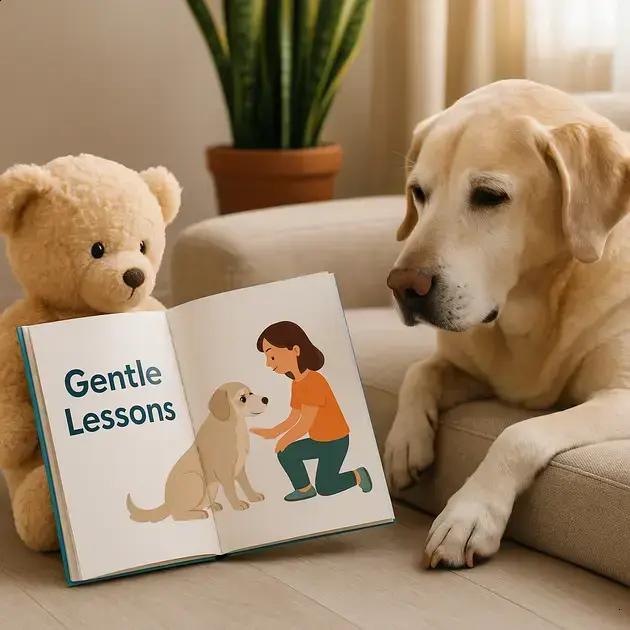
Have you ever wondered how to help your child interact kindly with aging pets? Teaching kids to respect senior dogs is more than just good manners—it’s about safety and empathy for these gentle souls.
Senior dogs often have special needs that children might not notice right away. Without guidance, interactions could unintentionally cause stress or harm to these older companions.
This guide offers you practical, easy ideas to nurture respect and understanding between your kids and senior dogs — so everyone feels happy and safe.
Understanding senior dogs and their needs
Senior dogs experience many changes that affect their behavior, mobility, and health. Understanding these changes is essential to provide the care and respect they deserve. Older dogs often have reduced energy levels and may become more sensitive to touch or loud noises. Physical signs like graying fur, slower movements, or stiff joints are common as they age.
Recognizing their medical needs is just as important as noticing their behavioral shifts. Senior dogs may face issues such as arthritis, vision or hearing loss, and dental problems. Regular veterinary check-ups help identify these conditions early and improve their quality of life.
Creating a comfortable environment is a vital part of respecting a senior dog’s needs. This might include softer bedding, easy access to food and water, and minimizing stressful situations. Simple adjustments show your child how to be patient and gentle with an aging friend.
Tips for teaching kids gentle interactions
Teaching kids to interact gently with senior dogs is crucial for the safety and comfort of both the child and the dog. Start by setting clear rules about how to approach and touch the dog calmly and respectfully. Kids should understand that sudden movements or loud noises can startle older dogs, who may have weaker hearing or be more sensitive than when they were younger.
One effective way to teach gentle interactions is through demonstrations and role-playing. Show children how to pet a dog softly, avoiding sensitive areas like the face, tail, or paws. Emphasize the importance of asking permission from a grown-up before touching the dog.
Encourage kids to observe the dog’s body language for signs of discomfort, such as lowered ears or a tucked tail. Reinforce the habit of giving the dog space when needed. Praise and reward children when they display patient and kind behavior, helping them build positive associations with respectful interactions.
Recognizing signs of discomfort in senior dogs
It’s important to know how to recognize signs of discomfort in senior dogs to ensure their well-being. As dogs age, they may not always show pain clearly, so caregivers must be attentive to subtle changes.
Common signs to watch for include: changes in appetite, increased irritability, reluctance to move, limping, or avoiding stairs. Older dogs might also show changes in sleeping patterns or vocalize more often when in pain.
Pay attention to body language such as tucked tails, flattened ears, or excessive licking of a specific area. These can indicate that the dog is feeling anxious or uncomfortable.
Regular check-ups with a veterinarian help detect discomfort early and manage any health issues. Observing these signs allows children to understand when a senior dog needs extra care and gentle treatment.
Building lifelong respect and care habits
Building lifelong respect and care habits towards senior dogs starts with consistent teaching and leading by example. When children learn to appreciate the needs and limits of aging dogs early on, they develop empathy that stays with them into adulthood. Encourage gentle touch and patience, and remind them that senior dogs may need more rest and quieter environments.
Create daily routines that include caring actions such as helping with feeding, assisting older dogs when they move slowly, and understanding when to give them space. Emphasize how these habits show love and responsibility.
Parents and caregivers can support this learning by modeling respectful behavior and praising children when they handle senior dogs kindly. Over time, these practices shape positive attitudes towards animals and promote compassionate behavior in all relationships.
Final thoughts on teaching respect to senior dogs
Teaching kids to respect senior dogs helps build kindness and safety for both children and their aging pets. Understanding the special needs of older dogs creates a more loving home environment.
By practicing gentle interactions and recognizing signs of discomfort, children learn empathy that benefits all their relationships. Establishing caring habits early sets the stage for lifelong respect for animals.
With patience and guidance, families can ensure senior dogs feel valued and protected, creating bonds that last for years to come.
FAQ – Teaching Kids to Respect Senior Dogs
Why is it important to teach kids to respect senior dogs?
Teaching kids to respect senior dogs helps ensure the safety and comfort of both the child and the aging pet, fostering empathy and gentle behavior.
What are some signs of discomfort in senior dogs children should know?
Signs include changes in appetite, increased irritability, limping, reluctance to move, and changes in sleeping patterns or vocalizations.
How can I teach my child to interact gently with a senior dog?
Show them how to pet softly, avoid sensitive areas, ask permission first, and watch the dog’s body language for signs of discomfort.
What special needs do senior dogs have?
Senior dogs often need softer bedding, easier access to food and water, more rest, and regular vet check-ups to monitor health conditions like arthritis or vision loss.
How can families build lifelong respect for senior dogs in children?
By modeling gentle behavior, creating caring routines, encouraging patience, and praising respectful interactions consistently over time.
What should I do if a senior dog shows signs of pain or stress?
Consult a veterinarian promptly for proper diagnosis and care, and teach children to give the dog space and avoid stressing it further.