Have you ever wondered how safe dental care can be for aging dogs? Dental health often becomes a challenge as pets grow older, sometimes needing specialized care without the risks of anesthesia. The idea of a senior dog dental cleaning without anesthesia might seem unusual but could be just what your furry friend needs.
Statistics show that many older dogs suffer from dental issues, but anesthesia worries can delay treatment. Finding a method that balances safety and effectiveness matters a lot for pet owners like you. How can we keep those tails wagging healthily without unnecessary stress?
In this article, you’ll discover practical ways of approaching dental hygiene for senior dogs without relying on anesthesia, helping you make informed choices for your companion’s wellbeing.
Understanding dental health challenges in senior dogs
As dogs age, their dental health often declines due to years of plaque buildup and natural wear. Understanding dental health challenges in senior dogs is essential to prevent pain, infection, and more serious health problems. Older dogs are particularly vulnerable to periodontal disease, which affects the tissues supporting the teeth and can lead to tooth loss if untreated.
Common dental issues in senior dogs include tartar accumulation, gum inflammation, and decay. These problems can cause discomfort, bad breath, and difficulty eating. Senior dogs may also develop oral tumors or experience dry mouth, which exacerbates dental decay.
Regular veterinary dental checkups are crucial as it becomes harder for owners to detect dental pain in their aging pets. Behavioral changes like reluctance to eat hard food or pawing at the mouth often indicate dental trouble. Early detection and care improve quality of life and can prevent costly treatments later.
In some cases, dental diseases can affect other organs due to bacteria entering the bloodstream, emphasizing the need for proper dental hygiene throughout a dog’s life. By recognizing these challenges, pet owners can take proactive steps, from gentle daily brushing to professional cleaning options tailored for senior dogs.
Methods for dental cleaning without anesthesia
Cleaning a senior dog’s teeth without anesthesia requires gentle and safe methods that minimize stress and health risks. Several techniques have been developed to address dental care effectively while keeping the dog calm and comfortable.
Professional dental cleaning without anesthesia often involves manual scaling of plaque and tartar using specialized veterinary tools. This method is usually performed by trained veterinarians or certified pet dental hygienists who carefully evaluate the dog’s temperament and health status before proceeding.
Another approach includes the use of ultrasonic scalers or dental gels designed for home care. These gels contain safe ingredients that help break down plaque over time, reducing the buildup and promoting healthier gums. Regular application under guidance can improve dental hygiene without the need for sedation.
Additionally, laser therapy has emerged as a minimally invasive option for reducing bacteria and inflammation in the mouth. This method is painless and requires no recovery time, making it suitable for older dogs who cannot tolerate anesthesia.
Maintaining a routine with at-home care products such as specialized toothbrushes and enzymatic toothpaste also plays a critical role. Consistency in daily or weekly brushing helps prevent severe dental issues and complements professional cleaning sessions, whether anesthetized or not.
Benefits and risks of anesthesia-free dental care
Benefits of anesthesia-free dental care for senior dogs include significantly reduced health risks associated with anesthesia, especially important for older pets with heart or respiratory issues. Avoiding anesthesia minimizes recovery time and stress, allowing your dog to maintain comfort during and after the procedure.
This approach also allows more frequent dental cleanings, as the procedure is less invasive and can be tailored to the dog’s tolerance level. For owners concerned about anesthesia complications, it provides a safer pathway to maintain oral health without compromising safety.
However, there are important risks and limitations to consider with anesthesia-free dental care. These procedures might not clean below the gumline thoroughly, where bacteria often cause the most harm. Without anesthesia, it can be challenging to fully examine and treat deeper dental issues.
Senior dogs who are highly anxious or have aggressive tendencies may not tolerate anesthesia-free cleaning, making the procedure incomplete or stressful. Additionally, sedation-free care is generally limited to mild cases of dental disease and might not replace the need for full anesthetic dental treatment in some situations.
Discussing your dog’s overall health and dental condition with a trusted veterinarian is essential to weigh the benefits and risks accurately, ensuring the chosen method aligns with your pet’s specific needs.
How to maintain your senior dog’s dental health at home
Maintaining your senior dog’s dental health at home is essential for preventing serious oral diseases and ensuring overall well-being. Daily care can significantly reduce plaque and tartar buildup, keeping your dog’s mouth healthy without frequent vet visits or anesthesia-related procedures.
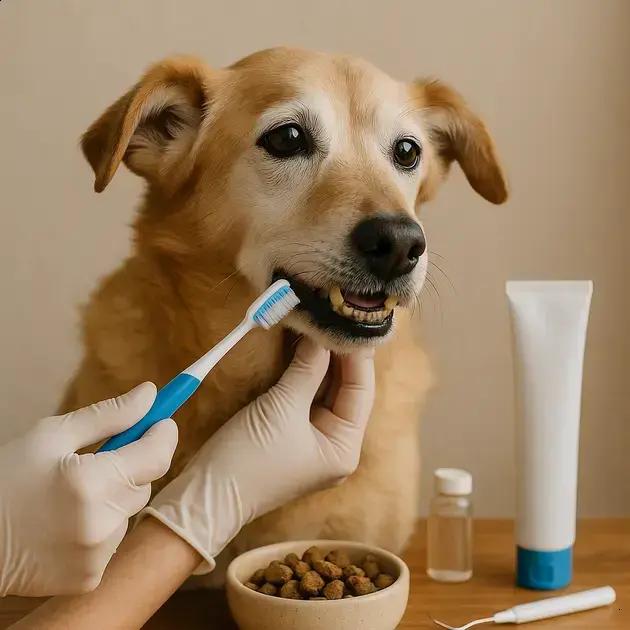
Regular brushing is the cornerstone of home dental care. Use a soft-bristled toothbrush specifically designed for dogs and pet-safe toothpaste. Human toothpaste is harmful to pets and should never be used. Aim to brush your dog’s teeth at least several times a week, but daily brushing is ideal.
In addition to brushing, providing dental chews and toys can help mechanically remove plaque. These products stimulate chewing and saliva production, which naturally cleans the teeth and freshens breath. Choose chews approved by veterinary dental associations for safety and effectiveness.
Maintaining a balanced diet with dental health benefits can also contribute to oral hygiene. Certain specially formulated senior dog foods contain ingredients that reduce tartar formation and promote gum health.
Consistency and patience are key when introducing new dental routines. If your dog is resistant, slowly acclimate them by starting with finger brushing or dental wipes. Observing your dog’s mouth regularly for signs of dental issues such as bad breath, redness, or swelling helps catch problems early.
Maintaining Your Senior Dog’s Dental Health
Keeping your senior dog’s teeth clean and healthy at home is a simple yet powerful way to improve their quality of life. Regular brushing, proper diet, and the use of dental chews are key steps to prevent dental problems without the stress of anesthesia.
By understanding the best care methods and staying consistent, you can protect your furry friend from pain and illness related to poor dental health. Remember, gentle and patient care goes a long way in ensuring your senior dog enjoys many happy and healthy years.
Partnering with your veterinarian to monitor dental health will also help you make informed choices about when professional cleanings might be needed. Your dedication will keep your senior dog’s smile bright and their health strong.
FAQ – Common Questions About Senior Dog Dental Cleaning Without Anesthesia
Is dental cleaning without anesthesia safe for senior dogs?
Anesthesia-free dental cleaning is generally safer for senior dogs with health risks, but it may not be suitable for all cases. Consult your veterinarian to determine the best option.
How often should I clean my senior dog’s teeth at home?
It is recommended to brush your senior dog’s teeth daily or at least several times a week to maintain good oral hygiene and prevent dental disease.
Can dental chews replace professional dental cleanings?
Dental chews can help reduce plaque buildup but should not replace professional cleanings. They are part of a complete dental care routine.
What are the risks of not using anesthesia during dental cleaning?
Without anesthesia, it may be difficult to clean below the gumline thoroughly, potentially leaving harmful bacteria that could affect your dog’s health.
How do I know if my senior dog needs dental cleaning?
Signs include bad breath, difficulty eating, swollen or bleeding gums, and excessive drooling. Regular veterinary checkups can help identify dental problems early.
Are there special dental care products for senior dogs?
Yes, there are toothbrushes, toothpastes, and dental diets specifically formulated for senior dogs to help maintain oral health effectively.