Have you noticed your older dog shivering or reluctant to go outside when winter hits? Cold weather can pose serious risks for senior pets, but often their needs get overlooked.
Finding the right winter safety gear for senior dogs can make all the difference in keeping them comfortable and safe. From warm coats to protective boots, there’s more to consider than just bundling them up.
Stick with me as I walk you through essential gear choices and simple care tips that help your aging companion enjoy winter without chills or harm.
Recognizing cold weather risks for senior dogs
Senior dogs face unique challenges during cold weather due to their age-related vulnerabilities. Recognizing cold weather risks for senior dogs is essential to prevent health issues like hypothermia, arthritis flare-ups, and frostbite. Older dogs often have thinner fur, less body fat, and slower circulation, which reduce their ability to retain heat.
Common signs of cold stress in senior dogs include shivering, reluctance to move, whining, and stiff or slow movement. These symptoms indicate your dog may be uncomfortable or at risk and need immediate attention.
Some health conditions common in senior dogs, such as arthritis and heart disease, can worsen with cold exposure. Cold weather can stiffen joints and make movement painful, decreasing mobility and quality of life.
Pay attention to your dog’s behavior during winter walks. If they appear tired quickly or lift their paws frequently due to cold or ice, it’s a warning sign that protective measures are necessary. Provide a warm resting place indoors with cozy bedding and consider limiting outdoor time in severe weather.
Key cold weather risks in senior dogs include:
- Hypothermia: A dangerous drop in body temperature requiring immediate care.
- Frostbite: Tissue damage affecting ears, tail, and paws.
- Arthritis flare-ups: Increased joint pain and stiffness.
- Respiratory issues: Exacerbated by cold, dry air.
- Decreased immune response: Making older dogs more prone to infections.
By understanding and recognizing these risks, you can take steps to protect your senior dog from winter hazards, ensuring they remain safe, comfortable, and happy even during the coldest months.
Choosing the right winter coats and boots
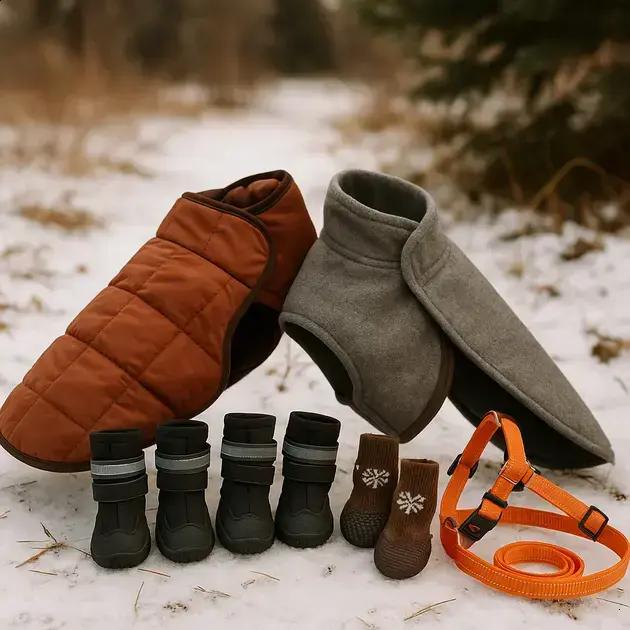
Choosing the right winter coats and boots for senior dogs involves understanding their specific needs for warmth, comfort, and mobility. Senior dogs often have thinner coats and less body fat, making them more vulnerable to cold temperatures. A well-fitted winter coat provides insulation and retains body heat without restricting movement.
Look for coats made from waterproof and windproof materials with soft lining to prevent irritation. Adjustable straps or Velcro closures ensure a snug fit that stays secure during walks. Avoid bulky layers that can limit your dog’s natural motions or cause overheating indoors.
Key elements to consider when selecting boots include:
- Durability and traction: Boots should protect against ice, salt, and rough terrain while providing a good grip to prevent slipping.
- Easy to put on and remove: Select boots with wide openings and adjustable fasteners to accommodate older dogs’ lower patience and mobility.
- Breathability: Materials that keep feet dry but allow airflow reduce sweat and discomfort.
- Padded soles for extra comfort and shock absorption on hard surfaces.
Before buying, measure your senior dog’s paws carefully to pick the right size. Consider trying boots indoors first to help your dog get used to wearing them. If your dog resists, don’t force it — try short sessions and positive reinforcement to build acceptance.
Both winter coats and boots are essential to protect senior dogs on cold, icy walks. Proper gear not only keeps them warm and safe but can also improve their confidence and willingness to stay active outdoors during winter months.
Keeping paws and skin healthy in winter
Winter brings harsh conditions that can affect your senior dog’s paws and skin. Cold, ice, and salt can cause dryness, cracking, and irritation, making it essential to care for these sensitive areas carefully. Keeping paws and skin healthy in winter helps prevent discomfort and infections.
Regularly inspect your dog’s paws for redness, cuts, or swelling. Wipe their paws with a damp cloth after walks to remove salt, chemicals, or debris that might cause irritation. Applying a pet-safe moisturizing balm or paw wax creates a protective barrier against harsh winter elements.
Additional tips to protect your senior dog’s paws and skin:
- Trim excess fur between paws to avoid matting and accumulation of ice balls.
- Use booties designed to shield paws from ice and salt, ensuring they fit well and don’t restrict movement.
- Keep your dog’s skin hydrated by feeding a balanced diet rich in omega fatty acids, which support skin health.
- Limit bathtime and use gentle, moisturizing shampoos to prevent drying out the skin further.
During extreme cold, avoid walking your dog on salted sidewalks if possible. Instead, choose grassy or cleared paths to minimize contact with harsh substances. Never use human lotions on your pet, as many contain harmful ingredients.
Maintaining paw and skin health during winter improves your senior dog’s comfort and helps them stay active despite the cold. Consistency in care routines and attention to changes will ensure they enjoy the season safely.
Safe outdoor activity tips for older dogs
Engaging your senior dog in outdoor activities during winter requires extra care to ensure safety and comfort. Older dogs are more sensitive to cold and prone to joint pain, so it’s important to adapt your routine accordingly. Safe outdoor activity tips for older dogs focus on balancing exercise with protection from the elements.
Monitor your dog’s behavior closely during walks. Watch for signs of discomfort like limping, excessive shivering, or slowing down. Shorten walks on extremely cold days to avoid prolonged exposure, and always provide opportunities for rest in warm areas.
Additional tips to keep outdoor time safe for senior dogs:
- Choose routes that are cleared of ice and snow to prevent slips or falls.
- Dress your dog in warm, fitted winter gear such as coats and boots to preserve heat and shield paws.
- Adjust exercise intensity based on your dog’s health; gentle strolls are often better than strenuous activities.
- Provide fresh water to keep your dog hydrated, as cold weather can be dehydrating.
Consider indoor enrichment activities as alternatives on extremely cold or icy days, like interactive toys or training sessions. Always consult with your veterinarian before starting or changing exercise habits, especially if your dog has health issues.
Making outdoor activity safe and enjoyable ensures your senior dog stays healthy and happy throughout winter, maintaining muscle tone and mental stimulation without risking injury or illness.
Ensuring Your Senior Dog’s Safety and Comfort This Winter
Protecting your senior dog with the right winter safety gear is vital to keep them warm, healthy, and happy during colder months. From recognizing cold weather risks to choosing proper coats, boots, and paw care, every step matters.
Adapting outdoor activities and providing gentle, consistent care helps your aging companion enjoy winter safely without unnecessary stress or injury. Small changes can make a big difference in their quality of life.
With thoughtful preparation and attention, your senior dog can stay active and comfortable all winter long, embracing each walk and moment outside with confidence.
FAQ – Winter Safety Gear for Senior Dogs
Why is it important to use winter safety gear for senior dogs?
Senior dogs are more vulnerable to cold due to thinner fur and medical conditions. Winter safety gear helps keep them warm and protects against cold-related health issues.
What type of winter coat is best for senior dogs?
A waterproof, windproof coat with soft lining and adjustable straps is ideal, as it provides warmth and comfort without restricting movement.
How do I choose the right size boots for my senior dog?
Measure your dog’s paws carefully and select boots that fit snugly. Try them indoors first to help your dog get comfortable with wearing them.
How can I protect my senior dog’s paws from winter hazards?
Clean their paws after walks to remove salt and chemicals, use pet-safe moisturizing balms, and consider boots to shield against ice and snow.
What signs indicate my senior dog is uncomfortable in winter weather?
Look for shivering, limping, reluctance to move, licking paws excessively, or lifting paws frequently, which may suggest cold stress or injury.
How can I keep my senior dog active safely during winter?
Keep walks shorter, choose safe, cleared paths, dress your dog in proper winter gear, and consult your vet to tailor activity levels to your dog’s health.