Have you noticed your golden retriever slowing down and wondered how to keep your home safe for them? Senior dog proofing your home is a vital step to ensure their comfort and wellbeing as they age.
Older dogs face challenges like reduced mobility and sensitivity, which can make familiar spaces tricky to navigate. This often leads to stress and accidents—problems any loving pet owner wants to avoid.
This guide dives into practical ways you can adapt your home, making it safe and cozy for your senior golden retriever. The changes don’t have to be big, but they can make a world of difference in daily life.
Assessing your home environment for senior dog safety
Assessing your home environment for senior dog safety is the crucial first step to ensure your golden retriever enjoys a secure and comfortable space. As dogs age, their senses and mobility can decline, making familiar surroundings potentially hazardous if not adjusted accordingly.
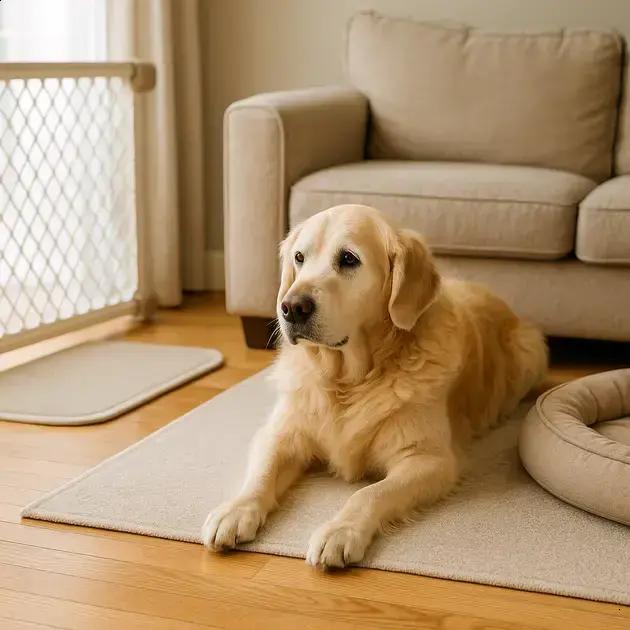
Start by examining common areas such as living rooms, kitchens, and hallways for any obstacles or hazards. Loose rugs, slippery floors, and clutter can increase the risk of slips and falls. Consider replacing slick surfaces with non-slip rugs or mats to provide better traction.
Check furniture edges and sharp corners at your dog’s level and use protective padding if necessary. Electrical cords and small objects should be secured and out of reach to prevent chewing or accidental ingestion, which are common risks for senior dogs.
Lighting is another vital factor. Ensure hallways and rooms are well-lit to help your dog navigate safely, especially during nighttime. Motion-sensor lights near stairs or common paths can provide extra visibility without disturbing your pet.
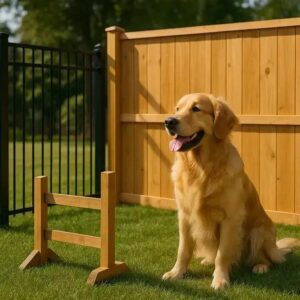
Evaluate outdoor areas too, such as patios or gardens. Make sure fences are secure and any steps or uneven surfaces have ramps or gentle slopes. Remove toxic plants or chemicals that could harm your dog.
Regularly monitor how your dog moves and rests in different spaces to identify areas that might need further adjustment. Simple changes in your living environment can greatly improve your senior dog’s quality of life and safety, allowing them to remain active and happy.
Choosing the right flooring and mobility aids
Choosing the right flooring for your senior golden retriever is essential to prevent slips and ease joint discomfort. Surfaces like hardwood or tile can be slippery, increasing the risk of falls. Consider installing non-slip rugs or mats in key areas such as hallways and around food and water bowls to provide better traction.
Carpeted floors offer more grip but make cleaning harder, especially with shedding dogs. Opt for low-pile carpets that are easier to maintain, and ensure they are securely fixed to avoid tripping hazards.
In addition to flooring, mobility aids can significantly improve your dog’s quality of life. Products like orthopedic dog ramps, harnesses, and support slings are designed to assist aging dogs with limited strength or arthritis.
- Orthopedic dog ramps help your dog access couches, beds, or cars without jumping, reducing stress on joints.
- Support harnesses with sturdy handles allow you to assist your dog in walking or climbing stairs safely.
- Dog braces provide stability and relieve pressure on weakened limbs, ideal for dogs with arthritis or hip dysplasia.
When selecting mobility aids, ensure they are tailored to your dog’s size, weight, and specific needs. Consulting with a veterinarian can help identify the most effective products and proper usage techniques. Regularly inspect aids for wear and comfort, replacing them as necessary to maintain safety.
Creating comfortable resting and play areas
Creating comfortable resting and play areas for your senior golden retriever is essential to support their health and happiness. Older dogs need spaces that offer both relaxation and gentle stimulation without causing strain.
Choose orthopedic dog beds with memory foam or supportive padding to relieve joint pressure and promote better sleep. Place these beds in quiet, draft-free corners where your dog feels safe and undisturbed.
Soft blankets and washable covers add extra comfort and are easy to maintain. Remember to regularly clean these areas to reduce allergens and maintain hygiene.
For play, opt for low-impact toys such as soft balls or puzzle feeders that encourage mental engagement without excessive physical exertion. Avoid hard or noisy toys that might frighten or harm sensitive older dogs.
Arrange the play area to be free of obstacles and hazards, providing plenty of space for gentle movement. Natural light and easy access to water enhance the environment, promoting wellbeing throughout the day.
Regularly observe your dog’s preferences and comfort needs, and adjust resting and play spaces accordingly to ensure they continue to meet their changing requirements as they age.
Adjusting routines and monitoring health changes
Adjusting routines and monitoring health changes are vital parts of caring for a senior golden retriever to ensure they remain comfortable and healthy. As your dog ages, daily activities such as feeding times, exercise, and grooming may need modification to better suit their changing needs.
Observe your dog’s energy levels and mobility day-to-day. You may need to shorten walks or choose gentler activities like swimming or slow leash walks. Keeping a consistent schedule can reduce anxiety and help manage their physical wellbeing.
Regular health monitoring includes watching for signs such as changes in appetite, weight fluctuations, limping, or unusual behaviors. Taking note of these changes enables early detection of conditions like arthritis or dental issues.
Establish a routine for checking your dog’s vital signs at home, such as monitoring their breathing rate or gum color, and schedule frequent veterinary visits for comprehensive exams and screenings.
Keeping a health journal can be very effective. Record observations about eating habits, bathroom frequency, mobility, and mood variations. This information is invaluable during vet appointments to tailor care appropriately.
Creating a safe and cozy home for your senior golden retriever
As your golden retriever ages, making thoughtful changes to your home and routines is essential to keep them safe and comfortable. From adjusting the environment to choosing the right mobility aids and monitoring their health, every step helps improve their quality of life.
Small modifications such as adding non-slip rugs, orthopedic beds, and gentle play areas can make a big difference. Equally important is staying attentive to their changing needs through regular health checks and adjusted activities.
By investing time and care into senior dog proofing your home, you ensure your loyal companion enjoys their golden years with safety, comfort, and happiness.
FAQ – Senior dog proofing your home for a Golden Retriever
What is senior dog proofing and why is it important?
Senior dog proofing involves making changes to your home to ensure the safety and comfort of aging dogs, helping prevent injuries and supporting their mobility and wellbeing.
Which flooring options are best for senior dogs?
Non-slip rugs and mats are ideal for senior dogs, as they prevent slips on hardwood or tile floors. Low-pile carpets also provide better traction and are easier to clean.
What mobility aids can help my senior golden retriever?
Orthopedic ramps, support harnesses, and dog braces are effective aids that assist with mobility, reduce joint strain, and help your dog navigate stairs or furniture safely.
How do I create a comfortable resting area for my senior dog?
Use orthopedic dog beds with memory foam, place them in quiet, draft-free spots, and add soft blankets. Keep the area clean and free from disturbances to promote restful sleep.
Why is monitoring health changes in senior dogs important?
Monitoring health changes helps detect issues early, such as arthritis or appetite loss, enabling timely veterinary care and adjustments to your dog’s routine for better quality of life.
How can I adjust my senior dog’s daily routine?
Adjust exercise to gentler activities like shorter walks or swimming, maintain consistent feeding and bathroom schedules, and observe your dog’s energy to tailor activities to their comfort level.