I walk you through why positive reinforcement and gentle, reward-based methods are my go-to for older Goldens. I use gentle, reward-based work that protects aching joints. I share my simple recall routine, short sessions, and clear cues I trust. I teach calm leash walking, refresh potty cues, and use small-step desensitization for anxiety. I explain when I check with my vet or a behaviorist, and how I keep my dog’s mind sharp with puzzle toys. I know this can feel overwhelming, so I promise kind, practical, do-able tips.
Key Takeaway
- I use gentle rewards and praise to teach good behavior with kindness.
- I keep training short and regular so my senior Golden doesn’t get tired.
- I choose low-impact exercises and slow walks to protect my dog’s joints.
- I stick to simple cues and a steady routine so my dog feels safe.
- I add easy brain games and scent work to keep my Golden mentally fit—see ideas for keeping a senior Golden’s mind active.
How I use positive reinforcement for older golden retrievers
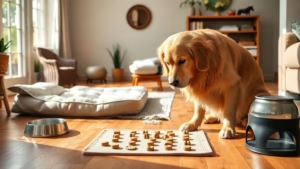
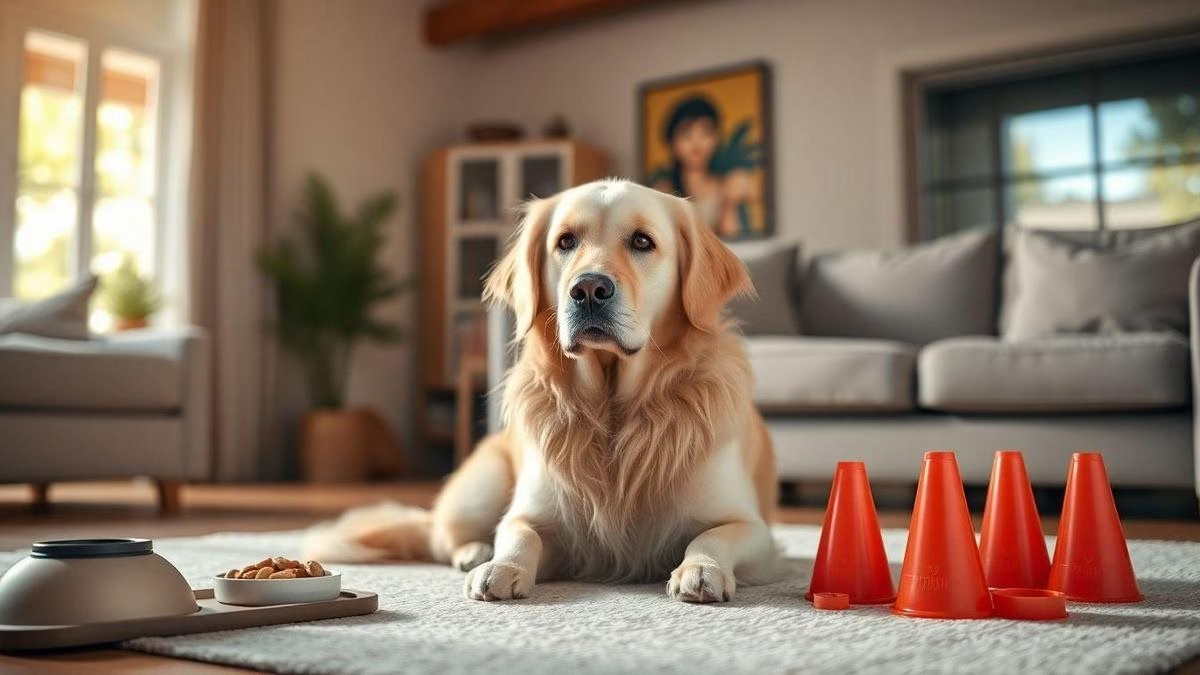
I start small and slow. My older golden gets tiny, soft treats and calm praise. I keep sessions short — two to five minutes — because long sessions tire body and brain. Short wins keep them happy and willing to try again.
I read my dog’s body language before I ask anything. If a hip hurts or the tail is low, I change the task to something easier, like a nose-touch or a gentle hand-target. When pain is a concern, I watch for common signals and follow guidance on identifying signs of pain in senior Goldens. I use touch and quiet words as rewards too, not just food—hand pats or a soft good work when treats must be limited.
I mark good choices the moment they happen with a clicker or a single word like yes, then reward right away. Timing matters more with age. I break goals into tiny steps and celebrate each one. That steady, gentle approach builds trust and keeps changes less stressful.
Why reward-based work helps senior golden retriever behavior training
Reward work lowers fear and pain-guarding. Older dogs can react to stiffness or confusion; pushy corrections make that worse. Treats and praise show them they did the right thing, making training feel safe, not scary, so they start offering better choices on their own. For broader behavior changes that come with age, I compare notes with resources on what’s normal as Goldens age.
Reward type | Why I use it | Best for
-
- — | —: | —
Soft treats (small) | High value, easy to chew | Motion-based tasks, recall
Praise petting | Calms and connects | Comforting after handling
Short play or toy | Mental lift without many calories | Focus and motivation
Food puzzle or sniff mat | Low-impact activity | Slow, tired dogs needing mental work
- — | —: | —
How I include this in Top 7 Behavior Training Techniques Every Parent Should Know
I fold positive reinforcement into each technique on that list. For recall, I make coming back the best part of the walk with a treat shower. For loose-leash walking, I reward calm steps next to me instead of yanking. For leave-it, I swap for something better so the dog learns trade, not fear. Small, steady rewards make the old dog willing to try again and again.
I ask family members to use the same cues and rewards so the message stays clear. We set tiny goals — three calm steps, one easy recall — and celebrate. That keeps frustration low and progress steady.
My step-by-step recall reward routine
I begin close, call a friendly word, mark the moment, and reward quickly; then I back up slowly and repeat in short bursts so the dog links the sound to good things.
- Start 2–5 feet apart in a quiet room.
- Say the recall cue in a happy voice.
- Mark (click or yes) the instant they turn toward you.
- Reward with a tiny soft treat and praise.
- Take one step back and repeat three to five times.
- Gradually add distance and mild distractions over days.
How I adapt training techniques for senior goldens with aches
I pay attention to how my golden moves before I ask anything. If I see a limp, slow turns, or stiffness, I change the plan. I pick exercises that keep them moving without pushing. Small changes like asking for a sit instead of a full stand-and-wait can make a huge difference.
I use soft surfaces and short walks to warm muscles first. A few minutes of gentle walking or slow play helps joints loosen. Cold days mean extra warm-ups and gentler work. My goal is confidence and comfort while still practicing good habits. For specific ideas on protecting joints and providing comfort, I follow tips from comfort strategies for Goldens with arthritis and add low-impact exercises.
Using gentle behavior modification to protect joints:
Goal | What I do | Why it helps
-
- — | —: | —
Protect joints | Use ramps, soft beds, low jumps, reduce repetitions | Lowers impact and pain
Keep skills | Short, frequent sessions with calm cues | Maintains learning without strain
Mental work | Food puzzles, scent games, gentle targeting | Stimulates brain while resting joints
- — | —: | —
Short sessions and clear cues I recommend
Keep sessions short and cheerful: five minutes, two to four times a day works well. That lets me split exercises—balance, manners, a trick—without stiffness.
Use consistent, simple cues and clear signals. Speak softly and show the same hand motion each time. If a verbal cue is tiring, use a light touch or a visual cue. Clear signals reduce confusion and limit extra movement. For daily structure and sample schedules, I follow principles from creating a healthy routine for senior Goldens and daily comfort routines.
Example 5-minute session structure:
- 30–60 seconds of slow walking to warm up
- 2 minutes of focused work like a few sits or a nose-target
- 90 seconds of a gentle balance move such as stepping onto a low platform
- Finish with praise and a soft treat while they rest
How I teach calm leash walking to a senior golden retriever
I accept where my dog is today. Older Goldens move slower, hear less, and get achy. I lower expectations and focus on short wins: a five-minute loop where she stays relaxed, noses the grass, and comes back to me. Those tiny wins stack into trust.
I use praise and tiny treats for calm moments, not for speed. If she pulls, I stop and wait until she loosens the leash. If she sniffs and looks content, I call her name softly and reward calm eye contact. This teaches that being near me and relaxed is worth more than racing ahead.
I change the environment before I change the dog: quieter times, softer ground, avoid busy sidewalks or loud scooters that spike stress. When we hit a noisy spot, I slow my steps, lower my voice, and move like we’re on a gentle mission. If hearing is an issue, I adapt cues and use visual signals—see practical advice on managing hearing loss in senior Goldens.
How this fits into Top 7 Behavior Training Techniques Every Parent Should Know
Leash walking ties into patience, consistency, and positive reinforcement. Calm leash walking is a practical example: reward calm, set clear cues, and repeat short sessions. It supports safety and confidence for vet trips, nail trims, and visits to family.
Gear and pacing I use for leash walking
I choose gear that reduces strain: a well-fitted harness with a front clip, a padded leash, soft treats, and a foldable water dish. For equipment suggestions and ramps or beds that ease movement, I check recommendations for essential senior-friendly gear. I avoid retractable leashes because they can encourage sudden pulls.
Session type | Typical duration | When I use it
-
- — | —: | —
Gentle check | 5–10 minutes | After rest or when weather is hot
Slow stroll | 15–20 minutes | Normal day, mild weather
Short walk sniff | 10 5 minutes sniff | On low-energy days or senior aches
- — | —: | —
My leash desensitization steps:
- Let the leash lie where she can sniff it; reward interest.
- Clip it on for one minute with treats, then remove.
- Clip and stand, reward when calm.
- Take one step, treat, stop; repeat and slowly increase steps.
- Move to a short walk and end before she gets tired; finish calm.
How I refresh house routines for house training senior golden retrievers
I watch my dog closely and think like a gentle coach. My old golden began having more accidents and slower walks, so I slowed down my pace too. I look for tiny signs—sniffing, circling, standing by the door—and I respond fast. I keep things calm and steady because stress makes slips happen more often.
I make small, clear changes: move her bed closer to exits, add a non-slip mat by the door, place ramps so she can reach favorite spots without jumping. I shorten the time between walks and add short indoor potty breaks. These shifts are like tuning an instrument so the song plays again. For ideas on adapting your home to reduce strain and accidents, see tips on adapting your home for a senior Golden.
I also borrow ideas from gentle training guides to refresh methods, mixing reliable ideas with what my dog likes—treats, pats, or quiet praise—and I keep notes so I can copy the wins.
Adjusting schedules for bladder changes and medications I monitor
I track bathroom times like a simple diary: when she drinks, eats, pees, and has accidents. With that record I can spot patterns: maybe she needs out every three hours or an extra trip before bed. New meds can raise thirst, so I watch and adapt.
- Track food, water, and potty times for three days.
- Set alarms for predicted potty windows.
- Time medications to match outdoor breaks.
- Add short supervised indoor breaks when outside trips are not possible.
- Recheck and adjust every few days.
Time of day | Typical action | Why it helps
-
- — | —: | —
Morning (7–8 AM) | Longer walk, breakfast, meds | Clears night bladder, sets daytime rhythm
Midday (12–1 PM) | Short walk or supervised pad break | Breaks long stretches, reduces accidents
Late afternoon (4–5 PM) | Medium walk, potty focus | Uses strongest window for bladder release
Evening (8–9 PM) | Short calm walk, limit water 1 hour after | Lowers night trips, helps settle for bed
Night (before bed) | Quick outside potty, last meds if needed | Final chance to empty bladder, fewer overnight issues
- — | —: | —
Simple indoor potty cues and supervised routines I teach
I pick one short cue and use it every time, like go potty. I say it when she sniffs her pad or when she goes outside, wait calmly, then praise warmly and offer a small treat as soon as she finishes. Repetition makes the cue stick.
I leash her inside for short periods so I can guide her to the pad or door and watch her body language. If she has an accident, I stay calm, clean up, and adjust the schedule—scolding only makes fear and repeat mistakes.
Nighttime management checklist:
- Final walk about an hour before bed.
- Limit water 45–60 minutes before sleep if vet agrees.
- Place a pad in an easy spot and use a night light.
- Set one quiet alarm if she’s prone to a late trip.
- Keep supplies ready—towel, cleaner, small treat.
How I manage anxiety in senior goldens with desensitization
I read my dog’s little signals. Older Goldens often show anxiety differently—more pacing, hiding, or sudden clinginess. I watch patterns across days; that tells me where to begin and how small my first step must be.
I work in tiny, doable bites: introduce a mild trigger at a whisper of intensity and pair it with something the dog loves—a soft voice, a favorite treat, or a gentle belly rub. I borrow ideas from calm-environment strategies and creating a peaceful space for senior Goldens, then slow them down. If it’s too fast, the dog regresses, so I trim tasks until they can do them with calm breathing.
I keep the vet in the loop. Pain, hearing loss, or confusion can look like anxiety; if I suspect cognitive changes I compare signs with canine dementia indicators. If progress stalls or the dog seems worse, I call the vet and consider short-term medication while continuing training. I want steady, humane gains—one paw at a time.
Signs I watch for when managing anxiety in senior goldens
I look for behavior shifts that weren’t there before: repeated pacing, trembling, sudden whining, excessive salivation, increased startle, hiding, changes in sleep, pottying in the wrong place, or becoming clingy. I note time of day and triggers to plan training moments wisely.
When I spot a sign, I act fast but calmly: lower my voice, remove obvious triggers, and offer a safe option like a chew or short walk. If the sign repeats, I record it and share notes with my vet.
Sign | Immediate response I use | Longer-term step
-
- — | —: | —
Pacing/restlessness | Calm voice, leash for short walk | Short desensitization sessions to reduce trigger intensity
Hiding or avoidance | Give space, place comfy bed nearby | Countercondition with gentle, positive exposures
Trembling/startle | Soft touch if welcomed, reduce noise | Slow sound desensitization paired with rewards
Accidental housesoiling | Quiet cleanup, no scolding | Vet check for medical causes; maintain routine
- — | —: | —
Small-step desensitization and counterconditioning I use
My rule: tiny steps, short sessions, lots of praise. For a dog who flinches at doorbells, I start with the sound at very low volume and give a treat the moment he looks calm. I never push louder until calm is consistent. Over days, the sound rises a notch and the treats keep coming.
Simple plan:
- Identify the trigger at very low intensity.
- Offer a high-value reward the instant the dog is relaxed.
- Repeat short sessions (2–5 minutes) several times a day.
- Slowly raise intensity only when calm is consistent.
- Track progress and back off if stress returns.
For separation-related worry I adapt methods from separation-anxiety strategies for seniors, focusing on gradual departures and rewarding calm returns.
Daily safe-space routine:
I set a predictable corner with a soft bed, familiar blanket, low lighting, and a slow-release treat toy. Gentle white noise or soft music can mask sudden sounds. Short, regular walks and a consistent feeding schedule anchor the day and reduce surprise triggers.
How I address aggression and keep my senior golden mentally active
I treat signs of aggression as messages, not bad behavior. When my dog snaps or growls, I first check for hidden pain, confusion, or routine changes. I slow down, speak softly, and look for body cues—stiffness, flinching, or guarding. Handling the physical side means vet checks, gentle massage, and simple stretches that don’t strain joints; for massage basics and comfort work I consult therapeutic massage tips.
For the mind, I break activity into short, joyful bursts: five- to ten-minute sniff walks, scent games in the yard, or a soft chew after a calm training cue. I use small behavior plans learned from vets and trainers and refer to ideas on keeping their minds active and specific mental enrichment activities. I keep a video diary of incidents so I can spot patterns. If aggression comes with sudden changes—confusion, night pacing, or hiding—I act faster.
When to seek vet or behaviorist help
Seek a vet right away if aggression is new or sudden, or if you see signs of pain like limping, yelping, balance loss, or appetite change. A vet rules out medical causes—arthritis, dental pain, neurological issues, or vision loss. If the vet clears medical issues but behavior persists, contact a certified behaviorist. Bring videos, notes on timing and triggers, and be honest about how you react. For help choosing the right clinician, see guidance on choosing a veterinarian and bring those notes to your appointment.
Puzzle toys and short brain games as mental enrichment
I focus on low-impact puzzles that use smell and slow problem solving: snuffle mats, scatter feeding, hide-and-seek with treats, and gentle food-dispensing toys. For toy ideas that match senior needs, I consult a list of appropriate toys for senior Goldens and rotate them to keep interest high. Avoid frustrating puzzles; success is key. Sessions last just a few minutes, two to four times a day.
Rotate toys so games stay fresh: snuffle mat, easy puzzle ball, short scent trail. Watch body language—if she seems bored or stressed, stop. Small regular wins keep her brain sharp and mood lighter.
Toy type | Effort level | Main benefit
-
- — | —: | —
Snuffle mat | Low | Encourages sniffing and slow feeding
Soft treat-dispensing toy | Low–Medium | Rewards problem solving without heavy chewing
Scent trail (short) | Low | Stimulates nose work and movement
Gentle puzzle box (easy) | Medium | Builds confidence and focus
- — | —: | —
Calm redirect and reward steps:
- Stay calm and lower your voice so tension drops.
- Remove triggers safely—move hands away, give space.
- Redirect to a simple task like sit or a sniff mat and reward with a soft treat.
- End on a positive note so the dog remembers the calm choice.
Quick list: Top 7 Behavior Training Techniques Every Parent Should Know
- Positive reinforcement — reward good choices, not punish mistakes.
- Short sessions — 2–5 minute bursts to avoid fatigue.
- Clear cues — simple words and consistent signals.
- Gentle desensitization & counterconditioning — tiny steps for anxiety.
- Calm leash walking — reward calm, avoid jerks or harsh gear.
- Adjusted house routines — track potty, meds, and use indoor cues.
- Mental enrichment — short puzzle toys, scent work, and sniff games.
These seven techniques form a practical, gentle framework that suits senior Goldens and busy families alike.
Conclusion
Training a senior Golden is about the little things: positive reinforcement, short sessions, and clear cues. Small wins add up—one paw at a time.
I tune plans to protect aching joints, trade long drills for gentle moves, ramps, and soft surfaces, and mark good choices the moment they happen. When anxiety or aggression shows up, I slow down and read the signs, using small-step desensitization and counterconditioning while keeping my vet or a behaviorist in the loop.
Family consistency and simple routines are my secret sauce. We all use the same words and rewards. Mix in short brain games—puzzle toys, scent work, gentle targeting—to keep the mind sharp without strain.
Be patient with your dog. Be gentle with yourself. Tiny, steady changes build real trust and comfort. For more practical tips and calm guidance, explore other resources at TopCuriosities.