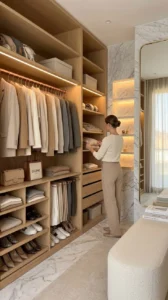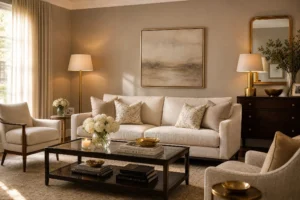
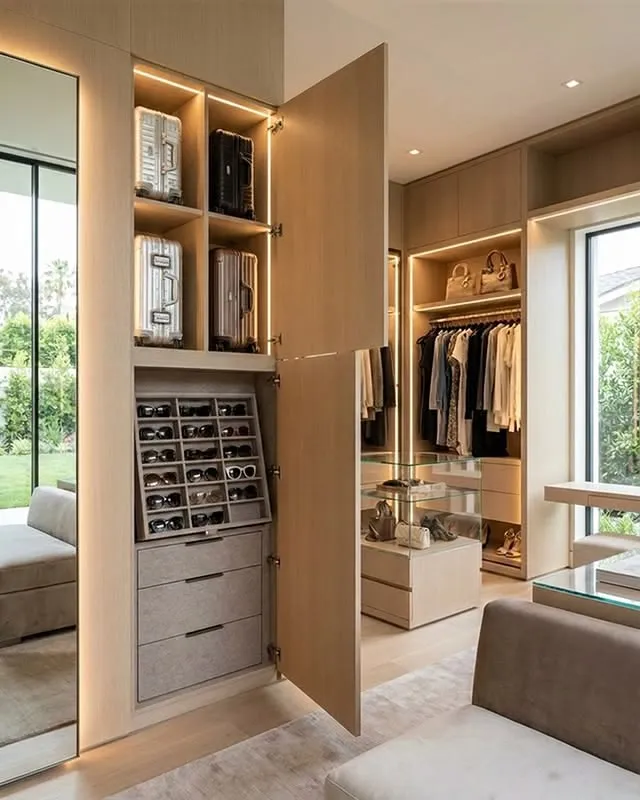
The contemporary desire for an aesthetically pristine interior frequently collides with the relentless, practical reality of daily accumulation. For the discerning woman over 30, a home is not merely a structural shelter or a place to sleep; it is an emotional sanctuary, a reflection of a curated life, and a canvas for sophisticated self-expression. It is a space where every texture, color choice, and scent is carefully chosen to create an atmosphere of peace, refinement, and safety.
However, when the volume of personal belongings outpaces a property’s inherent storage capacity, even the most beautifully designed spaces can quickly descend into visual chaos. The true challenge of modern interior architecture lies in reconciling a mature, luxurious aesthetic with the functional necessity of robust organization.
The solution to this modern domestic dilemma does not lie in filling a room with basic translucent plastic tubs, cheap wire baskets, or sterile, industrial filing cabinets that look like they belong in a corporate office. These common options only serve to highlight the presence of clutter, lowering the perceived luxury of your home and introducing an unsettling feeling of transience. Instead, elevated design champions disguised organization—a visionary philosophy where storage solutions are seamlessly woven into the architectural fabric and decorative narrative of a home.
By treating hidden storage as a primary design element rather than an afterthought, you can maintain an adult, refined environment where every item possesses an assigned, yet entirely concealed, place. This comprehensive guide explores the principles of camouflage design, practical multi-functional sourcing, and visual discipline, helping you transform your living spaces into pristine, highly functional sanctuaries.
The Philosophy of Hidden Storage as Art
To successfully implement disguised organization, one must look entirely beyond the utilitarian mindset of simply “hiding things away” out of sight. True organizational elegance is achieved through a meticulous process of curation and architectural integration, ensuring that every storage unit is indistinguishable from the surrounding high-end decor. It is about creating a home that feels light, airy, and intentional.
Seamless Architectural Integration
Storage should never look like an alien object bolted onto a wall or a temporary box shoved into a corner. In a sophisticated home, storage units mimic the room’s inherent architecture, effectively becoming part of the structural bones of the house. This is best achieved by designing custom or semi-custom built-in furniture that masterfully utilizes awkward alcoves, deep window nooks, or under-stair voids that would otherwise collect dust.
By extending built-in cabinetry completely from the floor to the absolute ceiling and painting it the exact color and finish of the adjacent walls, massive volumes of storage space effectively disappear into the room’s perimeter. The human eye reads the cabinetry doors as solid walls, creating a streamlined visual flow that dramatically expands the perception of the entire space.
The Double-Duty Paradigm
Multi-functional furniture is a fundamental cornerstone of the disguised storage movement. In modern urban environments or scaled-back floor plans, every furniture piece must earn its real estate by performing dual roles effortlessly. A standard coffee table, for instance, offers zero storage utility and frequently becomes a magnet for messy stacks of mail, remote controls, and half-empty cups.
In contrast, an elegant, custom-made structural ottoman upholstered in a rich, tactile bouclé or a timeless Belgian linen can serve as central living room seating or a sophisticated coffee table surface when topped with a heavy wooden tray. Beneath its removable or hinged lid, it reveals a spacious, lined interior designed to conceal plush winter blankets, extra pillows, electronic components, or heavy art books.
Similarly, low-slung credenzas, floating media consoles, and tailored window benches can offer deep interior pull-out drawers that mask daily utilitarian items behind beautiful, architectural facades featuring exquisite reed details or book-matched wood grains.
+-----------------------------------------------------------------------------+
|                        THE DOUBLE-DUTY DESIGN PARADIGM                      |
+-----------------------------------------------------------------------------+
| VISIBLE FORM:                                                               |
| ┌─────────────────────────────────────────────────────────────────────────┐ |
| │                       Luxurious Bouclé Living Room Ottoman              │ |
| └─────────────────────────────────────────────────────────────────────────┘ |
|                                      │                                      |
|                                      ▼ (Hinged Lid Opens)                   |
| INVISIBLE FUNCTION:                                                         |
| ┌─────────────────────────────────────────────────────────────────────────┐ |
| │ Concealed Deep Storage: Winter Throws | Audio Tech | Cozy Loungewear    │ |
| └─────────────────────────────────────────────────────────────────────────┘ |
+-----------------------------------------------------------------------------+
Crafting a Cohesive Visual Narrative
Disorganized storage systems fail in contemporary homes because they introduce too many competing colors, textures, and shapes into a single view. When you open a closet or look at an open shelving unit and see a chaotic mix of plastic boxes, cardboard delivery packages, and mismatched baskets, your brain registers visual friction, which triggers subtle, subconscious psychological stress. To establish an environment of profound tranquility, your organizational tools must adhere to a strict, sophisticated design palette.
The Power of the 60-30-10 Color Rule
When selecting organizational elements like bins, decorative boxes, and file organizers, random color choices create instant visual chaos. Professional designers rely heavily on the 60-30-10 rule to maintain absolute control over a space’s emotional resonance, particularly when aiming for a soft, feminine, yet entirely mature aesthetic that avoids looking like a juvenile playroom or a cold showroom.
       [TOTAL VISUAL PALETTE FOR STORAGE]
       ├── 60% Dominant Base: Cream, Soft Alabaster, Warm Taupe
       ├── 30% Secondary Hue: Earthy Sage Green, Soft blush, Smoked Ochre
       └── 10% Luxury Accent: Aged Brass, Champagne Gold, Soft Lavender
Applying this structured mathematical ratio to your storage solutions ensures absolute harmony across all visible surfaces. For example, a walk-in wardrobe or linen closet might utilize a dominant base (60%) of cream-colored canvas storage boxes to establish a clean, bright foundation. This is supported by secondary structural dividers and shelf risers (30%) executed in a washed sage linen fabric.
The look is completed with delicate, custom-printed labels fastened to the front of each box by subtle, aged brass rivets (10%). This disciplined approach completely prevents a space from feeling juvenile or overly pink while ensuring it remains inviting, grown-up, and deeply luxurious.
Elevating Texture and Material Diversity
Uniformity does not have to mean monotony. If every single box in your house is made of identical smooth white plastic, your home will quickly begin to feel like a sterile medical laboratory. To prevent a closed storage system from feeling flat or uninviting, it is essential to layer varied, premium materials that engage the sense of touch and add visual depth.
- Natural Woven Fibers: Utilize thick seagrass, tightly braided rattan, or split-willow baskets to introduce an organic, grounding texture to open lower shelves. These textures reference the natural world and soften the hard lines of surrounding architecture.
- Tailored Linens and Cotton Duck: Opt for structured, fabric-covered lidded boxes to hold delicate documents, heirloom photographs, or seasonal accessories. The woven fabric finish absorbs light rather than reflecting it, creating a soft, high-end look.
- Sleek Metals and Refined Ceramics: Incorporate brushed gold trays, smooth stoneware crocks, or heavy smoked glass jars to corral smaller daily objects with absolute intentionality. A beautiful ceramic jar on a counter can easily hide keys or loose coins while looking like an expensive piece of art.
Rental-Friendly Luxury: Sophisticated Solutions Without Drilling
For those residing in high-end rental properties or temporary luxury apartments where permanent structural alterations, heavy wall drilling, or custom carpentry are strictly prohibited by lease agreements, achieving hidden luxury requires creative, non-invasive camouflage strategies. You do not need to sacrifice your design standards simply because you do not own the walls.
The Magic of Floor-to-Ceiling Drapery Walls
One of the most effective, underutilized designer secrets for masking large-scale storage systems in a rental property is the strategic use of textiles. If you have an abundance of storage racks, clothing rails, or bulky filing cabinets that you cannot hide inside a closet, you can create a faux wall using fabric. By hanging a heavy, floor-to-ceiling custom curtain track system using damage-free high-tension rods or sleek, low-profile ceiling mounts, you can stretch luxurious fabric across an entire short wall of a room.
Select a premium, heavy-weight fabric like dense matte velvet, raw silk, or structured Belgian linen that perfectly matches the paint color of the surrounding walls. When the curtains are closed, they present a beautiful, theatrical architectural backdrop that adds warmth, acoustic dampening, and height to the visible room.
When slid open, they reveal massive, flexible storage capacity hidden directly behind them. This allows you to utilize inexpensive, highly efficient industrial shelving units completely out of sight, saving thousands of dollars on custom cabinetry while elevating the room’s aesthetic.
   [THE DRAPERY CAMOUFLAGE METHOD]
   WALL-TO-WALL CEILING TRACK
   ===========================================================
   │▒▒▒▒▒▒▒▒▒▒▒▒▒▒▒▒▒▒▒▒▒▒▒▒▒▒│                       │
   │▒▒▒▒▒▒▒▒▒▒▒▒▒▒▒▒▒▒▒▒▒▒▒▒▒▒│                       │
   │▒▒▒▒ LUXURIOUS ▒▒▒▒▒▒▒▒▒▒▒│ [HIDDEN STORAGE ZONE] │ <--- Industrial racks,
   │▒▒▒ VELVET DRAPERY ▒▒▒▒▒▒▒│                       │      boxes, and clutter
   │▒▒▒▒▒▒▒▒▒▒▒▒▒▒▒▒▒▒▒▒▒▒▒▒▒▒│                       │      vanish completely
   │▒▒▒▒▒▒▒▒▒▒▒▒▒▒▒▒▒▒▒▒▒▒▒▒▒▒│                       │      behind fabric.
   ===========================================================
Spatial Expansion Through Mirrors and Layered Lighting
To distract the mind and the eye from unavoidable storage constraints or small room dimensions, you must master the art of visual misdirection. Large, heavy floor-length mirrors leaning gracefully against key walls reflect natural light across the room, dramatically expanding the perceived square footage of your space. They also serve a dual purpose by elegantly covering unsightly wall imperfections, old radiator pipes, or odd architectural angles.
Complement this spatial expansion by completely bypassing the harsh, standard overhead flush-mount lighting fixtures that come standard in most rental properties. Instead, introduce plug-in brass wall sconces, architectural arc floor lamps, and small cordless LED countertop lamps.
By casting warm, localized pools of light at lower levels, you create intimacy and direct a visitor’s attention exclusively toward your beautifully curated display pieces, leaving the corners where storage elements reside in soft, forgiving shadow.
Tailored Solutions for Contemporary Lifestyles
Modern life demands that our homes adapt to a variety of complex, hybrid functions. We are no longer just living in our homes; we are working, exercising, creating, and practicing wellness within the same square footage. Disguised organization must rise to meet the specific needs of remote work, personal health routines, and dedicated creative hobbies without turning your beautiful sanctuary into a cluttered corporate or industrial zone.
The Invisible Hybrid Home Office
The widespread rise of hybrid work models has forced office clutter—such as printers, reams of white paper, tangled charging cables, and plastic binders—into the sacred sanctuary of the living room or bedroom. To maintain a clear psychological boundary between your professional life and your personal relaxation hours, traditional corporate office desks must be firmly rejected.
Instead, invest in a sleek, mid-century console table or a floating sideboard that features a hidden pull-out desktop extension and integrated internal cable management channels. Within this unit, a shallow drawer can be lined with felt to hold your laptop and tablet at night.
When the workday concludes at 5:00 PM, all devices, charging cords, and notebooks are slid smoothly into the deep drawers, the desk surface is slid back into the console, and the piece returns to its primary role as an elegant decorative surface topped with fresh flowers, a scented candle, and framed art. The work day vanishes completely from sight and mind.
Apothecary Style Wellness and Craft Concealment
Wellness routines, vitamin regimens, and creative hobbies often generate an abundance of small, highly distracting plastic bottles, tools, and supplies that look incredibly messy when left on open counters or bathroom vanities. Rather than exposing these items, look for unique, historical furniture pieces like apothecary-style dressers, antique tool chests, or vintage European sideboards featuring deep drawers and opaque wooden doors.
When closed, these cabinets present an artistic, historical statement piece to the room that sparks conversation; when opened, their interiors reveal a meticulously organized grid of internal pull-out drawers, labels, and small organizers that keep vitamins, fitness accessories, or crafting tools pristine, dust-free, and instantly accessible.
The Art of the Seasonal Rotation
A truly sophisticated home is never static; it is dynamic and living, responding effortlessly to the changing rhythms of the seasons. Implementing a strict seasonal rotation system is a vital, non-negotiable practice for keeping smaller spaces feeling continuously fresh, intentional, and entirely uncluttered throughout the calendar year.
Textile and Decor Swapping
As the weather transitions outside, so too should the visual weight and warmth of your interior design. During the cooler autumn and winter months, your home can embrace cozy, grounding textures: heavy plush velvet throws, thick wool area rugs, and dark, dramatic faux-fur accent cushions. However, leaving these heavy items out during the height of summer makes a home feel oppressive and crowded.
When spring arrives, these winter items should be systematically laundered, folded flat, and placed into vacuum-seal storage bags or structured, fabric-covered under-bed storage containers mounted on smooth castors. In their place, open up your storage and introduce lightweight linen throws, airy silk cushions, and brighter ceramic or glass accents.
This biannual rotation keeps your living spaces vibrant and reflective of the natural calendar, ensuring you never accumulate more seasonal decor than your hidden storage spaces can effortlessly hold at one time.
+-----------------------------------------------------------------------------+
|                          SEASONAL ROTATION FRAMEWORK                        |
+-----------------------------------------------------------------------------+
| COOL MONTHS ARCHETYPE:                                                      |
| • Textiles: Heavy velvet throws, dense wool rugs, faux-fur cushions.         |
| • Tonal Depth: Darker, richer tones (espresso, charcoal, deep burgundy).   |
|                                                                             |
| WARM MONTHS ARCHETYPE:                                                      |
| • Textiles: Lightweight Belgian linens, airy silk covers, flat-weave cotton.|
| • Tonal Depth: Crisp creams, soft alabasters, light washed ochre & sage.    |
|                                                                             |
| SYSTEM: Non-active textiles are laundered, vacuum-sealed, and slid beneath   |
| the bed base inside matching fabric-covered rolling storage units.          |
+-----------------------------------------------------------------------------+
Evaluating Storage Paradigms: Traditional vs. Disguised
To truly appreciate the transformative power of this design approach, we must analyze how traditional utilitarian storage choices compare directly against elegant, disguised alternatives across key household areas:
| Storage Archetype | Traditional Application | Disguised / Elegant Evolution | Architectural & Aesthetic Impact |
| Utility Bins | Translucent plastic tubs stacked openly in bedroom corners, under desks, or on top of closets. | Fabric-covered linen boxes matching the room’s 60-30-10 color palette exactly. | Traditional: Projects an unorganized, temporary, and chaotic feel. Disguised: Projects a custom, high-end built-in luxury aesthetic. |
| Shelving Units | Standard open bookcases crowded with books, loose papers, electronics, and charging cords. | Curated display cases featuring clear glass upper doors and completely opaque lower cabinets or deep drawers. | Traditional: Open shelves easily become visual noise and dust magnets. Disguised: Opaque lower doors completely mask necessary daily clutter from view. |
| Living Seating | Standard armchairs, structural accent benches, or basic wooden stools with open bases. | Upholstered, lidded storage ottomans or tailored benches serving dual purposes seamlessly. | Traditional: Offers zero organizational utility, wasting valuable floor space. Disguised: Softens the room’s geometry while providing massive hidden storage volume. |
| Wardrobes | Freestanding industrial metal garment racks or bulky, unintegrated freestanding armoires. | Built-in wardrobes featuring custom paneling, integrated warm lighting, or floor-to-ceiling mirrored faces. | Traditional: Freestanding units fragment the room’s geometry and cut light. Disguised: Seamlessly merges into the structural walls of the room. |
| Media Areas | Open black TV stands with visible gaming consoles, black wires, and routers exposed. | Floating credenzas with infrared-permeable slatted wood doors that allow remote control signals to pass. | Traditional: Creates a messy tech-heavy focus that ruins a peaceful room. Disguised: Tech completely vanishes, leaving only a clean, beautiful sculptural surface. |
Sourcing Sophistication Responsibly and Affordably
Achieving a high-end, disguised organizational system does not require you to possess an unlimited financial budget or spend tens of thousands of dollars at luxury design showrooms. True design sophistication lies in resourcefulness, intentionality, and a willingness to curate your home slowly over time rather than buying everything all at once from a single big-box retail catalog.
The most character-rich, high-quality furniture pieces—such as solid wood sideboards, vintage trunks, and genuine marble trays—can often be found for a fraction of their original retail cost by diving into second-hand sourcing platforms. Dedicate time to exploring local estate sales, high-end thrift stores in historic neighborhoods, flea markets, and online communities like Facebook Marketplace or local “Buy Nothing” groups.
Look past the surface finish of an old cabinet; evaluate its structural bones, its dimensions, and its storage capacity. A solid wood oak sideboard from the 1970s might look uninspiring in a poorly lit thrift store photograph, but when brought into your home, painted the exact matte cream color of your living room walls, and fitted with brand-new solid brass hardware, it transforms instantly into a custom architectural masterpiece that hides hundreds of books and household necessities with effortless elegance.
Conclusion: Crafting Your Orderly Sanctuary
Disguised organization is far more than a simple collection of practical tidying tips or clever household hacks; it is a holistic philosophy of lifestyle design that deeply values visual peace, structural integrity, and emotional comfort above all else. It is an acknowledgment that our physical surroundings directly impact our mental well-being, and that a chaotic, cluttered home can create a chaotic, stressed mind.
By moving firmly beyond basic plastic bins and embracing the sophisticated principles of multi-functional furniture design, disciplined color harmony, and creative architectural concealment, you can successfully banish clutter from your environment forever.
This thoughtful, sophisticated approach to storage ensures that your home remains a perfectly organized, highly functional workspace by day, and a breathtakingly elegant, soul-soothing, and deeply welcoming sanctuary by night—a lasting legacy of a beautifully curated, intentional life.
Frequently Asked Questions (FAQs)
What is the primary psychological benefit of disguised organization over standard storage systems?
The primary benefit is the total elimination of visual friction and cognitive overload. Standard storage systems, such as open wire shelving or transparent plastic bins, keep the varied shapes, loud commercial labels, and cluttered colors of your possessions visible to the eye.
Even if the items are technically put away, your brain still must process that visual data every time you walk into the room. Disguised organization completely hides that visual noise behind a beautiful, unified design aesthetic, allowing your brain to rest and maintaining a deep feeling of true architectural tranquility.
How can I start implementing disguised organization if I am on a strict budget?
Elegance is rooted in intentionality, not extreme expense. Start by identifying your largest sources of visual clutter—such as loose paperwork or charging cords—and group them into a single area. Then, hunt for second-hand solid wood furniture pieces like old dressers or trunks on digital marketplaces or at estate sales.
By painting these pieces to match your walls exactly or refinishing them to highlight their natural raw wood grain, you gain massive amounts of hidden storage with immense historical character for a fraction of what a new piece of furniture would cost.
What does the concept of “hidden storage as design” actually mean in practice?
In daily practice, it means that every single storage element you purchase for your home must also double as a high-end decorative object or a highly functional piece of furniture in its own right.
For example, instead of buying a plastic bucket to hold dog toys or children’s books in the living room, you select a beautiful hand-thrown ceramic vessel with a lid or a vintage leather trunk. The storage item itself becomes a point of visual interest, texture, and artistic beauty in the room, elevating the design while hiding the clutter.
How can I create a hidden closet or pantry in a rental apartment without damaging the walls or ceilings?
The most elegant, non-invasive method is to install a heavy, floor-to-ceiling curtain tracking system using heavy-duty spring-loaded tension rods that press securely against opposing walls without screws, or high-quality removable adhesive wall hooks.
By selecting a premium, heavy fabric like dense velvet or structural linen that matches your room’s paint color perfectly, you can block off an entire two-foot deep section of a long room. Behind this soft textile wall, you can stack large boxes and freestanding utility shelving racks without leaving a single mark on the landlord’s property.
How do I ensure my hidden storage areas don’t just become messy, chaotic junk drawers on the inside?
The secret to lasting organization is to maintain the exact same design discipline on the inside of your closed cabinets as you do on the visible outside. Open the doors and apply the same rules: use internal drawer dividers, match all internal storage boxes to a single uniform color scheme, and use clear, elegant labeling.
When the interior of a hidden cabinet looks beautiful, clean, and highly organized, you will naturally feel psychologically driven to maintain that order during your busy daily routines.